


How Premiumization Is Transforming the Way the World Drinks Whiskey
Premium Whiskey Trends Are Redefining the Global Spirits Industry
Premium whiskey trends are reshaping what consumers expect from their glass moving the conversation well beyond basic affordability and into the realm of craftsmanship, heritage, and experiential luxury. Across the globe, a new generation of discerning drinkers is willing to pay more for bottles that tell a story, carry a distinctive flavor profile, or come from a distillery with a compelling legacy. This cultural shift toward quality over quantity is not just changing consumer behavior; it is fundamentally restructuring how brands invest, innovate, and compete in one of the world's most storied beverage categories.
The financial scale of this transformation is captured clearly in the global Whiskey Market data. The global whiskey market was valued at USD 80.5 billion in 2021 and is expected to grow at a CAGR of 7.3% during the forecast period, reaching USD 146.15 billion by 2030. Behind this impressive trajectory lies a powerful convergence of rising disposable incomes, expanding nightlife culture, and an increasingly adventurous consumer palate that is hungry for new and elevated drinking experiences.
At the heart of this growth is the premiumization phenomenon a broad consumer shift toward higher-quality, higher-priced products. Changing consumer preferences toward premium products have led consumers to explore high-quality and unique alcoholic beverages, including whiskey. The inclusion of many natural ingredients in alcoholic beverages enhances the product's functionality, due to which premium whiskey is gaining more popularity and is projected to contribute positively to market growth. This trend is not confined to established whiskey-drinking nations. Emerging markets across Asia Pacific and Latin America are displaying the same appetite for quality-forward expressions, broadening the premium segment's global footprint at an accelerating pace.
The numbers from North America alone illustrate just how dramatically consumer tastes are tilting upward. According to the Distilled Spirits Council, in 2021, the revenue of the high-end premium segment rose by 37% and the super-premium segment by 136%. These figures are not a one-time spike; they reflect a structural change in how consumers relate to whiskey treating it less as a routine purchase and more as an occasion-worthy, collectible, or even investment-grade product. Limited-edition releases, age-statement expressions, and single-malt offerings are commanding prices that would have seemed implausible a decade ago.
𝐄𝐱𝐩𝐥𝐨𝐫𝐞 𝐓𝐡𝐞 𝐂𝐨𝐦𝐩𝐥𝐞𝐭𝐞 𝐂𝐨𝐦𝐩𝐫𝐞𝐡𝐞𝐧𝐬𝐢𝐯𝐞 𝐑𝐞𝐩𝐨𝐫𝐭 𝐇𝐞𝐫𝐞:
https://www.polarismarketresearch.com/industry-analysis/whiskey-market
Scotch whiskey remains the prestige anchor of the category. In 2021, the Scotch whiskey segment accounted for a substantial share owing to the high popularity of Scottish whiskey worldwide due to its taste, aroma, and texture. The intricacy and distinct flavor of such whiskey is well appreciated by millennials globally. Meanwhile, American whiskey has carved out a formidable second position, propelled by bourbon's global popularity surge and the growing export of American craft spirits to Asian and African markets. Japanese whiskey continues its meteoric rise among connoisseurs, celebrated for its precision, delicacy, and collectability.
Innovation in product development is another key engine of growth. Producers are experimenting with non-traditional grain bases, unique cask finishes from wine barrels to rum casks and novel flavor profiles that appeal to consumers who came of age during the craft cocktail era. The growing number of innovations in whiskey products, including various flavors and product quality, coupled with the easy affordability of the middle-class population, are major factors anticipated to drive global market demand. Flavored whiskeys, in particular, are attracting younger demographics who might not have considered traditional expressions before.
Sustainability and responsible packaging are also emerging as meaningful differentiators. In July 2021, Diageo announced that Johnnie Walker whiskey would be available in paper bottles to address environmental issues related to other types of packaging, opting to sell products in plastic-free, wood-pulp material packaging. Consumers today expect the brands they admire to reflect their values and premium whiskey producers are responding with eco-conscious initiatives that strengthen brand loyalty without compromising product prestige.
Geographically, while North America leads, Asia Pacific is the region to watch. The Asia Pacific region is emerging as the fastest-growing region because of increasing consumer spending power and the highly growing adoption of western culture among the young generation, especially in developing nations such as India, China, and Indonesia. With major industry players like Pernod Ricard, Diageo, Beam Suntory, and Brown-Forman all actively expanding their presence in these markets, the global premium whiskey story is only getting richer with every passing year.
More Trending Latest Reports By Polaris Market Research:
Catégories
Lire la suite
Polaris Market Research has introduced the latest market research report titled 2K Protective Coatings Market Share, Size, Trends, Industry Analysis Report, By Resin (Polyurethane, Acrylic, Polyester, Epoxy, Alkyd); By End-Use; By Region; Segment Forecast, 2021 - 2028 that highlights the major revenue stream for the forecast period. The report contains clear, reliable, and thorough 2K...

Introduction aux casinos en ligneLes casinos en ligne attirent de plus en plus de joueurs en France grâce à leur accessibilité et la variété des jeux proposés. Jouer depuis chez soi est pratique et sécurisé. Pour casino en ligne fiable profiter pleinement de l’expérience, il est essentiel de choisir un casino en ligne fiable et...

What if one decision today could transform your brand visibility overnight? In a world where attention spans are shrinking and competition is exploding, settling for average marketing materials is no longer an option. Businesses that hesitate are forgotten. Those that act boldly dominate. This is exactly why printing Singapore services have become the secret weapon for brands that refuse to...

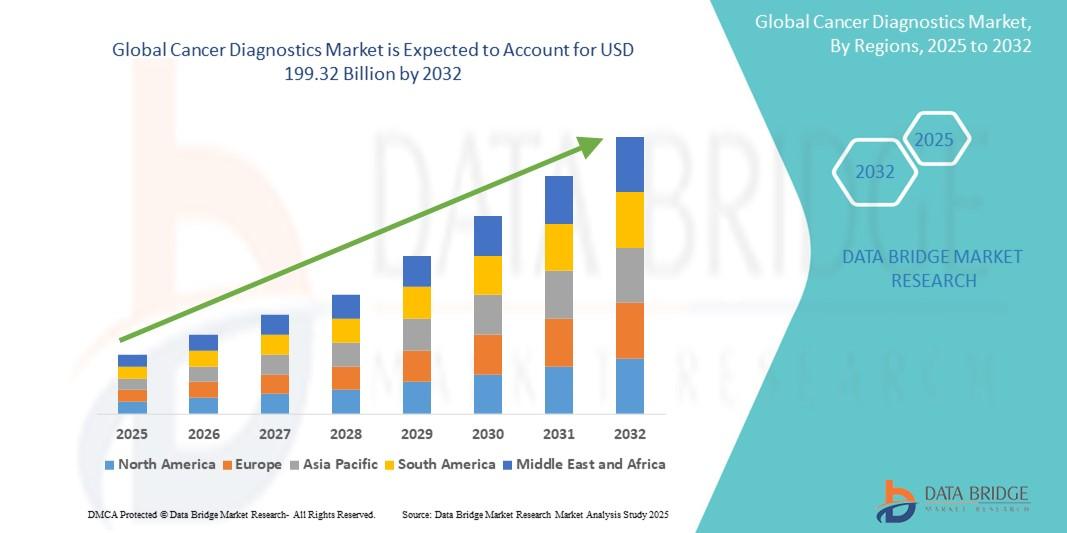
"Executive Summary Cancer Diagnostics Market: Share, Size & Strategic Insights The global cancer diagnostics market size was valued at USD 110.11 Billion in 2024 and is expected to reach USD 199.32 Billion by 2032, at a CAGR of 7.70% during the forecast period The comprehensive Cancer Diagnostics Market report is an insightful and actionable...
Students who dream of pursuing higher education in foreign countries often look for professional guidance to make the admission process easier and more successful. This is where HELLO Institute plays an important role by offering complete support for students planning to study abroad in Dehradun. As one of the trusted study abroad consultants in Dehradun, the institute provides a wide...
