


STOK Strong Beer India: What Sets It Apart?
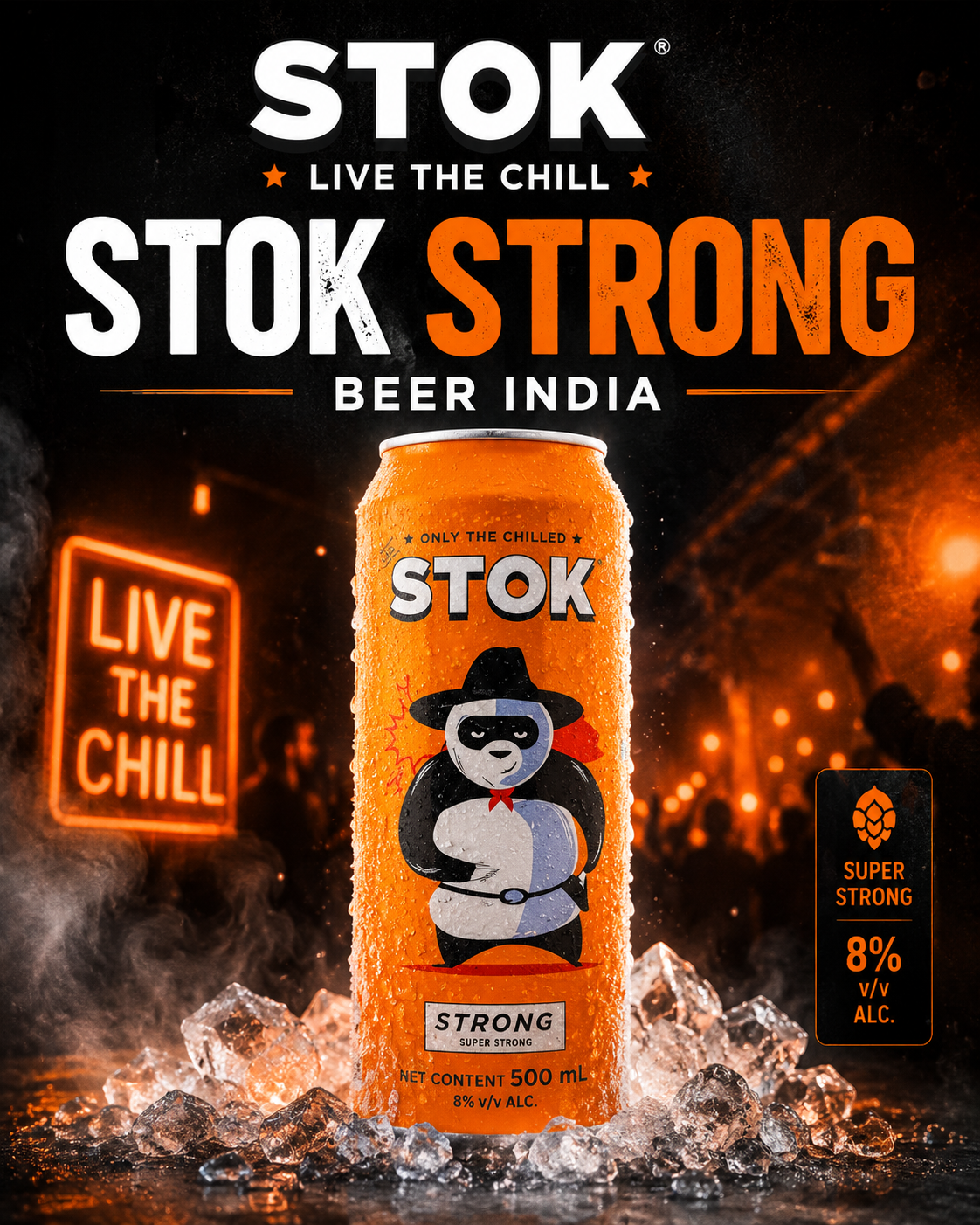
Strong beer dominates Indian drinking culture, accounting for over 85% of all beer consumed in the country. Most of that market is held by mass-market brands that prioritise volume over flavour. STOK strong beer India takes a different approach American-style brewing, 8% ABV, and a clear focus on taste alongside strength. In this post, you will learn what defines this beer's profile, how American-style brewing changes the drinking experience, and why craft strong beer is gaining ground among Indian consumers.
What Makes a Strong Beer Different from Regular Beer?
A strong beer has an ABV above 5%, while most mild or regular beers sit between 3.5% and 5%. The higher alcohol content changes both the fermentation process and the final flavour. Strong beers carry more body, more intensity, and a longer finish.
How ABV Affects Flavour
Higher ABV does not simply mean more alcohol. It also means more fermentable sugars, longer conditioning periods, and a fuller mouthfeel. A well-brewed strong beer balances its alcohol warmth with malt character and hop bitterness. A poorly brewed one tastes harsh and one-dimensional.
Why Most Indian Strong Beers Taste Similar
The mass-market strong beer segment in India is competitive on price, not on flavour. Most brands use adjunct-heavy recipes that reduce production costs. The result is a category where beers taste nearly interchangeable high alcohol, low complexity.
What Separates Craft Strong Beer

Craft brewing applies closer attention to ingredient quality and process control. Malt selection, yeast strains, and fermentation temperature all affect the final taste. This is where craft strong beer creates a distinct experience that mass-market brewing does not replicate.
What Is the ABV of Strong Beer in India, and Why Does 8% Matter?
Most strong beers in India sit between 6% and 8% ABV. At 8% ABV, a beer reaches the upper end of what Indian excise regulations typically classify as strong beer. This level of alcohol requires more precise brewing to avoid off-flavours.
The 8% ABV Challenge in Brewing
Brewing at 8% ABV is technically demanding. Yeast must remain active longer, fermentation produces more heat, and the risk of producing harsh alcohol notes increases. Brewers who manage this well produce a smooth, full-bodied beer. Those who don't produce something that tastes raw or medicinal.
American-Style Brewing at High ABV
The American-style brewing approach uses specific hop varieties and malt profiles to keep a high-ABV beer approachable. Light carbonation, clean fermentation, and controlled bitterness make the alcohol feel integrated rather than aggressive. You can explore how this approach applies to India's craft strong beer segment to understand the distinction better.
Consumer Preference for High-ABV Beer in India
Indian consumers consistently prefer strong beer for value — more alcohol per rupee spent. But urban millennials are now layering a second preference on top of that: they want strong beer that also tastes good. This shift is driving growth in premium and craft strong beer variants.
How Does American-Style Strong Beer Differ from Indian Strong Beer?
American-style strong beer uses a specific brewing convention: clean malt base, moderate to high carbonation, restrained bitterness, and a dry finish. Indian mass-market strong beer typically uses a heavier adjunct base rice or maize to reduce cost and hit high ABV targets quickly.
Malt and Adjunct Use
American-style brewing prioritises barley malt as the primary fermentable. This produces a cleaner, crisper flavour. Indian mass-market brands often substitute 20–40% of their grain bill with cheaper adjuncts. This lowers cost but also reduces flavour depth significantly.
Bitterness Profile
IBU (International Bitterness Units) measure how bitter a beer is. American-style strong beers typically use hops to add aroma and light bitterness without overwhelming the palate. Many Indian strong beers have minimal hop presence — the alcohol dominates instead.
The Finish
The finish of a beer is what you taste after you swallow. A well-crafted American-style strong beer finishes clean and dry. Many Indian mass-market strong beers leave a sweet, heavy aftertaste from residual sugars. The difference is immediately noticeable side by side.
Why Is Craft Strong Beer Gaining Ground Among Indian Drinkers?
India's beer market was valued at INR 444.6 billion in 2024 and is projected to reach INR 802.5 billion by 2033, growing at a CAGR of 6.72% (Source: IMARC Group, 2025). A significant portion of this growth is coming from the premium and craft segment, driven by urban consumers under 30.
The Role of Urbanisation
Over 50% of India's population was below 30 years of age as of 2024 (Source: Economic Survey, 2024). This demographic drinks beer socially, influences purchase decisions through social media, and actively seeks products that feel different from what their parents' generation drank. Strong beer with craft credentials fits exactly that demand.
Premiumisation in the Strong Beer Segment
Premiumisation does not mean expensive. It means better. Indian drinkers are moving toward beers that offer a more considered drinking experience without necessarily paying a premium price. Craft strong beers occupy this space they deliver on both strength and flavour.
What Drinkers Actually Notice
Experienced beer drinkers pay attention to three things: aroma on the pour, balance during drinking, and the finish. Craft strong beers score consistently better on all three compared to mass-market alternatives, simply because more craft goes into the process.
Conclusion
Strong beer India is not a single-note category anymore. The shift toward craft and American-style brewing has introduced a new standard where 8% ABV comes with flavour depth, not just alcohol strength. STOK strong beer India sits within this shift, offering a brewing approach that most mass-market brands still do not match. As Indian consumers grow more discerning, the question worth asking is: will the rest of the strong beer market follow the craft segment's lead, or continue competing only on price?
Categorias
Leia Mais
QQ88 is a modern and highly engaging online entertainment platform that brings together a wide variety of fun and interactive gaming experiences in one place. Designed to be user-friendly and accessible, it offers something for every type of player, whether you enjoy spinning slots, playing card games, or exploring sports betting opportunities. What...

Interactive technology is transforming how businesses, educational institutions, and public spaces engage with users. Touch‑enabled interfaces have increasingly replaced traditional input devices, offering a more intuitive and immersive experience. As digital interaction becomes a cornerstone of modern environments, interactive screens and touch systems are being integrated across diverse...
Pokémon TCG enthusiasts can anticipate a nostalgic twist with the upcoming limited-time booster release in Pokémon TCG Pocket. While new packs have become a regular feature, this edition offers a retrospective journey through past expansions. Dubbed the Deluxe Pack: ex, this special set is designed to help collectors fill in gaps from earlier releases, featuring an array of...

Starting fresh with your bathroom might be what finally makes the house feel like home. Since moisture hangs heavy here daily, wear and tear show faster than in most rooms. Though looks matter, getting things to run smoothly matters more. Every time you face dim lights or wobbly cabinets, irritation builds slowly. Once changes begin, even minor fixes shift how the room feels overall. It stops...

A new growth forecast report titled U.S. Earplugs Market Size, Share, Trends, Industry Analysis Report By Material (Foam, Silicone, Wax, Others), By Technology, By Type, By Noise Reduction Rating, By Application – Market Forecast, 2025–2034 introduced by Polaris Market Research represents conclusive data on the overall market. It majorly targets to provide a detailed...