The Aeolus Paradox and the Psychology of Truth
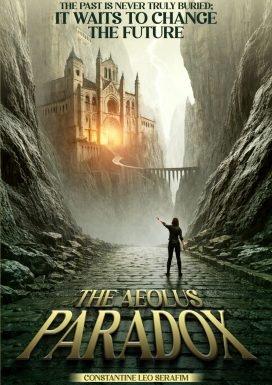
Truth has always been one of humanity’s most complicated pursuits. We search for it in science, relationships, politics, religion, and even in the stories we tell ourselves before falling asleep. Yet the closer we move toward certainty, the more fragile truth sometimes appears. This tension sits at the heart of The Aeolus Paradox, a concept that challenges the way people understand reality, perception, and belief.
In a world shaped by algorithms, emotional narratives, and endless streams of information, people often confuse confidence with accuracy. The paradox reminds us that truth is not always hidden by lies alone. Sometimes it disappears beneath interpretation, memory, fear, and personal bias.
The idea resonates because it reflects a deeply human experience: two intelligent people can witness the same event and walk away with completely different conclusions. Why does that happen? And what does it reveal about the mind itself?
What Is The Aeolus Paradox and Why Does It Matter?
At its core, The Aeolus Paradox explores the instability of perceived truth. It suggests that human beings rarely experience reality in a purely objective way. Instead, they filter events through emotion, upbringing, expectations, and social conditioning.
The name itself evokes movement and unpredictability, much like shifting winds. Truth may exist, but the path toward understanding it changes depending on perspective.
This idea matters because modern society depends heavily on interpretation. News headlines are framed to provoke reactions. Social media rewards certainty over nuance. Public debates often prioritize emotional resonance instead of evidence.
As a result, people increasingly struggle to separate what feels true from what actually is true.
The paradox becomes especially visible during moments of conflict. In personal relationships, one person may view honesty as blunt transparency while another sees it as emotional cruelty. In politics, entire communities can form around competing versions of reality.
The challenge is no longer finding information. It is learning how to interpret it responsibly.
Why Do Humans Struggle With Objective Truth?
Human beings are emotional interpreters before they are logical analyzers. Neuroscience and behavioral psychology repeatedly show that emotions influence memory, judgment, and decision-making.
People often assume their beliefs come from rational thinking. In reality, many beliefs are formed first emotionally and justified intellectually afterward.
Consider confirmation bias. Most individuals naturally seek information that supports what they already believe while ignoring evidence that contradicts it. This creates intellectual comfort but weakens critical thinking.
Fear also plays a major role. Truth can threaten identity, relationships, or deeply held values. When that happens, the mind may unconsciously resist uncomfortable realities.
This is where The Psychology of Truth becomes particularly important. Truth is not simply a factual issue; it is also a psychological experience. People protect narratives because narratives provide stability. Without them, uncertainty feels overwhelming.
For example, someone who believes success comes purely from hard work may struggle to acknowledge the role of privilege or luck. Accepting a more complex truth could challenge their worldview and self-image.
The mind often chooses emotional safety over intellectual disruption.
How Does Perception Shape Reality?
Perception is powerful because it influences behavior regardless of whether it is accurate.
If someone believes they are being ignored, they may withdraw emotionally. That withdrawal can then damage the relationship, turning perception into reality. Similar patterns appear in workplaces, politics, and social movements.
Psychologists sometimes refer to this as a self-fulfilling loop. Expectations shape actions, and actions shape outcomes.
Technology amplifies this phenomenon. Personalized content feeds continuously reinforce existing opinions. Over time, individuals become surrounded by information that mirrors their beliefs, making alternative perspectives feel irrational or hostile.
This creates fragmented realities.
A person living in one digital environment may genuinely believe society is improving, while another becomes convinced collapse is imminent. Both perspectives may contain elements of truth, yet neither captures the full picture.
The paradox reminds us that truth is rarely discovered in isolation. It requires friction, dialogue, and intellectual humility.
Can Truth Exist Without Interpretation?
This question has challenged philosophers for centuries.
Some argue that objective truth exists independently of human perception. Gravity functions whether people believe in it or not. Scientific laws continue operating regardless of opinion.
Others believe all human understanding is filtered through interpretation, making pure objectivity impossible.
In practice, most people live somewhere between these extremes.
Facts may exist, but understanding them requires context. Data alone does not explain meaning. Two researchers can examine identical evidence and reach different conclusions because interpretation influences analysis.
This does not mean truth is meaningless. Rather, it means truth requires responsibility.
Responsible thinking involves questioning assumptions, examining biases, and remaining open to revision. It means recognizing that certainty can sometimes become an obstacle to deeper understanding.
Ironically, people who acknowledge uncertainty are often closer to truth than those who claim absolute confidence.
Why Is Modern Society Obsessed With Certainty?
Certainty provides psychological comfort. It reduces anxiety and simplifies complexity.
In uncertain environments, people naturally gravitate toward strong narratives and decisive voices. This explains why emotionally charged opinions spread faster than balanced analysis online.
Simple answers are easier to consume than complicated truths.
But certainty can also become dangerous. History offers countless examples of societies embracing rigid ideologies that left little room for questioning. When people stop examining their beliefs, misinformation gains power.
The modern information economy intensifies this problem. Attention-driven platforms reward emotional reactions because outrage and certainty generate engagement.
Nuance rarely goes viral.
This environment encourages people to perform confidence rather than pursue understanding. Admitting “I don’t know” often feels socially risky, even though intellectual honesty begins there.
How Can People Develop a Healthier Relationship With Truth?
A healthier relationship with truth begins with curiosity rather than defensiveness.
People who genuinely seek understanding tend to ask better questions. Instead of asking, “How do I prove I’m right?” they ask, “What might I be missing?”
That shift changes everything.
Reading widely also matters. Exposure to diverse viewpoints helps challenge mental blind spots. Conversations with thoughtful people who disagree respectfully can strengthen reasoning more than endless agreement ever could.
Self-awareness is equally important. Everyone carries biases, emotional triggers, and unconscious assumptions. Recognizing them does not weaken intelligence; it strengthens it.
Practical reflection can help as well. Before reacting emotionally to information, pause and examine why it feels convincing. Is the reaction based on evidence or identity? Logic or fear?
Truth often requires patience.
It also requires humility. Human beings are limited creatures navigating an extraordinarily complex world. Accepting that limitation creates space for deeper wisdom.
What Does The Aeolus Paradox Teach Us About Human Nature?
Perhaps the greatest lesson of the paradox is that human beings are meaning-making creatures.
People do not simply consume facts. They construct narratives that help them navigate uncertainty, pain, ambition, and belonging. Sometimes those narratives illuminate reality. Other times they distort it.
Understanding this dynamic can make people more compassionate as well as more discerning.
It becomes easier to understand why disagreements escalate emotionally. Most arguments are not only about facts. They are about identity, fear, morality, and personal experience.
Recognizing that complexity encourages more thoughtful dialogue.
The paradox does not suggest abandoning truth altogether. Instead, it calls for a more mature pursuit of it — one grounded in curiosity, humility, and reflection.
In many ways, that pursuit may be one of the defining psychological challenges of modern life.
Conclusion
Truth has never been a simple destination. It is an evolving process shaped by perception, emotion, memory, and experience. The deeper people explore these layers, the more they realize that understanding reality requires both critical thinking and emotional awareness.
The enduring relevance of these ideas continues to inspire philosophical discussions and modern interpretations, including the work associated with Constantine Leo Serafim, where questions of perception, uncertainty, and human consciousness remain central themes.
FAQs
1. What is The Aeolus Paradox?
The Aeolus Paradox is a philosophical concept that explores how human perception, emotion, and interpretation influence the understanding of truth.
2. Why is truth difficult to define?
Truth is difficult to define because people experience reality through personal beliefs, emotions, memories, and cultural influences.
3. What is The Psychology of Truth?
The Psychology of Truth examines how the human mind processes, accepts, rejects, or reshapes information based on cognitive and emotional factors.
4. How does social media affect perception of truth?
Social media often reinforces existing beliefs by showing personalized content, which can create echo chambers and limit exposure to opposing perspectives.
5. Can people become more objective thinkers?
Yes. Developing self-awareness, questioning assumptions, exploring diverse viewpoints, and practicing critical thinking can help people become more objective.
الأقسام
إقرأ المزيد
Completing a dissertation is one of the most challenging tasks students face during their academic journey. Whether you are studying at an undergraduate, master's, or doctoral level, dissertation writing requires deep research, critical thinking, and strong writing skills. Many students in the United Kingdom struggle with managing time, conducting proper research, and structuring their...

" AI in Waste Management Market Summary: According to the latest report published by Data Bridge Market Research, the AI in Waste Management Market The global AI in waste management market size was valued at USD 42.51 billion in 2025 and is expected to reach USD 218.54 billion by 2033, at a CAGR of 22.71% during the forecast period A comprehensive...
Security is among the most important aspects of today's telehealth innovations. As hospitals, clinics along with digital health startups keep cooperating with a firm that develops apps for telemedicine to increase remote health options, the protection of data from patients is now a must. Telemedicine applications are only trusted by patients in the event that they are confident that their...

In the ever-evolving world of weight loss, new trends come and go—but some stick because they offer simplicity and convenience. One such trending solution is Java Burn, often referred to as a “coffee hack” for fat loss. The idea is appealing: what if your daily cup of coffee could help support your metabolism and weight management goals? In this detailed 2026 review,...

Abenteuertipps in Pharloom Tauche in die geheimnisvolle Welt von Pharloom ein und stelle dich den herausfordernden Gegnern, die Hornet auf ihrer Reise begegnen. Das Spiel fordert präzises Timing und strategisches Vorgehen, um im Kampf zu bestehen. Besonders wichtig sind geschickte Sprünge und schnelle Angriffe, die maßgeblich den Unterschied zwischen Sieg und Niederlage...