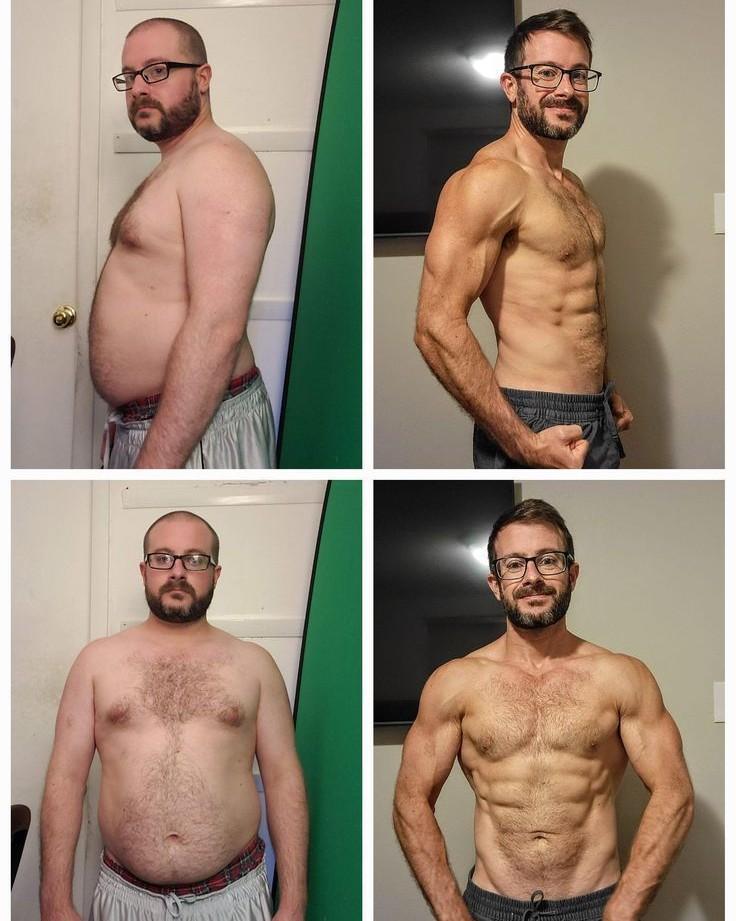
Weight loss is one of the most discussed health goals around the world today. Many people want to reduce extra body fat, improve their appearance, boost energy levels, and support overall wellness. However, losing weight is not always easy because modern lifestyles often include unhealthy eating habits, stress, lack of sleep, and limited physical activity. These factors can slowly increase body weight and make it difficult to maintain a healthy body shape.
The good news is that healthy habits and consistent lifestyle changes can make a big difference. Weight loss does not require extreme dieting or intense exercise routines that are difficult to follow. Instead, gradual improvements in nutrition, activity levels, hydration, and daily routines can support long-term success. The key is to focus on balance and sustainability rather than quick results.
Many people begin their journey because they feel tired, uncomfortable, or unhappy with their current fitness level. Others may want to improve mobility, confidence, heart health, or energy. Whatever the reason may be, a healthy approach is always important. Rapid methods often fail because they are difficult to maintain and may lead to frustration. Slow and steady progress usually provides better and longer-lasting outcomes.
Understanding the Basics of Body Weight
Body weight is influenced by several factors including food intake, metabolism, genetics, hormones, sleep patterns, stress, and physical activity. When the body consumes more calories than it burns, extra energy is stored as fat. Over time, this can lead to weight gain.
On the other hand, when the body burns more calories than it consumes, stored fat begins to decrease. This process supports natural fat reduction and helps improve body composition. However, healthy living is not only about counting calories. Food quality, meal timing, emotional eating habits, and daily movement also play important roles.
Many people think skipping meals is the best solution, but this approach may reduce energy levels and increase cravings later in the day. Balanced nutrition and portion control are usually more effective than starving the body. Eating healthy foods in the right amounts can support metabolism and reduce unnecessary hunger.
Common Causes of Weight Gain
There are many reasons why people gain excess body fat. Understanding these causes can help create better habits and avoid future problems.
Poor Eating Habits
Fast food, sugary drinks, processed snacks, and large portion sizes are major contributors to weight gain. Foods high in sugar and unhealthy fats may increase calorie intake without providing enough nutrition.
Lack of Physical Activity
Modern technology has reduced daily movement for many people. Long office hours, screen time, and sitting for extended periods can slow calorie burning and contribute to fat accumulation.
Stress and Emotional Eating
Stress can influence eating behavior. Many individuals eat unhealthy comfort foods during emotional situations, anxiety, or boredom. This habit can increase calorie consumption and affect healthy routines.
Inadequate Sleep
Poor sleep may affect hunger hormones and increase cravings for unhealthy foods. Lack of rest can also reduce energy levels, making exercise more difficult.
Hormonal Changes
Hormonal imbalance can affect metabolism and appetite. Age-related changes may also make it harder for some individuals to maintain a healthy body weight.
Healthy Eating Habits for Better Results
A balanced diet is one of the most important parts of a successful Weight Loss journey. Healthy food choices can improve energy, reduce cravings, and support fat burning naturally.
Eat More Whole Foods
Whole foods such as fruits, vegetables, whole grains, nuts, seeds, and lean proteins provide important nutrients and help the body function properly. These foods are often lower in unhealthy fats and added sugars.
Increase Protein Intake
Protein may help reduce hunger and support muscle maintenance. Good sources include eggs, fish, beans, lentils, yogurt, and lean meat. Including protein in meals can help people feel fuller for longer periods.
Reduce Sugary Foods
Soft drinks, candies, desserts, and sugary snacks can increase calorie intake quickly. Limiting these foods may help reduce excess fat storage.
Drink Enough Water
Water supports digestion, hydration, and metabolism. Sometimes people confuse thirst with hunger, leading to unnecessary snacking. Drinking water regularly may help control appetite.
Practice Portion Control
Even healthy foods should be eaten in moderation. Smaller portions can help reduce calorie intake without causing feelings of deprivation.
Importance of Regular Exercise
Physical activity plays a major role in maintaining a healthy body and improving fitness levels. Exercise helps burn calories, strengthen muscles, improve mood, and support heart health.
Walking
Walking is one of the simplest forms of exercise. Daily walks can improve circulation, burn calories, and reduce stress. Even short walks after meals may support digestion and activity levels.
Strength Training
Building muscle can help improve metabolism because muscle tissue burns more calories than fat tissue. Strength exercises may include resistance bands, weights, or bodyweight workouts.
Cardio Workouts
Activities such as cycling, swimming, jogging, and dancing increase heart rate and support calorie burning. Regular cardio sessions may help improve endurance and fat reduction.
Stretching and Flexibility
Yoga and stretching exercises can improve flexibility, posture, and relaxation. These activities may also help reduce stress-related eating habits.
Consistency is more important than intensity. Small daily activities can create long-term improvements when practiced regularly.
The Role of Sleep in Weight Management
Sleep is often overlooked during Weight Loss efforts, but it plays a major role in overall wellness. Poor sleep may affect hormones linked to hunger and appetite. When individuals are tired, they may crave high-calorie foods for quick energy.
Adults should aim for enough quality sleep each night to support recovery and healthy metabolism. Creating a bedtime routine, reducing screen time before sleep, and avoiding heavy meals late at night may improve sleep quality.
Good sleep also supports better mood, focus, and energy for physical activity during the day.
Managing Stress for Better Health
Stress management is another important factor in maintaining a healthy lifestyle. Chronic stress may increase cortisol levels, which can influence fat storage and emotional eating habits.
Simple relaxation techniques can help manage daily stress more effectively:
- Meditation
- Deep breathing exercises
- Spending time outdoors
- Listening to music
- Reading books
- Talking with supportive friends or family
- Practicing mindfulness
Healthy stress management can improve emotional well-being and reduce unhealthy eating behaviors.
Benefits of Healthy Weight Management
Maintaining a healthy body weight offers many benefits beyond appearance. Positive lifestyle changes can improve both physical and mental wellness.
Increased Energy
People often feel more active and energetic after improving their eating habits and activity levels.
Better Mobility
Reduced body weight may place less pressure on joints, making movement easier and more comfortable.
Improved Confidence
Achieving health goals can boost self-esteem and encourage a more positive outlook.
Better Heart Health
Healthy routines may support normal blood pressure, cholesterol levels, and circulation.
Improved Sleep Quality
Balanced nutrition and regular exercise can contribute to better rest and recovery.
Enhanced Mental Wellness
Physical activity and healthy eating habits may help improve mood and reduce stress.
Common Mistakes to Avoid
Many people struggle because they follow unhealthy methods that are difficult to maintain. Avoiding these mistakes can improve long-term success.
Following Extreme Diets
Very restrictive eating plans may cause nutritional deficiencies, fatigue, and cravings. Sustainable changes are usually more effective.
Skipping Meals
Skipping meals may increase hunger later in the day and lead to overeating.
Expecting Instant Results
Healthy progress takes time. Unrealistic expectations can lead to disappointment and loss of motivation.
Ignoring Physical Activity
Diet alone may not provide the same benefits as combining healthy eating with regular movement.
Comparing Yourself to Others
Every individual has different genetics, routines, and body types. Personal progress matters more than comparison.
Creating a Sustainable Routine
Long-term success depends on building habits that fit daily life. Instead of making drastic changes all at once, gradual improvements are easier to maintain.
Set Realistic Goals
Small goals can feel more achievable and encourage motivation. For example, replacing sugary drinks with water or walking for 20 minutes daily can create positive progress.
Track Your Progress
Keeping a journal or monitoring healthy habits may help identify patterns and maintain accountability.
Stay Consistent
Consistency matters more than perfection. Occasional setbacks are normal, but returning to healthy routines is important.
Focus on Overall Wellness
Good health includes nutrition, movement, sleep, mental wellness, and hydration. A balanced approach often produces better long-term outcomes.
Foods That May Support Fat Reduction
Certain foods may help support metabolism, reduce hunger, and improve overall nutrition when included in balanced meals.
Fruits and Vegetables
These foods are rich in vitamins, minerals, and fiber. Fiber may help improve fullness and digestion.
Healthy Fats
Avocados, nuts, seeds, and olive oil contain healthy fats that support body functions when consumed in moderation.
Whole Grains
Brown rice, oats, and whole wheat products may provide longer-lasting energy and support digestive health.
Lean Protein Sources
Fish, chicken, eggs, tofu, and legumes may support muscle maintenance and appetite control.
Fiber-Rich Foods
Beans, vegetables, fruits, and whole grains may improve digestion and help reduce overeating.
Importance of Hydration
Water is essential for overall health and supports many body functions. Staying hydrated may help digestion, energy levels, and appetite management.
Drinking water before meals may help some people feel fuller and reduce overeating. Replacing sugary beverages with water can also lower calorie intake naturally.
Herbal teas and fresh fruit-infused water may also support hydration without excessive sugar.
Motivation and Mindset
Mental attitude can influence success during Weight Loss efforts. Positive thinking and patience are important because healthy progress takes time.
Instead of focusing only on numbers on a scale, individuals can celebrate other improvements such as:
- Better stamina
- Increased confidence
- Improved sleep
- Healthier eating habits
- More daily movement
- Better mood and energy
Developing healthy habits should feel like a lifestyle improvement rather than punishment.
Family and Social Support
Support from family and friends may make healthy living easier. Shared meals, exercise routines, and encouragement can increase motivation and accountability.
Cooking healthy meals together or participating in outdoor activities may create enjoyable experiences while supporting wellness goals.
Positive environments often make it easier to maintain long-term habits.
Natural Lifestyle Changes That Help
Simple daily choices can gradually improve health and fitness levels over time.
- Use stairs instead of elevators
- Walk short distances instead of driving
- Prepare homemade meals
- Reduce late-night snacking
- Eat slowly and mindfully
- Limit processed foods
- Stay physically active throughout the day
Small actions repeated consistently can create meaningful changes.
Weight Loss and Long-Term Wellness
Healthy living should not focus only on appearance. The goal is to support overall well-being, physical comfort, energy, and quality of life. Sustainable habits are usually more effective than temporary solutions.
People who focus on balanced nutrition, regular activity, proper hydration, stress management, and quality sleep often experience better long-term results. Healthy progress may happen slowly, but consistent effort can lead to meaningful improvement.
The journey may include challenges, but every positive step matters. Building healthy habits can improve confidence, fitness, and daily comfort while supporting long-term wellness goals.
Weight management is not about perfection. It is about making healthier choices more often and creating routines that support both physical and mental health. With patience, consistency, and a positive mindset, many people can successfully improve their lifestyle and overall well-being.
In conclusion, healthy Weight Loss requires balance, dedication, and realistic expectations. Focusing on nutrition, exercise, hydration, sleep, and emotional wellness can create sustainable progress over time. Small daily improvements often lead to the best long-term results and help individuals feel healthier, stronger, and more confident in everyday life.
this product is very helpful for this problem.