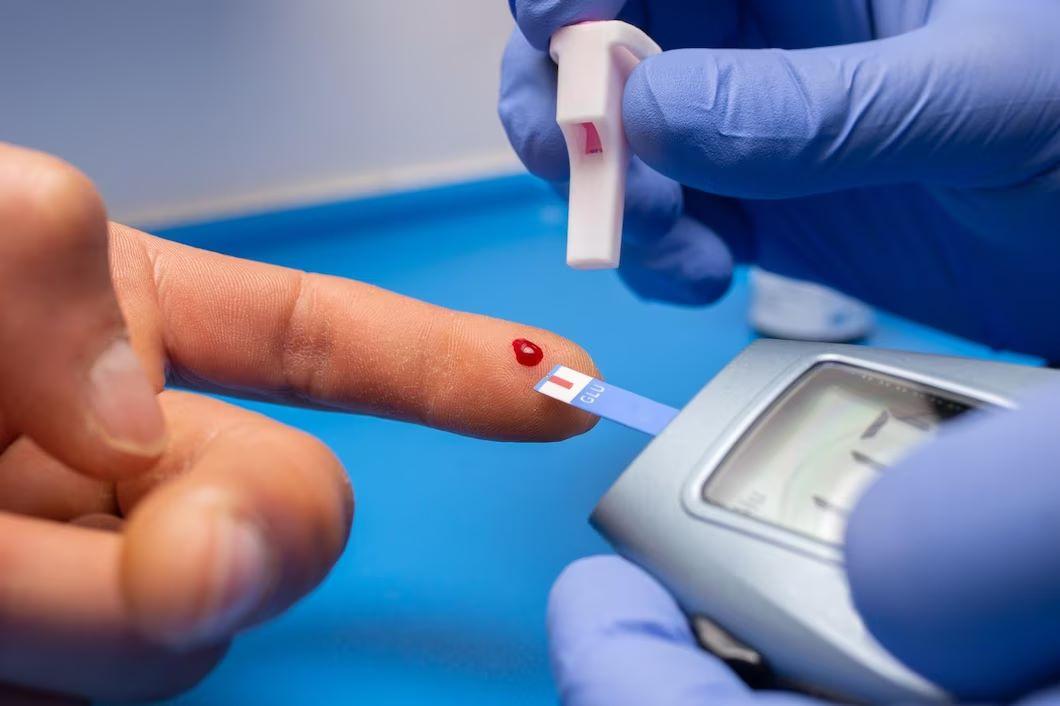
Maintaining healthy blood sugar levels is an important part of overall wellness. While many people focus on weight loss, fitness, or heart health, blood sugar often receives less attention even though it affects energy, mood, focus, metabolism, and long-term health.
When blood sugar rises too high or drops too low, the body may struggle to function properly. Balanced sugar levels help the body stay energized and support healthy daily performance. Learning how blood sugar works can help people make smarter food and lifestyle choices that improve overall well-being.
This guide explains what blood sugar is, why balance matters, common warning signs of imbalance, and simple ways to support healthy levels naturally.
What Does Blood Sugar Mean?
Blood sugar refers to the amount of glucose present in the bloodstream. Glucose is the body’s primary source of energy and comes mainly from the foods we eat, especially carbohydrates such as bread, rice, fruits, potatoes, and sweets.
After eating, the digestive system breaks food down into glucose, which then enters the bloodstream. A hormone called insulin helps move this glucose into the body’s cells, where it is used for energy.
When this process works properly, the body stays balanced and energized. However, when insulin does not function efficiently or glucose levels remain too high, it may lead to health problems over time.
Why Healthy Blood Sugar Is Important
Stable blood sugar supports many important body functions and helps people feel better throughout the day.
Healthy levels may help support:
- Steady energy
- Better concentration
- Balanced mood
- Reduced cravings
- Healthy metabolism
- Better sleep quality
- Long-term organ wellness
When blood sugar stays too high for long periods, it may increase the risk of health concerns such as diabetes, heart disease, nerve problems, and kidney issues.
On the other hand, when levels drop too low, symptoms like dizziness, weakness, confusion, and fatigue may occur.
The goal is balance rather than extreme highs or lows.
Common Signs of Blood Sugar Imbalance
Many people experience symptoms of unstable blood sugar without realizing the connection.
Constant Fatigue
Feeling tired even after resting properly may happen when the body cannot use glucose efficiently for energy.
Frequent Hunger
Rapid rises and drops in glucose levels may cause hunger shortly after meals.
Sugar Cravings
Strong cravings for sweets, especially during the afternoon or evening, may suggest unstable sugar balance.
Mood Changes
Irritability, stress, and sudden emotional shifts may sometimes be connected to fluctuating glucose levels.
Brain Fog
Difficulty concentrating or thinking clearly may occur when the brain is not receiving balanced energy.
Excessive Thirst
Increased thirst and frequent urination may be signs that the body is trying to manage elevated sugar levels.
Weight Gain Around the Waist
Insulin imbalance may contribute to fat storage, particularly around the belly area.
Recognizing these warning signs early may help prevent more serious issues later.
Common Causes of Blood Sugar Problems
Several daily habits and lifestyle factors can affect how the body manages glucose.
Poor Eating Habits
Frequent consumption of sugary foods, soft drinks, refined carbohydrates, fried meals, and processed snacks may lead to rapid sugar spikes.
Lack of Exercise
Physical inactivity makes it harder for the body to use glucose efficiently.
Poor Sleep
Insufficient sleep may affect hormone balance, increase cravings, and reduce insulin sensitivity.
Chronic Stress
Stress hormones may increase blood sugar levels and encourage emotional eating.
Hormonal Changes
Aging, pregnancy, and hormonal imbalances may also affect glucose regulation.
Family History
Genetics and family medical history may increase the risk of sugar-related health concerns.
Best Foods to Support Healthy Blood Sugar
Healthy food choices play a major role in maintaining stable energy and balanced glucose levels.
Fiber-Rich Vegetables
Vegetables such as spinach, broccoli, carrots, cucumber, and beans may help slow sugar absorption.
Healthy Protein Sources
Eggs, fish, chicken, lentils, and yogurt help support fullness and steady energy.
Whole Grains
Brown rice, oats, quinoa, and whole wheat products are generally better options than refined grains.
Healthy Fats
Nuts, seeds, avocado, and olive oil may help reduce hunger and support better balance.
Low-Sugar Fruits
Apples, berries, oranges, and pears are usually healthier choices than sugary desserts and processed snacks.
Drink Enough Water
Proper hydration supports normal body functions and may help reduce unnecessary cravings.
Simple food improvements can create strong long-term health benefits.
Foods That May Increase Blood Sugar Levels
Some foods may raise glucose quickly and lead to sudden energy crashes later.
Try reducing:
- Sugary drinks
- White bread
- Cakes and pastries
- Candy and sweets
- Packaged snacks
- Fast food
- Sweet breakfast cereals
- Excess alcohol
Healthy eating is about balance and portion control rather than complete restriction.
How Exercise Supports Blood Sugar Balance
Physical activity helps the body use glucose more effectively and improves insulin sensitivity.
Helpful forms of movement include:
- Walking
- Cycling
- Swimming
- Yoga
- Strength training
- Dancing
- Light stretching after meals
Even short daily walks may positively support blood sugar control and overall wellness.
Consistency matters more than intense workouts.
The Connection Between Sleep and Blood Sugar
Sleep plays an important role in hormone regulation and energy balance. Poor sleep may increase hunger signals and encourage unhealthy food choices.
Helpful sleep habits include:
- Going to bed at the same time each night
- Reducing screen use before sleep
- Avoiding excess caffeine late in the day
- Creating a relaxing bedtime routine
- Keeping the bedroom calm and dark
Good sleep supports healthier daily habits and better overall wellness.
Stress and Sugar Levels
Stress is often overlooked, but it can strongly affect the body. High stress levels may increase hormones that raise glucose levels.
Helpful stress-management practices include:
- Deep breathing exercises
- Walking outdoors
- Meditation
- Mindfulness practices
- Journaling
- Spending time with supportive people
Managing stress may support healthier energy levels and improved well-being.
Simple Daily Habits That Help
Small daily habits often produce the best long-term results.
Eat Meals Regularly
Skipping meals may lead to overeating and stronger cravings later.
Build Balanced Meals
Including protein, fiber, and healthy fats in meals may support steadier energy.
Reduce Late-Night Eating
Heavy nighttime meals may affect both sleep and sugar balance.
Watch Portion Sizes
Even healthy foods should be eaten in reasonable amounts.
Stay Hydrated
Sometimes thirst may feel similar to hunger.
Pay Attention to Your Body
Notice how different foods affect your mood, focus, energy, and cravings.
Daily awareness helps support smarter long-term choices.
Blood Sugar and Weight Management
Blood sugar balance and body weight are closely connected. When insulin levels remain elevated, the body may store more fat and burn less energy efficiently.
This may contribute to:
- Slower metabolism
- Belly fat accumulation
- Strong cravings
- Emotional eating
- Difficulty losing weight
Supporting healthy glucose levels may also help improve weight management and energy naturally.
When Medical Advice Is Important
Lifestyle changes can be helpful, but some symptoms should not be ignored.
Consider professional guidance if you experience:
- Extreme fatigue
- Blurred vision
- Frequent urination
- Excessive thirst
- Sudden weight changes
- Slow wound healing
- Numbness in the hands or feet
- A family history of diabetes
Early detection may help prevent serious complications and support better long-term health.
Common Myths About Blood Sugar
Many misunderstandings make healthy living more confusing than necessary.
Myth 1: Only Overweight People Have Blood Sugar Problems
People of all body types may experience glucose imbalance.
Myth 2: Fruit Is Always Unhealthy
Whole fruits with natural fiber are generally much healthier than processed sugary foods.
Myth 3: Skipping Meals Helps
Skipping meals often increases cravings and may lead to poor energy balance later.
Myth 4: Only Older Adults Need to Worry
Young adults and teenagers may also develop sugar-related health concerns.
Learning accurate information helps people make smarter decisions without fear.
Building a Healthier Lifestyle Long Term
The goal is not perfection. The goal is creating healthy habits that can be maintained consistently.
Start with simple improvements such as:
- Eating healthier breakfasts
- Taking short daily walks
- Drinking fewer sugary beverages
- Adding more vegetables to meals
- Improving sleep habits
- Managing stress levels
- Scheduling regular health checkups
These small steps may seem simple, but they can create powerful long-term benefits.
Healthy living is about supporting the body with better choices over time.
Final Thoughts
Understanding blood sugar is an important step toward better overall health. Stable glucose levels support energy, focus, mood, metabolism, and long-term wellness.
Simple daily habits such as healthy eating, regular movement, proper sleep, hydration, and stress management may help support balanced blood sugar naturally.
There is no need to change everything at once. Small, consistent improvements often lead to the strongest long-term results.
A healthier lifestyle begins with better everyday choices, and supporting healthy blood sugar is one of the best places to start.
this product is very helpful for this problem.