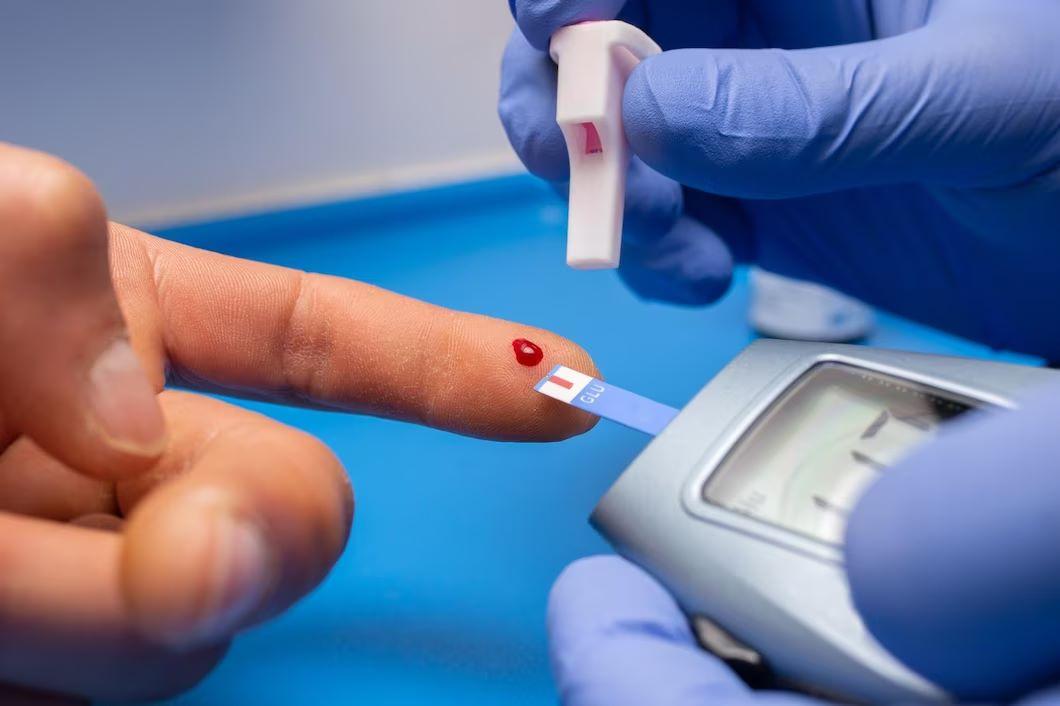
Maintaining balanced blood sugar levels is an important part of overall wellness. Many people focus only on dieting or exercise while ignoring how much blood sugar affects the body every day. Stable sugar levels support energy, mood, focus, appetite control, and long-term health.
When blood sugar becomes too high or too low, the body often begins showing warning signs. Some people experience constant fatigue, strong cravings, mood swings, or difficulty managing their weight. These issues are commonly connected to poor glucose balance.
The good news is that healthy lifestyle habits can naturally support better blood sugar control. Understanding how sugar affects the body can help people make smarter choices and improve their daily health.
This guide explains what blood sugar is, why balance matters, common signs of imbalance, and simple natural ways to support healthy glucose levels.
What Is Blood Sugar?
Blood sugar refers to the amount of glucose present in the bloodstream. Glucose is the body’s primary source of energy and comes from foods that contain carbohydrates, including rice, bread, fruits, milk, and snacks.
After eating, the body breaks carbohydrates down into glucose. This glucose enters the bloodstream and is carried to the cells where it is used for energy. A hormone called insulin helps move glucose from the blood into the cells.
When this system works properly, the body maintains healthy energy and balance. However, when glucose management becomes difficult, blood sugar levels may rise too high or fall too low.
Both situations can negatively affect health if they continue over time.
Why Healthy Blood Sugar Matters
Balanced blood sugar supports many important functions throughout the body. Stable levels help people feel energetic, focused, and emotionally balanced during the day.
Healthy glucose balance supports:
- Steady energy levels
- Better concentration
- Reduced cravings
- Improved mood balance
- Healthy digestion
- Weight management
- Heart and kidney health
- Long-term wellness
When blood sugar remains high for long periods, it may increase the risk of diabetes, nerve damage, heart disease, and other health concerns.
Low blood sugar can also create symptoms such as weakness, dizziness, shakiness, and sudden tiredness.
That is why balance and consistency are more important than quick solutions.
Common Signs of Blood Sugar Imbalance
The body often gives warning signs when glucose levels are unstable. Many people overlook these symptoms because they seem common in daily life.
Constant Fatigue
Feeling tired even after proper rest may be linked to unstable sugar levels and poor energy regulation.
Frequent Hunger
If hunger returns quickly after meals, rapid blood sugar spikes and crashes may be the reason.
Strong Sugar Cravings
Frequent cravings for sweets, especially later in the day, may suggest poor glucose balance.
Mood Swings
Sudden changes in mood, irritability, or anxiety can happen when blood sugar rises and falls too quickly.
Brain Fog
Difficulty focusing or poor mental clarity may occur when the brain does not receive stable energy.
Increased Thirst
Constant thirst and frequent urination can sometimes be signs of high blood sugar levels.
Belly Fat and Weight Gain
Difficulty losing weight, especially around the stomach area, is often connected to insulin imbalance.
Recognizing these symptoms early may help prevent more serious health issues later.
Common Causes of Blood Sugar Problems
Many everyday habits influence how the body handles glucose.
Too Much Processed Food
Sugary drinks, packaged snacks, fried foods, white bread, and fast food can lead to rapid sugar spikes.
Lack of Physical Activity
Without regular movement, the body becomes less efficient at using glucose for energy.
Poor Sleep
Inadequate sleep affects hormones related to hunger, cravings, and insulin function.
High Stress Levels
Stress hormones may raise blood sugar levels and increase emotional eating.
Hormonal Changes
Aging, pregnancy, and hormone imbalance can also affect glucose control.
Family History
Some people may have a greater risk due to genetics and family medical history.
Understanding these causes can help people build healthier routines.
Best Foods for Healthy Blood Sugar Support
Food choices play a major role in glucose balance. Eating nutrient-rich foods can help reduce sudden spikes and crashes.
Fiber-Rich Vegetables
Vegetables such as spinach, broccoli, cucumber, carrots, and green beans help slow sugar absorption.
Lean Protein Sources
Eggs, fish, chicken, lentils, yogurt, and beans help increase fullness and reduce cravings.
Whole Grains
Oats, quinoa, brown rice, and whole wheat products are better options than refined grains.
Healthy Fats
Nuts, seeds, olive oil, and avocados help support satisfaction after meals and improve balance.
Fresh Fruits
Apples, berries, pears, and oranges are healthier choices compared to processed desserts and sugary snacks.
Proper Hydration
Drinking enough water supports metabolism and may help reduce unnecessary hunger.
Small improvements in food choices can create strong long-term benefits.
Foods to Limit for Better Balance
Certain foods may cause quick sugar spikes followed by energy crashes. Reducing these foods may help improve wellness.
Try limiting:
- Sugary soft drinks
- White bread
- Cakes and pastries
- Candy and sweets
- Sweetened breakfast cereals
- Fried fast foods
- Packaged chips
- Excess alcohol
The goal is not extreme restriction but healthier balance and portion awareness.
Exercise Supports Blood Sugar Control
Regular movement helps the body use glucose more efficiently and improves insulin sensitivity.
Helpful physical activities include:
- Walking
- Cycling
- Yoga
- Swimming
- Light jogging
- Stretching
- Strength training
Even a short walk after meals may help improve blood sugar balance.
Consistency is more beneficial than occasional intense workouts.
Sleep and Blood Sugar Health
Sleep affects nearly every part of health, including glucose control. Poor sleep may increase cravings, hunger, and stress hormones.
Healthy Sleep Habits
Helpful habits include:
- Sleeping at the same time each night
- Reducing screen use before bed
- Limiting caffeine late in the day
- Keeping the bedroom dark and quiet
- Following a calming bedtime routine
Good sleep supports recovery and overall body balance.
Managing Stress Naturally
Stress has a strong impact on blood sugar levels. Long-term stress may make healthy habits harder to maintain.
Simple stress-management ideas include:
- Deep breathing exercises
- Meditation
- Walking outdoors
- Prayer or mindfulness
- Reading
- Journaling
- Spending time with loved ones
- Taking short breaks during work
A calmer mind often supports better physical health and emotional balance.
Daily Habits That Make a Difference
Small consistent habits often work better than extreme diets or temporary plans.
Eat Meals on Time
Skipping meals may increase cravings and lead to overeating later.
Build Balanced Meals
Try combining vegetables, protein, fiber, and healthy fats in each meal.
Avoid Heavy Late-Night Eating
Late meals may affect both sleep quality and glucose balance.
Watch Portion Sizes
Even healthy foods should be eaten in balanced amounts.
Stay Active Every Day
Daily movement is more effective than occasional exercise.
Pay Attention to Your Body
Notice how different foods affect your hunger, energy, and mood.
Consistency creates long-term results.
Blood Sugar and Weight Management
There is a strong connection between glucose balance and body weight. When insulin levels remain high, the body may store more fat and burn less energy.
This may contribute to:
- Slower metabolism
- Strong cravings
- Belly fat
- Emotional eating
- Low energy
- Difficulty losing weight
Improving blood sugar control often supports healthier and more natural weight management.
That is why balanced eating habits are usually more effective than extreme dieting.
When to Speak with a Doctor
Lifestyle changes are helpful, but some symptoms should not be ignored.
Seek medical advice if there is:
- Extreme fatigue
- Blurred vision
- Slow healing wounds
- Frequent urination
- Constant thirst
- Sudden weight changes
- Tingling or numbness in hands and feet
- Strong family history of diabetes
Early testing and medical guidance may help prevent serious long-term complications.
Common Myths About Blood Sugar
There are many misunderstandings about blood sugar and glucose balance.
Myth 1: Only Older Adults Need to Worry
Young adults and teenagers may also experience blood sugar imbalance.
Myth 2: All Fruit Is Unhealthy
Whole fruits with fiber are generally much healthier than processed sugary foods.
Myth 3: Skipping Meals Helps Balance Sugar
Skipping meals often leads to stronger cravings and overeating later.
Myth 4: Only Overweight People Have Blood Sugar Problems
Even people with a slim body type may experience poor glucose control.
Correct information helps people make healthier decisions.
Final Thoughts
Blood sugar affects energy, mood, focus, cravings, and long-term wellness more than many people realize. Learning how to maintain healthy glucose balance is an important step toward a healthier lifestyle.
Simple habits such as eating balanced meals, staying active, sleeping well, drinking enough water, and managing stress can make a major difference over time.
There is no need for extreme diets or impossible routines. Small healthy changes practiced consistently often create the best long-term results.
Start with one positive habit today and continue building from there. Over time, these daily choices can support better energy, stronger confidence, and improved overall health.
Taking care of blood sugar is not only about avoiding illness. It is about creating a healthier and more balanced life every day.
this product is very helpful for this problem.