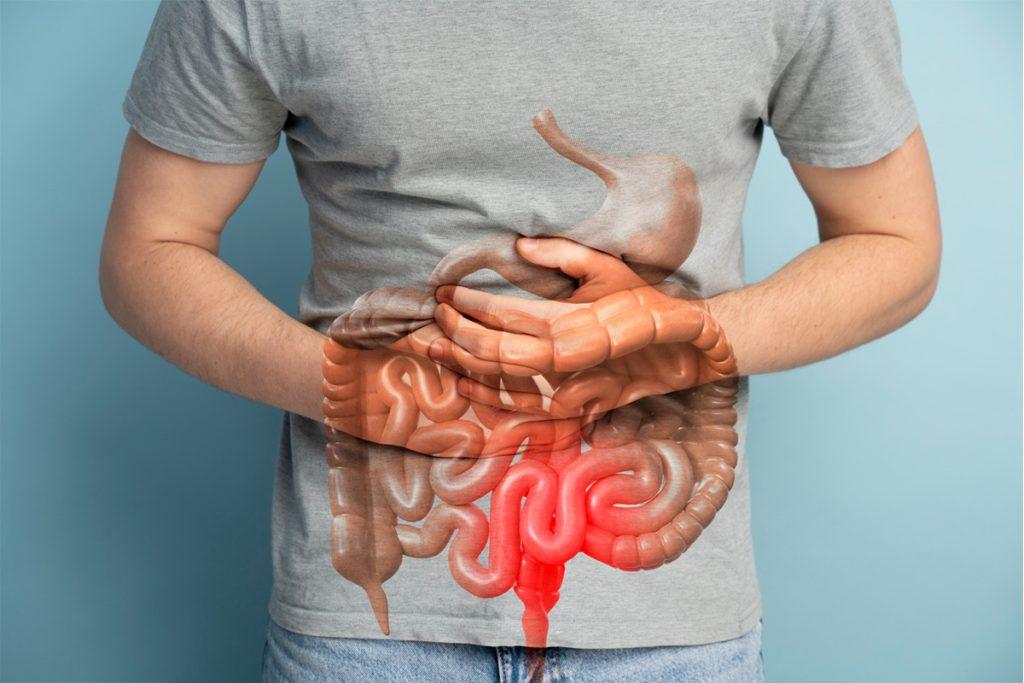
Good health begins inside the body, and one of the most important foundations of wellness is maintaining proper gut health. Many people focus mainly on exercise and weight management, but the digestive system also plays a major role in energy levels, immunity, mood, skin condition, and daily comfort. When digestion functions properly, the body feels healthier, lighter, and more balanced.
Poor digestive health may lead to bloating, constipation, fatigue, low energy, stomach discomfort, skin concerns, and mood changes. These symptoms are often signs that the digestive system needs more care and attention. Fortunately, improving digestion does not always require difficult routines or strict diets. Simple lifestyle habits can create noticeable improvements over time.
Understanding how the digestive system works and what affects it can help people make healthier daily choices. Factors such as food habits, stress levels, hydration, physical activity, and sleep quality all influence digestive balance.
This guide explains the importance of gut health, common signs of digestive imbalance, and practical ways to support healthy digestion naturally.
What Is Gut Health?
Gut health refers to the proper balance and function of the digestive system, especially the stomach and intestines. It also includes the trillions of helpful microorganisms living inside the digestive tract, often known as gut bacteria or gut microbiota.
These beneficial bacteria help the body:
- Digest food properly
- Absorb nutrients efficiently
- Support the immune system
- Protect against harmful bacteria
- Maintain digestive balance
When the balance of healthy bacteria is disturbed, digestive problems and other health concerns may begin to appear.
Poor eating habits, processed foods, excess sugar, stress, lack of sleep, and certain medications may negatively affect digestive balance.
Healthy digestion influences far more than stomach comfort. It can also affect energy, mental focus, skin appearance, mood, and sleep quality.
Why Gut Health Is Important
Many people underestimate how strongly digestion affects overall wellness. A healthy digestive system supports multiple functions throughout the body.
Better Digestion
Healthy digestion helps break down food efficiently, allowing nutrients to be absorbed properly. This may reduce common problems such as bloating, gas, and constipation.
Stronger Immunity
A large portion of the immune system is connected to the digestive tract. A balanced gut may help the body fight infections and reduce inflammation naturally.
Improved Mood and Mental Wellness
The digestive system and brain are closely linked through what is often called the gut-brain connection. Poor digestion may influence stress levels, focus, and mood.
Support for Healthy Weight Management
A healthy digestive system may help regulate appetite, metabolism, and cravings, supporting natural weight management.
Better Skin Appearance
Digestive imbalance may contribute to skin concerns such as acne, irritation, or dull-looking skin. Improving digestion often supports clearer and healthier-looking skin.
Common Signs of Poor Gut Health
The body often gives warning signs when digestion is not functioning properly. Recognizing these symptoms early can help prevent larger problems later.
Frequent Bloating
Feeling swollen or heavy after meals may suggest digestive imbalance.
Constipation or Diarrhea
Irregular bowel movements are common signs of digestive problems.
Constant Fatigue
Poor nutrient absorption may lead to low energy and tiredness.
Strong Sugar Cravings
An unhealthy balance of gut bacteria may increase cravings for sugary foods.
Skin Problems
Acne, irritation, or unexplained skin issues may sometimes be linked to digestive health.
Poor Sleep Quality
Digestive imbalance can affect sleep and recovery.
Bad Breath
Persistent bad breath may sometimes be connected to poor digestion.
Foods That Support Gut Health
Food is one of the most powerful tools for improving digestion naturally. Choosing nutrient-rich and fiber-rich foods helps support healthy gut bacteria.
Fiber-Rich Foods
Fiber supports regular digestion and helps healthy bacteria grow.
Examples include:
- Fruits
- Vegetables
- Oats
- Whole grains
- Brown rice
- Lentils
- Beans
Fermented Foods
Fermented foods contain beneficial bacteria that support digestive balance.
Examples include:
- Yogurt
- Curd
- Kefir
- Kimchi
- Sauerkraut
- Naturally fermented pickles
Prebiotic Foods
Prebiotics help feed the healthy bacteria already living in the digestive system.
Examples include:
- Garlic
- Onion
- Bananas
- Apples
- Asparagus
- Flaxseeds
Healthy Fats
Healthy fats may help reduce inflammation and support digestion.
Examples include:
- Nuts
- Seeds
- Olive oil
- Avocados
Drink Enough Water
Proper hydration supports digestion and helps prevent constipation. Water is simple but extremely important for digestive wellness.
Foods That May Harm Digestion
Some foods may negatively affect digestive balance when consumed too often.
Processed Foods
Packaged and heavily processed foods often contain unhealthy fats and preservatives that may disturb digestion.
Excess Sugar
Too much sugar may encourage the growth of harmful bacteria and increase inflammation.
Fried Foods
Heavy fried meals can be difficult to digest and may increase bloating.
Artificial Sweeteners
Certain artificial sweeteners may negatively affect healthy gut bacteria.
Excess Alcohol
Too much alcohol may irritate the digestive system and reduce beneficial bacteria.
Fast Food
Fast food usually lacks fiber and nutrients needed for proper digestive function.
Reducing these foods often improves digestion faster than expected.
Stress and Its Effect on Gut Health
Stress affects both the mind and the digestive system.
When stress levels remain high for long periods, the body produces hormones that may slow digestion and increase bloating or stomach discomfort. Many people notice digestive problems becoming worse during stressful situations.
Chronic stress may also disturb the balance of healthy bacteria in the gut.
Healthy ways to reduce stress include:
- Walking daily
- Meditation
- Deep breathing exercises
- Spending time outdoors
- Limiting screen time
- Talking to supportive people
- Practicing relaxation techniques
Managing stress is one of the most overlooked ways to improve gut health naturally.
Sleep and Digestive Wellness
Poor sleep can negatively affect digestion, while digestive discomfort can also disturb sleep quality. This creates an unhealthy cycle.
Lack of sleep may:
- Increase cravings
- Reduce digestion efficiency
- Increase inflammation
- Affect hormone balance
- Lower energy levels
Healthy sleep habits include:
- Sleeping at a consistent time
- Avoiding heavy meals late at night
- Reducing caffeine in the evening
- Limiting screen use before bed
- Creating a calm bedtime routine
Quality sleep allows the digestive system to recover and function more effectively.
Exercise Supports Healthy Digestion
Regular physical activity supports digestion by helping food move smoothly through the digestive tract. Exercise also helps reduce stress and supports healthy body weight.
You do not need difficult workouts to support digestive health.
Helpful activities include:
- Walking
- Yoga
- Cycling
- Swimming
- Light stretching
- Home workouts
Even 30 minutes of daily movement may improve digestion and overall wellness.
The Importance of Eating Slowly
Many people eat too quickly without noticing. Fast eating may lead to bloating, poor digestion, and overeating.
Chewing food properly helps the stomach process food more easily. Eating slowly also gives the brain enough time to recognize fullness.
Helpful mindful eating habits include:
- Sitting calmly during meals
- Avoiding distractions while eating
- Taking smaller bites
- Chewing food slowly
- Avoiding rushed meals
Small eating habits can create significant digestive improvements over time.
When Professional Guidance Is Needed
Sometimes digestive symptoms may require medical attention.
Professional support is important if symptoms become severe or continue for a long time.
Warning signs include:
- Severe stomach pain
- Blood in stool
- Frequent diarrhea
- Ongoing constipation
- Persistent bloating
- Unexplained weight loss
- Extreme fatigue
Long-term digestive discomfort should never be ignored.
Daily Habits for Better Gut Health
Simple daily routines often create the strongest long-term results.
Helpful habits include:
- Drinking water after waking up
- Eating fiber-rich foods daily
- Staying physically active
- Walking after meals
- Reducing stress levels
- Avoiding heavy late-night meals
- Sleeping properly
- Limiting unhealthy snacks
Consistency is more important than quick fixes.
Common Myths About Gut Health
There are many misunderstandings about digestion and digestive wellness.
Myth 1: Digestive Problems Only Affect Older Adults
Digestive concerns can affect people of all ages, especially when lifestyle habits are poor.
Myth 2: Frequent Bloating Is Normal
Occasional bloating may happen, but constant bloating should not be ignored.
Myth 3: Healthy Digestion Means Zero Discomfort
Even healthy people may experience occasional digestive discomfort. The goal is balance and consistency.
Myth 4: Skipping Meals Improves Digestion
Skipping meals may increase cravings and stress on the digestive system.
Understanding the truth helps people make healthier choices.
Building Long-Term Gut Health Naturally
Improving digestion does not require extreme diets or expensive routines. Long-term success comes from balance, patience, and consistency.
Healthy gut function is supported by:
- Nutritious food choices
- Proper hydration
- Better sleep habits
- Stress management
- Regular physical activity
- Mindful eating practices
Strong digestion supports energy, immunity, skin health, mental clarity, and overall well-being.
Taking care of the digestive system is one of the best investments for long-term health.
Final Thoughts
The digestive system works every day to support the body, yet many people ignore it until problems begin. Improving gut health can positively affect digestion, energy levels, mood, skin appearance, and overall quality of life.
Simple daily habits such as drinking more water, eating fiber-rich foods, reducing sugar intake, sleeping properly, and managing stress can create powerful long-term improvements.
There is no need for extreme solutions when consistency and balance can naturally strengthen digestive wellness.
A healthy gut supports a healthier future. Start with small changes, stay patient, and allow the body time to heal and improve naturally.
this product is very helpful for this problem.