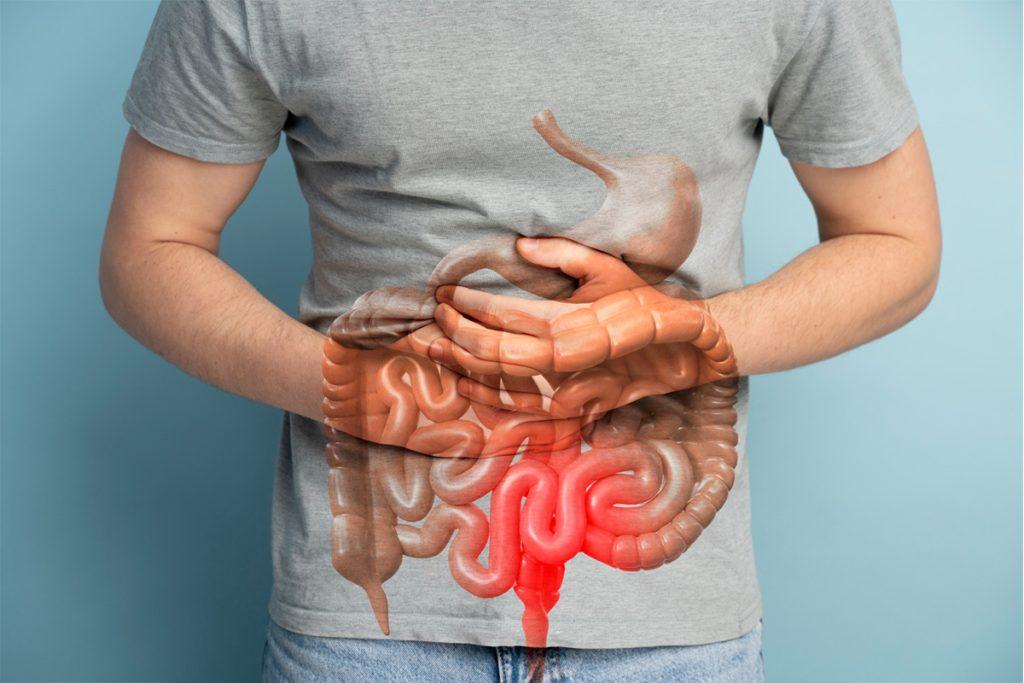
Good health begins inside the body, and one of the most important parts of overall wellness is maintaining strong gut health. While many people focus mainly on exercise, skincare, or weight management, the digestive system plays a much larger role in daily health than most realize. A healthy gut supports energy, immunity, mood, sleep, skin health, and even mental clarity.
When digestion functions properly, the body absorbs nutrients efficiently, removes waste smoothly, and maintains better balance overall. However, when digestive health becomes weak, people may experience bloating, constipation, tiredness, cravings, stomach discomfort, and other problems that affect everyday life.
Modern lifestyles often create digestive imbalance. Fast food, processed snacks, sugary drinks, stress, poor sleep, and lack of movement can weaken the digestive system over time. Fortunately, improving digestion does not require extreme routines or complicated solutions. Small daily habits and healthier choices can create powerful long-term results.
This guide explains what gut health means, why it matters, common signs of digestive imbalance, and natural ways to support stronger digestion and better wellness.
What Is Gut Health?
Gut health refers to the proper balance and function of the digestive system, especially the stomach, intestines, and the beneficial microorganisms living inside them. These microorganisms include healthy bacteria that support digestion and help the body function properly.
The digestive system works to:
- Break down food
- Absorb nutrients
- Remove waste
- Support immunity
- Protect against harmful bacteria
A healthy balance of good bacteria is essential for smooth digestion and overall wellness.
Poor eating habits, excess sugar, stress, alcohol, processed foods, lack of sleep, and unhealthy lifestyle choices may disturb this balance and lead to digestive problems.
Strong gut health supports not only digestion but also energy, mental focus, skin condition, and overall quality of life.
Why Gut Health Is Important
Many people think digestion only affects the stomach, but the digestive system influences nearly every part of the body.
Better Digestion and Nutrient Absorption
A healthy digestive system helps the body break down food properly and absorb important nutrients more effectively.
Stronger Immune System
A large part of the immune system is connected to the gut. Healthy digestion supports the body’s ability to fight harmful bacteria and infections.
Improved Mood and Mental Clarity
The gut and brain are closely linked. Poor digestion may contribute to stress, low mood, brain fog, and reduced focus.
Better Energy Levels
When nutrients are absorbed properly, the body receives better fuel for energy and daily performance.
Healthier Skin
Digestive imbalance may sometimes contribute to acne, irritation, dullness, and other skin concerns. Better digestion often supports clearer skin naturally.
Support for Healthy Weight Management
Balanced digestion may help regulate hunger, cravings, metabolism, and appetite control.
Common Signs of Poor Gut Health
The body often shows warning signs when digestion is not functioning properly.
Frequent Bloating
Feeling swollen or uncomfortable after meals may indicate digestive imbalance.
Constipation
Difficulty passing stool regularly may reflect low fiber intake, dehydration, or slow digestion.
Diarrhea
Frequent loose stools may signal digestive irritation or imbalance.
Gas and Stomach Discomfort
Excess gas, cramping, or heaviness after meals may suggest poor digestion.
Constant Fatigue
Low energy may occur when nutrients are not absorbed properly.
Sugar Cravings
An imbalance in gut bacteria may increase cravings for sugary and processed foods.
Poor Sleep
Digestive discomfort and gut imbalance may affect sleep quality.
Skin Problems
Acne, irritation, and breakouts can sometimes be connected to digestive health.
Mood Changes
Stress, irritability, anxiety, and poor focus may also be linked to digestive imbalance.
Recognizing these signs early can help prevent larger health concerns later.
Foods That Support Gut Health
Food is one of the most effective ways to improve digestion naturally. Healthy foods nourish beneficial bacteria and support digestive balance.
Fiber-Rich Foods
Fiber helps move food smoothly through the digestive system and supports healthy bacteria.
Examples include:
- Apples
- Bananas
- Pears
- Oats
- Brown rice
- Whole grains
- Beans
- Lentils
- Carrots
- Broccoli
- Spinach
Fiber supports long-term digestive comfort and regular bowel movement.
Fermented Foods
Fermented foods contain beneficial bacteria that support healthy digestion.
Examples include:
- Yogurt
- Curd
- Kefir
- Kimchi
- Sauerkraut
- Naturally fermented pickles
These foods help maintain healthy bacterial balance in the digestive tract.
Prebiotic Foods
Prebiotics feed the beneficial bacteria already living inside the gut.
Examples include:
- Garlic
- Onion
- Bananas
- Apples
- Asparagus
- Oats
- Flaxseeds
Prebiotic foods help strengthen digestive balance naturally.
Healthy Fats
Healthy fats may reduce inflammation and support digestive wellness.
Examples include:
- Nuts
- Almonds
- Walnuts
- Chia seeds
- Flaxseeds
- Olive oil
- Avocados
Balanced healthy fats support both digestion and overall wellness.
Drink Enough Water
Water is essential for digestion and bowel movement. Staying hydrated may help:
- Prevent constipation
- Improve digestion
- Support nutrient absorption
- Reduce heaviness and bloating
Many digestive problems improve simply by increasing daily water intake.
Foods That May Harm Digestion
Some foods may negatively affect digestive balance when consumed too often.
Processed Foods
Packaged foods often contain unhealthy fats, preservatives, and low fiber.
Excess Sugar
Too much sugar may feed harmful bacteria and increase inflammation.
Fried Foods
Heavy oily foods are more difficult to digest and may cause bloating.
Artificial Sweeteners
Certain artificial sweeteners may disturb healthy gut bacteria.
Fast Food
Fast food usually lacks nutrients and fiber needed for healthy digestion.
Excess Alcohol
Too much alcohol may irritate the digestive lining and weaken beneficial bacteria.
Sugary Soft Drinks
Carbonated sugary beverages may increase bloating and digestive discomfort.
Reducing these foods may improve digestion significantly over time.
Stress and Gut Health
Stress directly affects the digestive system.
Many people notice stomach discomfort, bloating, or irregular digestion during stressful periods. This happens because the brain and digestive system are closely connected.
Long-term stress may:
- Slow digestion
- Increase inflammation
- Trigger emotional eating
- Increase cravings
- Disturb gut bacteria balance
Healthy stress-management habits include:
- Walking outdoors
- Meditation
- Deep breathing
- Yoga
- Journaling
- Better sleep routines
- Talking to supportive people
Reducing stress supports healthier digestion naturally.
Sleep and Digestive Wellness
Sleep and digestion strongly influence each other.
Poor sleep may weaken digestion, increase cravings, and affect hormone balance. At the same time, digestive discomfort may make it harder to sleep well.
Healthy sleep habits include:
- Sleeping at consistent times
- Avoiding heavy meals late at night
- Reducing caffeine in the evening
- Limiting screen use before bed
- Creating a calm sleeping environment
Good sleep helps the digestive system recover and function more effectively.
Exercise Supports Better Digestion
Physical activity helps digestion more than many people realize.
Exercise may help:
- Improve bowel movement
- Reduce constipation
- Lower stress
- Support weight management
- Improve circulation
Helpful activities include:
- Walking
- Yoga
- Stretching
- Cycling
- Swimming
- Light home workouts
Even a short daily walk can support better digestion and overall wellness.
Walking after meals may be especially helpful.
Why Eating Slowly Matters
Eating too quickly may lead to:
- Bloating
- Overeating
- Poor digestion
- Acid discomfort
- Feeling heavy after meals
Chewing food slowly helps the stomach process food more efficiently and allows the brain time to recognize fullness.
Helpful mindful eating habits include:
- Sitting calmly during meals
- Avoiding mobile phones while eating
- Taking smaller bites
- Chewing food properly
- Avoiding rushed eating
Small mindful habits may create noticeable digestive improvements over time.
The Importance of Hydration
Hydration is one of the simplest but most powerful ways to support digestion.
Water helps the body:
- Break down food
- Absorb nutrients
- Prevent constipation
- Support smoother digestion
Helpful hydration habits include:
- Drinking water after waking up
- Carrying a water bottle
- Drinking water regularly throughout the day
- Reducing sugary drinks
- Eating water-rich fruits and vegetables
Consistent hydration supports daily digestive wellness.
Gut Health and Immunity
A large portion of the immune system is connected to the digestive tract.
Healthy gut bacteria help protect the body from harmful organisms and support stronger immunity.
Poor digestion may contribute to:
- Frequent illness
- Low energy
- Increased inflammation
- Slower recovery
Supporting digestive balance helps strengthen overall health and resilience.
Gut Health and Skin Wellness
Digestive health may also affect the skin.
Poor digestion may contribute to:
- Acne
- Dullness
- Redness
- Breakouts
- Dryness
- Skin irritation
Improving digestion often supports clearer and healthier-looking skin naturally.
Healthy digestion supports better nutrient absorption, which benefits skin health from the inside.
Daily Habits for Better Gut Health
Consistency is more important than quick fixes.
Helpful daily habits include:
- Starting the day with water
- Eating more natural foods
- Adding fiber to meals
- Walking after eating
- Reducing sugar intake
- Managing stress daily
- Sleeping properly
- Staying physically active
- Avoiding heavy late-night meals
These simple habits support long-term digestive balance.
Common Myths About Gut Health
Myth 1: Digestive Problems Only Affect Older Adults
Digestive issues can affect people of all ages.
Myth 2: Frequent Bloating Is Normal
Occasional bloating may happen, but regular bloating should not be ignored.
Myth 3: Skipping Meals Helps Digestion
Skipping meals may increase cravings and digestive stress.
Myth 4: Healthy Digestion Means Zero Symptoms
Even healthy people may occasionally experience discomfort. Balance matters more than perfection.
Myth 5: Drinking Less Water Reduces Bloating
Poor hydration may actually worsen bloating and constipation.
Understanding these myths helps people make healthier decisions.
When Professional Help Is Needed
Natural habits can improve digestion, but some symptoms require medical attention.
Warning signs include:
- Severe stomach pain
- Blood in stool
- Sudden weight loss
- Ongoing diarrhea
- Persistent constipation
- Severe bloating
- Frequent vomiting
- Extreme fatigue
Long-term digestive discomfort should never be ignored.
Building Long-Term Digestive Wellness
Healthy digestion is built through consistent lifestyle habits rather than extreme routines.
Long-term gut health is supported by:
- Balanced food choices
- Better hydration
- Regular exercise
- Stress management
- Quality sleep
- Mindful eating habits
- Reduced processed foods
The body responds best to steady and sustainable habits.
Small daily improvements often create the strongest long-term results.
Final Thoughts
The digestive system supports the body every single day, yet many people only notice it when problems appear. Taking care of gut health may improve digestion, energy, immunity, mood, sleep, skin health, and overall comfort.
Simple changes such as drinking more water, eating more fiber, reducing sugar, sleeping better, and managing stress can create lasting improvements over time.
There is no need for extreme solutions. True digestive wellness comes from patience, consistency, and balanced habits.
A healthy gut supports a healthier future. Start with one small step today and give your body the support it needs to heal and function naturally.
Strong health begins with strong digestion.
this product is very helpful for this problem.