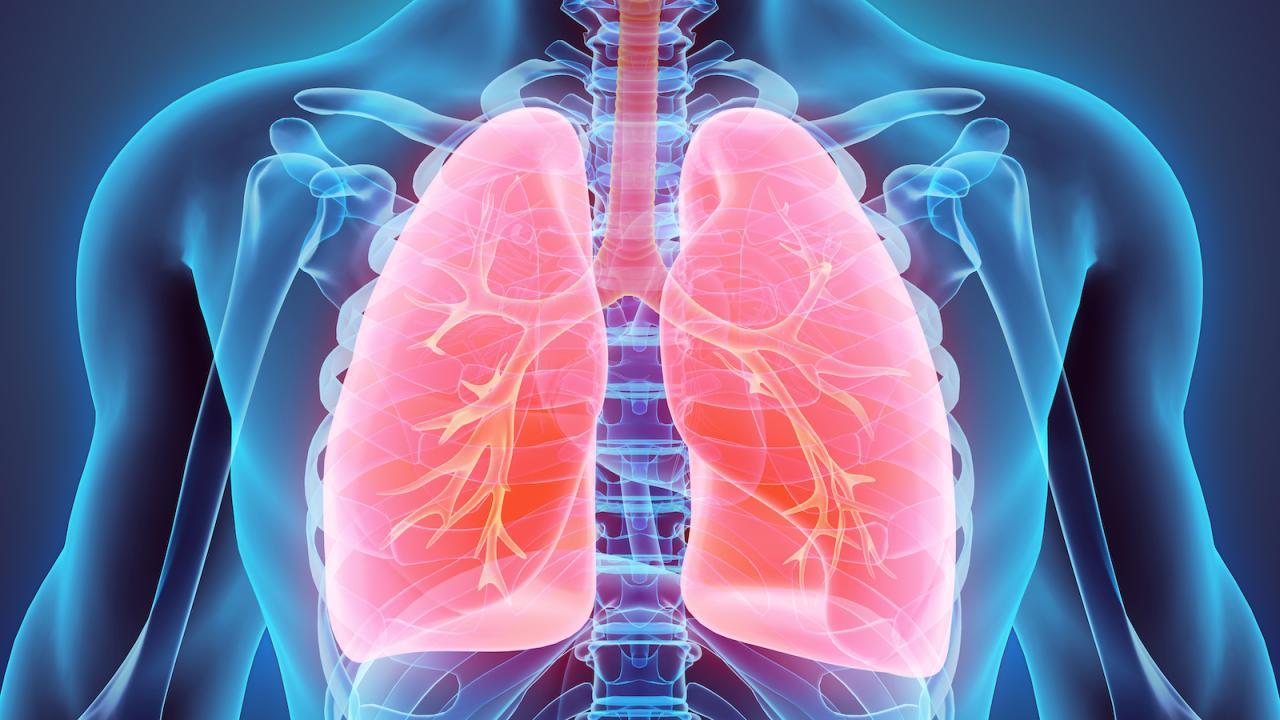
Breathing is something we do every moment without thinking, yet healthy lungs are essential for a healthy life. Our lungs deliver oxygen to the body and remove waste gases, helping every organ function properly. When the lungs are strong, we feel active, energetic, and comfortable during daily activities. But when lung health becomes weak, even simple tasks may feel tiring.
Today’s lifestyle can place extra pressure on the respiratory system. Pollution, smoking, unhealthy eating habits, stress, lack of exercise, and poor sleep can slowly affect breathing and reduce lung strength. Many people experience coughing, chest tightness, low stamina, or shortness of breath without realizing their lungs need more attention.
The good news is that improving lung health does not always require complicated treatments. Small daily lifestyle changes can help support better breathing and long-term respiratory wellness.
This guide explains simple and natural ways to care for your lungs and breathe better every day.
Understanding Lung Health
Lung health refers to how well your lungs work and how efficiently they supply oxygen to the body. Healthy lungs help you breathe comfortably, stay physically active, and maintain good energy levels throughout the day.
Strong lungs support:
- Smooth breathing
- Better stamina
- Improved sleep quality
- Faster recovery from illness
- Increased energy
- Better overall wellness
When lung function becomes weak, the body may not receive enough oxygen, leading to tiredness and breathing discomfort.
Taking care of your lungs is just as important as caring for your heart, skin, or muscles.
Why Healthy Lungs Are Important
Your lungs work continuously from the moment you are born. Every breath helps deliver oxygen into the bloodstream, which is necessary for survival and body function.
Good lung health can help support:
- Stronger immunity
- Better blood circulation
- Improved concentration
- Higher physical performance
- Faster healing
- Better mental and physical balance
Weak lungs may affect daily comfort, sleep, energy, and physical activity. That is why maintaining healthy breathing should be a regular part of self-care.
Signs Your Lungs May Need Attention
The body often gives early warning signs when the lungs are under stress. Ignoring these symptoms may lead to more discomfort later.
Common signs include:
- Frequent coughing
- Difficulty taking deep breaths
- Chest tightness
- Wheezing sounds
- Breathlessness during activity
- Low stamina
- Repeated chest infections
- Constant fatigue
If these symptoms continue, it may be time to focus more on respiratory wellness.
Avoid Smoking for Better Lung Health
Smoking is one of the most harmful habits for the lungs. It damages lung tissue, irritates the airways, and reduces the body’s oxygen supply over time.
Smoking can lead to:
- Long-term coughing
- Reduced breathing capacity
- Poor oxygen circulation
- Weak lung function
- Lower physical endurance
Even exposure to secondhand smoke may affect breathing health. Staying away from smoking environments can help protect your lungs.
Quitting smoking is one of the most effective ways to improve lung health and support better breathing.
Keep Your Environment Clean
Clean air is essential for healthy lungs. Dust, smoke, pollution, and chemical fumes may irritate the respiratory system and make breathing uncomfortable.
You can protect your lungs by:
- Keeping rooms clean and dust-free
- Allowing fresh air into the home
- Avoiding heavy pollution whenever possible
- Using proper kitchen ventilation
- Limiting exposure to strong chemical sprays
- Wearing masks in dusty areas
Breathing cleaner air helps reduce stress on the lungs and improves overall respiratory comfort.
Exercise to Support Stronger Breathing
Physical activity helps improve lung efficiency and increases oxygen circulation throughout the body.
You do not need intense workouts to support your lungs. Simple daily movement can make a difference.
Helpful activities include:
- Walking
- Light jogging
- Yoga
- Cycling
- Stretching
- Swimming
- Dancing
Regular exercise strengthens the breathing muscles and supports better stamina.
Staying active is one of the easiest natural ways to maintain good lung health.
Practice Deep Breathing
Many people develop shallow breathing habits because of stress, poor posture, or inactivity. Deep breathing exercises can help improve oxygen flow and relax the body.
Benefits of deep breathing include:
- Better oxygen intake
- Improved lung expansion
- Reduced stress
- Relaxed chest muscles
- Easier breathing
Simple Deep Breathing Exercise
Sit comfortably and slowly breathe in through your nose. Allow your stomach to expand while keeping the chest relaxed. Hold the breath for a few seconds, then slowly breathe out.
Practicing this exercise for a few minutes daily may help improve breathing comfort and relaxation.
Eat Foods That Support Lung Wellness
Healthy nutrition plays an important role in supporting the respiratory system. Nutritious foods help strengthen the body and support natural recovery processes.
Fresh Fruits
Fruits contain vitamins and antioxidants that may help protect lung tissues and support immunity.
Green Vegetables
Leafy vegetables support blood circulation and overall body health.
Light and Balanced Meals
Heavy processed foods may increase tiredness and make the body feel sluggish.
Healthy Fluids
Warm water and proper hydration help keep the throat and airways comfortable.
Balanced eating habits can support long-term lung health and improve overall energy.
Stay Hydrated Every Day
Water helps the respiratory system function more smoothly.
Good hydration may help:
- Keep airways moist
- Reduce throat dryness
- Support mucus clearance
- Improve breathing comfort
Dehydration can sometimes make breathing feel heavier and less comfortable.
Drinking enough water daily supports both energy levels and respiratory wellness.
Improve Posture for Easier Breathing
Posture affects how fully the lungs can expand.
Poor sitting habits and slouching may compress the chest and reduce breathing efficiency.
Better posture includes:
- Sitting upright
- Relaxing the shoulders
- Standing tall
- Taking stretching breaks during work
Simple posture improvements can help support deeper and more comfortable breathing.
Protect Yourself from Chest Infections
Frequent respiratory infections may weaken the lungs and increase breathing discomfort.
To reduce infection risk:
- Wash hands regularly
- Maintain personal hygiene
- Rest properly when sick
- Keep living spaces clean
- Avoid close contact with ill individuals
Prevention is one of the best ways to support strong lung health.
Stress Can Affect Breathing
Stress and anxiety often lead to fast, shallow breathing, which may create chest tightness and discomfort.
Managing stress can help improve both emotional and physical wellness.
Simple stress-relief methods include:
- Meditation
- Deep breathing exercises
- Listening to calming music
- Spending time outdoors
- Taking work breaks
- Talking with loved ones
A relaxed mind often supports calmer and healthier breathing patterns.
Quality Sleep Supports Lung Recovery
The body repairs itself during sleep, including the respiratory system.
Good sleep may help:
- Improve oxygen balance
- Restore energy levels
- Support healthy breathing
- Strengthen immunity
Creating a regular sleep routine and limiting screen time before bed can improve overall wellness and lung recovery.
Lung Care at Every Age
Healthy lungs are important throughout life.
Children
Children benefit from clean air, outdoor play, and protection from smoke exposure.
Adults
Adults should focus on exercise, stress management, and avoiding pollution.
Older Adults
Older adults may benefit from walking, breathing exercises, and routine health checkups.
Lung care should remain a lifelong priority.
Simple Daily Habits for Better Lung Health
Small habits practiced consistently can support stronger breathing over time.
Healthy daily habits include:
- Walking regularly
- Practicing deep breathing
- Drinking enough water
- Eating fresh foods
- Sleeping on time
- Keeping rooms ventilated
- Staying active
- Avoiding smoke exposure
These simple lifestyle changes can help maintain healthy lungs naturally.
When to Seek Medical Help
Some breathing symptoms should never be ignored.
Consult a healthcare professional if you experience:
- Severe breathing difficulty
- Chest pain while breathing
- Blood while coughing
- Frequent chest infections
- Persistent wheezing
- Sudden shortness of breath
Early medical attention can help prevent more serious health problems.
Final Thoughts
Healthy lungs are essential for energy, movement, sleep, and overall quality of life. Strong breathing supports both physical and mental well-being.
Good lung health is built through consistent daily habits such as regular exercise, clean air, healthy eating, deep breathing, hydration, and quality sleep.
Even small lifestyle improvements can create long-term benefits for your respiratory system. Taking care of your lungs today can help you enjoy a healthier and more active future.
this product is very helpful for this problem.