Easy Steps to Get a Site Plan for Construction Projects
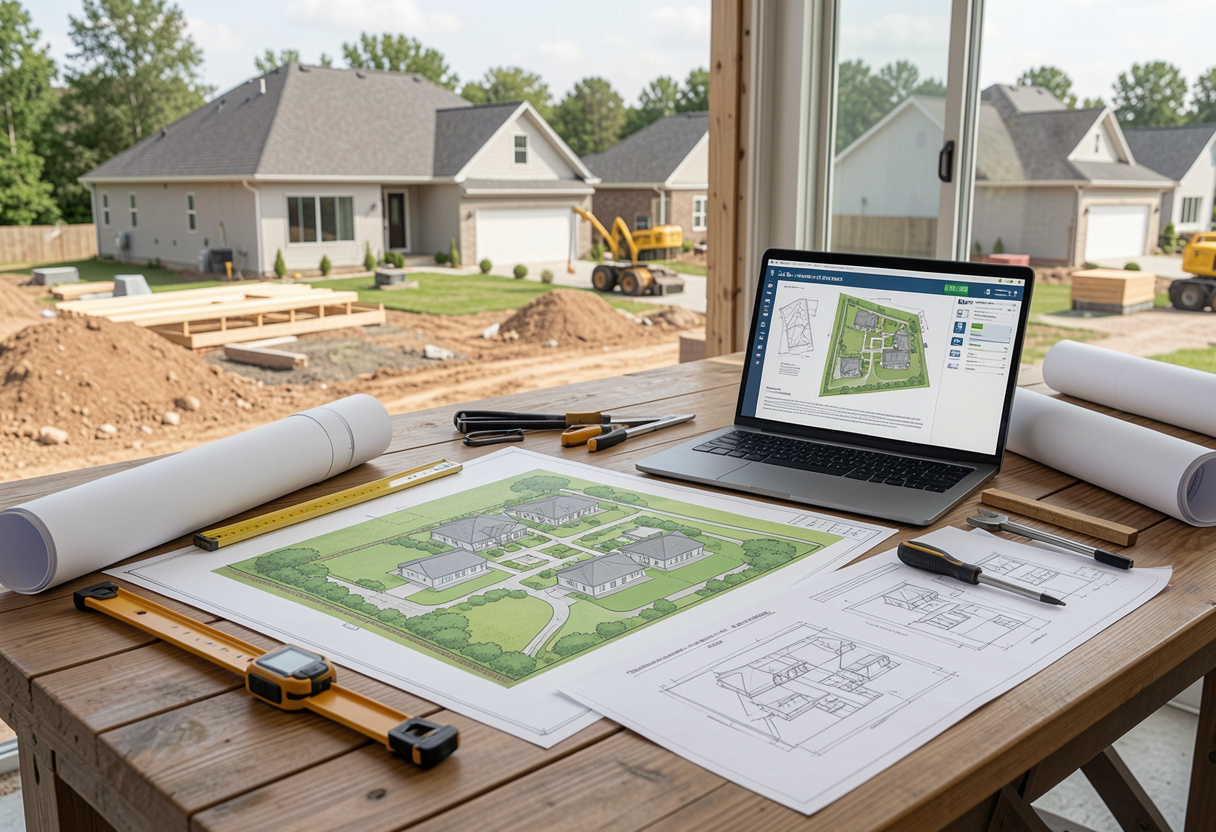
Starting a construction project can feel overwhelming, especially when permits and approvals are involved. One of the most important documents you will need is a site plan. Whether you are building a new home, adding a garage, installing a fence, or planning a commercial project, local authorities often require accurate site plans for permits before approving construction.
Many property owners ask questions like: How do I get a site plan? What information should it include? What is the difference between a site plan vs plot plan? Understanding these basics can save time, reduce delays, and help your project move smoothly from planning to construction.
This guide explains everything in simple terms and walks you through the easy steps to get a site plan for your construction project.
What Is a Site Plan?
A site plan is a detailed drawing that shows the layout of a property and all existing or proposed structures. It gives city officials, contractors, engineers, and architects a clear view of the land and how the project fits within property boundaries.
A professional site plan typically includes:
- Property lines and dimensions
- Existing buildings and structures
- Proposed construction areas
- Driveways and parking spaces
- Utility lines and easements
- Landscaping features
- Setbacks and zoning information
- Drainage details
Local building departments use site plans for permits to verify that the project follows zoning laws, safety regulations, and property restrictions.
Without a proper site plan, permit approval may be delayed or rejected.
Site Plan vs Plot Plan: What’s the Difference?
One of the most common questions property owners ask is about the difference between a site plan vs plot plan. While these terms are sometimes used interchangeably, they are not exactly the same.
Plot Plan
A plot plan is usually simpler and focuses mainly on:
- Property boundaries
- Existing structures
- Basic dimensions
- Setback measurements
Plot plans are commonly used for smaller residential projects like fences, patios, sheds, or decks.
Site Plan
A site plan is more detailed and often required for larger or more complex projects. It may include:
- Landscaping design
- Drainage systems
- Parking layouts
- Utility information
- Construction details
- Environmental considerations
In short, a plot plan provides a basic property layout, while a site plan gives a complete overview of how the property will function after construction.
Understanding the difference between a site plan vs plot plan helps you choose the correct document for your permit application.
Why Site Plans Are Important for Permits
Most cities and counties require site plans for permits because they help ensure that construction projects meet local regulations.
A site plan helps officials confirm:
- Buildings are within property lines
- Structures meet setback requirements
- Drainage systems are safe
- Utility access is properly planned
- Parking and access routes comply with codes
For property owners, a well-prepared site plan can:
- Speed up permit approval
- Reduce costly revisions
- Prevent zoning violations
- Improve contractor communication
- Support accurate construction planning
Even small residential projects may require a site plan before work can begin legally.
Easy Steps to Get a Site Plan
Getting a site plan does not have to be complicated. Following a clear process makes the experience much easier.
1. Gather Property Information
The first step is collecting basic information about your property.
This may include:
- Property address
- Survey documents
- Legal property description
- Existing building measurements
- Utility information
- Lot dimensions
If you already have a recent land survey, it can significantly simplify the process.
You can often find property records through local county offices or municipal websites.
2. Understand Local Permit Requirements
Every city or county has different building regulations. Before creating your site plan, check local permit requirements carefully.
Some jurisdictions require:
- Professional drawings
- Specific scales or formats
- Drainage details
- Utility layouts
- Landscaping information
Knowing exactly what the building department needs helps avoid revisions later.
If you are unsure, contact the local permitting office or work with a professional site plan provider.
3. Hire a Professional or Use an Online Service
There are several ways to get a site plan depending on the complexity of your project.
Professional Surveyors or Architects
For large construction projects, hiring a licensed professional may be necessary. Architects, engineers, and surveyors can prepare detailed plans that meet local codes.
Online Site Plan Services
For many residential projects, online services provide affordable and fast solutions. These companies create digital site plans using satellite imagery, property records, and customer information.
Online options are especially useful for:
- Deck permits
- Fence permits
- Driveways
- Pools
- Home additions
- Garage construction
Choosing the right option depends on your project size, budget, and local regulations.
4. Review the Site Plan Carefully
Before submitting your plan for approval, review all details carefully.
Make sure the plan includes:
- Accurate measurements
- Correct property boundaries
- Proposed structure locations
- Required setbacks
- Labels and dimensions
Small mistakes can cause permit delays or rejections.
It is also helpful to verify that the site plan matches your actual construction goals before final approval.
5. Submit the Site Plan for Permit Approval
Once the site plan is complete, submit it with your permit application.
Depending on your city, submission may happen:
- Online through a permit portal
- By email
- In person at the building department
After submission, officials review the documents to ensure compliance with zoning and construction regulations.
If corrections are needed, they may request revisions before issuing the permit.
Common Mistakes to Avoid
Many permit delays happen because of simple errors in the site plan.
Avoid these common mistakes:
Incorrect Measurements
Always use accurate property dimensions and building sizes.
Missing Setbacks
Failure to show proper setback distances is one of the most common reasons permits are rejected.
Outdated Property Information
Old surveys or inaccurate property records can create problems during approval.
Ignoring Local Requirements
Every jurisdiction has unique rules. Never assume all permit offices require the same information.
Low-Quality Drawings
Unreadable or incomplete drawings can slow down approval and require resubmission.
Taking time to prepare a clear and accurate site plan saves frustration later.
How Much Does a Site Plan Cost?
The cost of a site plan depends on several factors:
- Project complexity
- Property size
- Local regulations
- Level of detail required
- Professional services used
Simple residential site plans may cost much less than commercial development plans.
Online site plan services are often more affordable for smaller projects, while complex construction may require architects or engineers.
Although some property owners try to create plans themselves, professional assistance can reduce errors and improve permit approval speed.
Final Thoughts
A site plan is one of the most important documents for any construction project. Whether you are building a new structure, adding an extension, or applying for residential permits, having accurate site plans for permits helps keep your project compliant and organized.
Understanding the difference between a site plan vs plot plan also makes it easier to choose the correct drawing for your needs.
The process to get a site plan becomes much simpler when you gather property information, understand local requirements, and work with experienced professionals or trusted online services.
With the right preparation, you can avoid delays, secure approvals faster, and move forward confidently with your construction project.
Categories
Read More
Polaris Market Research has introduced the latest market research report titled Europe Rare Disease Diagnostics Market Share, Size, Trends, Industry Analysis Report, By Disease Type, By Product Type, By Sample Type, By Technology, By Test, By Age Group, By Trait Type, By End-User, By Country; Segment Forecast, 2024 - 2032 that highlights the major revenue stream for the forecast...

Polaris Market Research has introduced a new market research report entitled Global A2 Dairy Products Market Share, Size, Trends, Analysis, Industry Report By Product (Milk, Cheese, Yogurt, Butter, Others), By Distribution Channel, By Region and Forecast, 2023 – 2032, which acts as a reliable resource for analyzing historic and forecast measures, development structure, and key...
Discover CNC tool use cases in modern factories to improve precision, productivity, and efficiency across various manufacturing industries. How CNC Tools Are Used in Modern Manufacturing Industries Modern factories are evolving rapidly with the adoption of automation, digital systems, and advanced machining technologies. Industries today demand higher precision, faster production, and...

3D Time-of-flight Image Sensors Market, valued at a robust USD 1574 million in 2026, is on a trajectory of remarkable expansion, projected to reach USD 6020 million by 2034. This growth, representing a compound annual growth rate (CAGR) of 21.7%, is detailed in a comprehensive new report published by Semiconductor Insight. The study highlights the critical role of these advanced depth-sensing...
Polaris Market Research has introduced the latest market research report titled AI Sensor Market Size, Share, Trends, Industry Analysis Report: By Sensor Type, Application (Automotive, Consumer Electronics, Manufacturing, Robotics, and Others), Type, Technology, and Region (North America, Europe, Asia Pacific, Latin America, and Middle East & Africa) – Market Forecast,...