What Makes Professional Paint Supplies Different From Retail Products
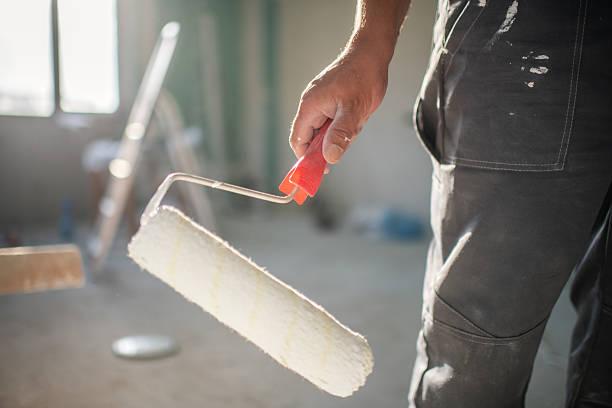
Walk into a paint aisle and it all kind of blends together at first. Rollers, trays, brushes, sleeves—same shapes, same promises on the packaging. Easy to assume it’s all basically the same stuff. It’s not. Not even close. Once you’ve spent a few days actually painting, not just touching up a wall, you start noticing the gaps. A tool that looked fine on the shelf suddenly feels off in your hand. Coverage isn’t even. You’re going back over spots you already did. That’s where the difference starts showing. Even something simple like a paint roller refillable setup—sounds basic, but the way a pro version works versus a retail one… yeah, different story.
Build Quality Feels Different Right Away
You don’t need specs or labels to notice it. Pick up a pro roller frame and then a cheap retail one. The cheaper one usually has a bit of give, a slight rattle if you shake it. Not terrible, just… loose. Under pressure, it flexes more than it should. Now try a professional frame. It’s tighter. Feels planted. When you push into a wall, it doesn’t fight back or bend off line. Same goes for the handles—retail grips can get slippery or uncomfortable faster than you’d expect. Pro ones aren’t fancy, just better thought out. You can tell someone actually used them before selling them.
How Paint Moves Through the Roller Matters
This is the part most people underestimate. It’s not just about picking up paint, it’s how that paint comes back out onto the surface. Retail rollers can load up fine, but then they dump unevenly. You get heavier spots, lighter spots, then you start pressing harder to even it out. That’s where streaks creep in. Pro rollers are more controlled. They hold paint and release it gradually, almost like a steady feed. Sounds technical, but you feel it when you work. Less effort, smoother passes. And less splatter, which—honestly—saves a lot of cleanup headaches later.
Durability Isn’t a Small Thing
Retail tools aren’t really made for repetition. They’ll get you through a job or two, sure. But wash them a few times, use them on rough surfaces, and they start falling apart. The roller nap loosens, cores soften, adhesives give up. Professional supplies don’t wear out that fast. You can rinse them, reuse them, throw them back into rotation the next day. They’re built for that cycle. It’s not that they’re indestructible, nothing is—but they hold up long enough to justify the price.
Consistency Is Where the Gap Gets Obvious
Here’s where things get a bit frustrating with retail gear. You might get one wall looking pretty decent, then the next one… not quite the same. Slight texture difference, maybe some patchiness. And now you’re adjusting your technique mid-job. That’s annoying. Professional tools take a lot of that variability out. They’re designed to give the same finish over and over, as long as you’re doing your part. It’s not perfection, but it’s predictable. That matters more than people think.
Speed Comes From Small Details
Nobody really talks about this part, but it’s huge on actual job sites. Little things slow you down. A roller that doesn’t spin freely. A sleeve that’s hard to swap. A tray that tips too easily. Retail tools tend to have these tiny friction points. One or two doesn’t seem like a big deal. But stack them across a full day, and yeah—you feel it. Pro gear trims that stuff out. It’s smoother to use, quicker to reload, easier to keep moving. Not flashy, just efficient.
Specialized Tools Actually Do What They Claim
Retail shelves are full of “multi-purpose” tools. One roller for everything. Walls, ceilings, maybe even floors if you push it. That’s… optimistic. Different coatings behave differently. Thicker materials, like epoxy, need tools that can handle the load without shedding fibers or collapsing. That’s where something like an 18 inch epoxy roller makes sense. It’s wide, built tough, and meant for heavier coatings over larger areas. You wouldn’t grab a basic retail roller for that kind of job unless you enjoy redoing work. Specialized tools exist for a reason.
Price Tags Can Be Misleading
At first glance, retail gear wins on price. No debate there. It’s cheaper upfront, easier to grab without thinking too much. But then you start replacing things. Or using more paint because coverage isn’t great. Or spending extra time fixing uneven sections. That “cheap” tool starts costing more than expected. Professional supplies flip that around. Higher cost at the start, but fewer problems down the line. It’s not about buying the most expensive option—it’s about not buying the same thing twice.
Comfort Gets Ignored Until It Doesn’t
You don’t notice handle comfort in the first 20 minutes. After a few hours, though, yeah—you notice. Retail tools can feel fine at first, then slowly wear on you. Grip gets awkward, balance feels off, your wrist starts compensating. Pro tools are just easier to hold and control over time. Nothing dramatic, just less strain. That’s usually enough.
Conclusion
So yeah, on the surface, paint supplies might all look alike. Same shapes, same purpose. But once you actually use them—properly, for real work—the differences show up fast. Professional gear isn’t about branding or hype. It’s built for repeat use, steady results, and fewer headaches along the way. Retail products still have their place, no doubt. But if you’re doing more than a quick weekend job, the upgrade starts making sense pretty quickly. It’s one of those things you don’t fully get until you’ve dealt with the alternative a few times. Then it clicks.
Κατηγορίες
Διαβάζω περισσότερα
Online gaming has become a popular source of entertainment for people around the world. With the rise of digital platforms, players now look for experiences that are easy, fast, secure, and enjoyable. GO88 is one such platform that offers a complete gaming experience with a simple interface, exciting games, and reliable performance. It is designed to provide fun and comfort for players...

Wuthering Waves, the acclaimed open-world gacha game from Kuro Games, is gearing up for its milestone 2.4 update by revealing a sneak peek at upcoming character skins. Fans can look forward to fresh summer-themed outfits for beloved heroes Changli and Carlotta, which will be available in the next patch. The game celebrated its first anniversary on May 22, marking a year of impressive growth...

Key trends shaping biometric tech—AI accuracy, contactless use, and stronger security. VRS Technologies LLC offers the best ever services of Biometric Access Control System Dubai. Call us: +971-55-2093531 visit us: https://medium.com/@deekshithm569/top-trends-shaping-the-future-of-biometric-technology-2886967bce25

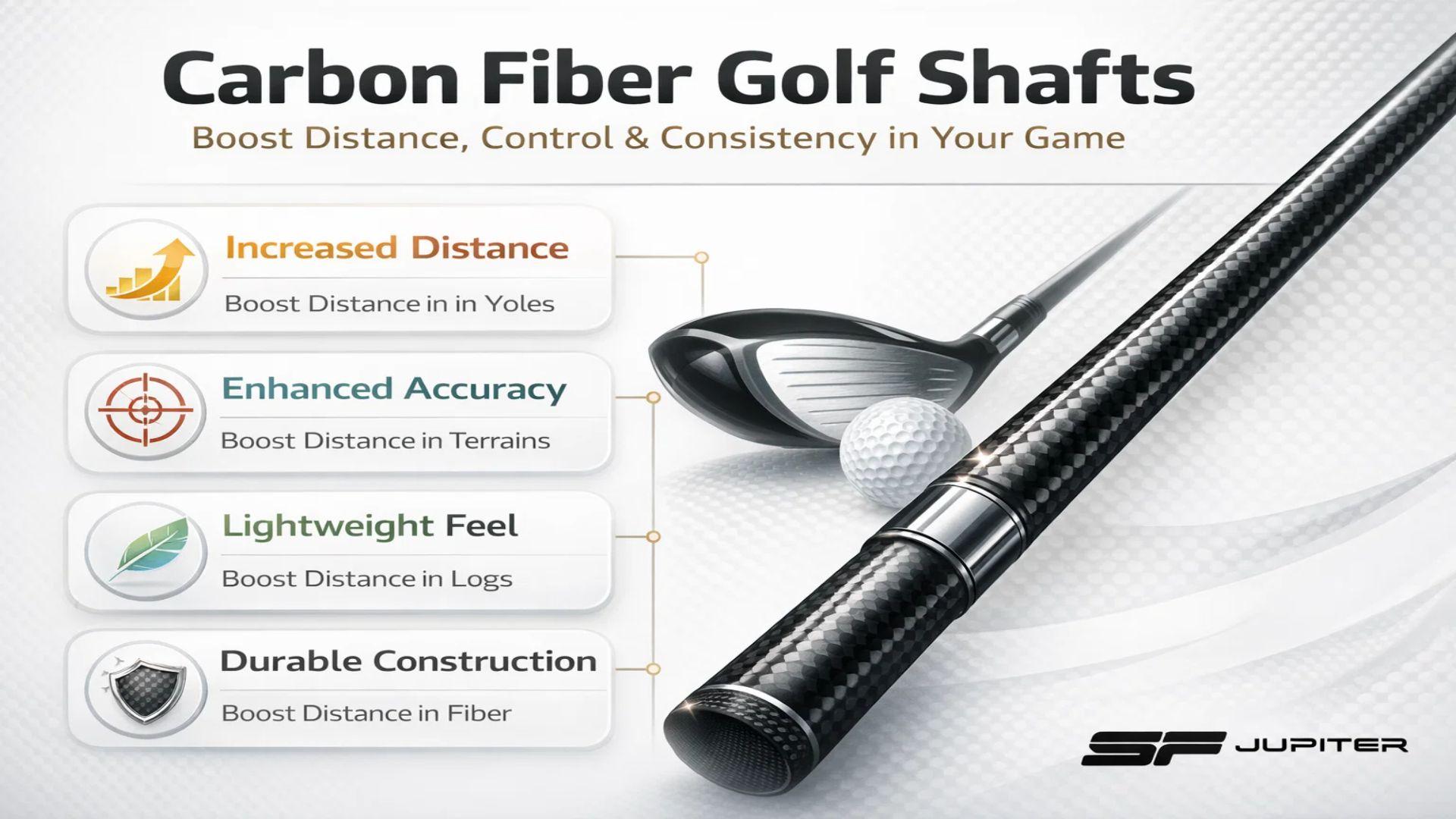
Upgrade your performance with carbon fiber golf shafts designed for more distance, better control, and consistent ball flight. Explore premium shafts at Steadfast Golf and save up to 60%. Improve Your Performance with Carbon Fiber Golf Shafts Golf equipment has come a long way, and one of the most effective upgrades today is switching to carbon fiber golf shafts. Unlike traditional materials,...
The companion diagnostics oncology market is a rapidly expanding segment within the broader precision medicine, molecular diagnostics, and oncology therapeutics ecosystem, centered on diagnostic tests designed to identify specific biomarkers that determine a patient’s likelihood of responding to targeted cancer therapies. Companion diagnostics are increasingly becoming essential...