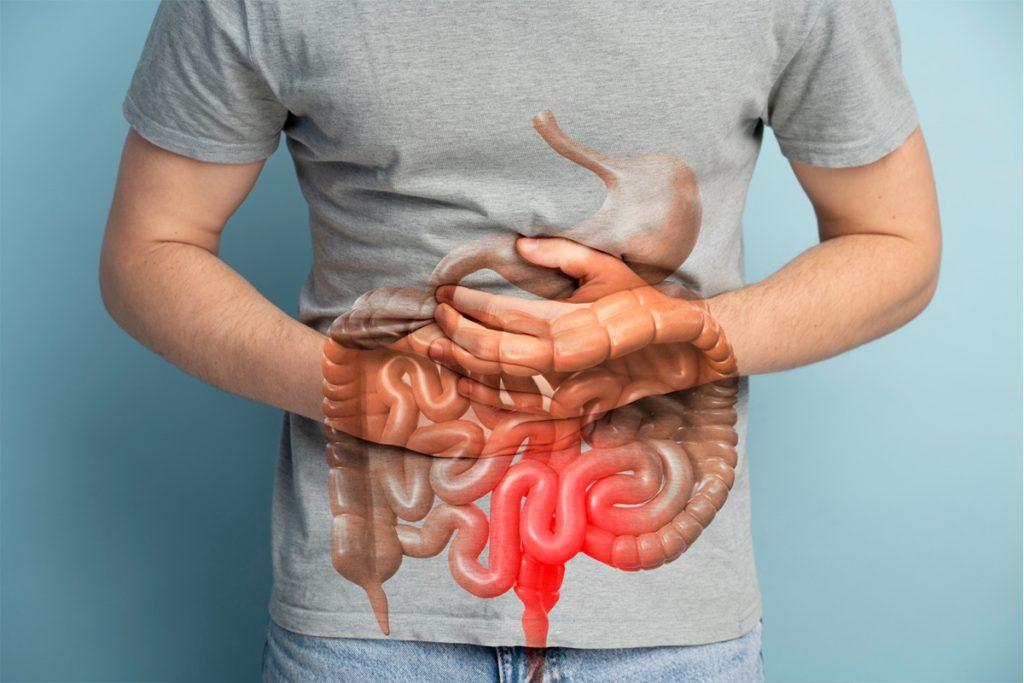
Good digestion is one of the most important foundations of overall health and well-being. A healthy digestive system helps the body absorb nutrients properly, maintain energy levels, strengthen immunity, and remove waste efficiently. When digestion works smoothly, the entire body functions better.
However, modern lifestyles often include unhealthy eating habits, stress, processed foods, lack of exercise, and poor sleep routines. These factors can negatively affect digestion and lead to discomfort such as bloating, acidity, constipation, and indigestion.
Maintaining strong digestive health is not only about preventing stomach issues. A healthy gut also supports mental clarity, emotional balance, skin health, and overall energy. By making simple daily lifestyle improvements, you can naturally support your digestive system and improve long-term wellness.
This guide explains practical and sustainable ways to improve gut health and maintain a healthier lifestyle.
Understanding the Digestive System
The digestive system is a group of organs that work together to process food and absorb nutrients. Digestion begins in the mouth and continues through the stomach, intestines, liver, pancreas, and other supporting organs.
When food enters the body, it is broken down into smaller nutrients that provide energy, support growth, and help repair tissues. Waste materials are then removed through regular bowel movements.
A healthy digestive system allows nutrients to be absorbed effectively while supporting the body’s natural balance. Poor digestion can interfere with energy production, immunity, and overall comfort.
Supporting digestive health helps the body function more efficiently and promotes better overall wellness.
The Importance of Gut Microbiome
Inside the digestive tract lives a large community of beneficial bacteria known as the gut microbiome. These microorganisms play an important role in digestion, nutrient absorption, immunity, and overall health.
A balanced microbiome helps break down food properly, produce essential vitamins, and protect the body from harmful bacteria. When this balance is disturbed, digestive discomfort and inflammation may occur.
Healthy lifestyle habits support strong digestive health by maintaining a healthy balance of beneficial gut bacteria. Diet, sleep, stress levels, hydration, and physical activity all influence the condition of the microbiome.
A healthy gut environment supports smoother digestion and improved overall well-being.
Common Causes of Digestive Problems
Several daily habits can negatively affect digestion. One major cause is consuming highly processed foods, excessive sugar, and unhealthy fats. These foods can disrupt the digestive system and reduce nutrient absorption.
Lack of physical activity may also slow digestion and contribute to bloating or constipation. Emotional stress and anxiety often affect the stomach and intestines, leading to discomfort and irregular digestion.
Other common causes include:
- Skipping meals
- Eating too quickly
- Overeating
- Poor hydration
- Irregular sleep patterns
Understanding these causes can help you make healthier choices and improve digestive balance naturally.
Signs of Poor Digestive Health
The body often gives warning signs when digestion is not functioning properly. Common symptoms include:
- Bloating
- Gas
- Constipation
- Acidity
- Stomach discomfort
- Irregular bowel movements
Poor digestion may also affect energy levels, skin appearance, focus, and mood. In some cases, digestive imbalance can reduce nutrient absorption, leaving the body feeling weak or tired.
Recognizing these signs early allows you to take corrective action and improve digestive health before problems become more serious.
Healthy Eating Habits for Better Digestion
Good nutrition plays a key role in supporting digestion. Eating balanced meals and practicing mindful eating habits can greatly improve digestive comfort.
Chewing food slowly helps the stomach process food more efficiently. Eating at regular times also supports a healthy digestive rhythm.
A digestion-friendly diet should include:
- Fresh fruits and vegetables
- Whole grains
- Fiber-rich foods
- Lean proteins
- Healthy fats
Avoid overeating and try not to eat heavy meals late at night. Drinking enough water throughout the day also helps support digestion and nutrient absorption.
Consistent healthy eating habits naturally strengthen digestive health and improve overall wellness.
Importance of Fiber and Hydration
Fiber is essential for smooth digestion and healthy bowel movements. It helps move waste through the digestive tract and supports beneficial gut bacteria.
There are two important types of fiber:
- Soluble fiber, which helps digestion and supports heart health
- Insoluble fiber, which helps prevent constipation and supports regular bowel movements
Hydration is equally important because water helps break down food and transport nutrients throughout the body. Proper hydration also supports waste elimination and prevents digestive discomfort.
Together, fiber and hydration form the foundation of strong digestive health.
Lifestyle Habits That Support Digestion
Daily lifestyle habits greatly affect digestive function. Regular movement and exercise help stimulate digestion and improve metabolism.
Simple activities such as walking, stretching, yoga, or light exercise can support smoother digestion and reduce bloating.
Sleep is another important factor. Poor sleep may affect hormones and digestive balance, making stomach discomfort more likely. A well-rested body supports better digestion and stronger gut function.
Maintaining a balanced routine with healthy meals, physical activity, and proper rest helps improve digestive health naturally.
Stress and Digestive Health
Stress has a direct connection to the digestive system. High stress levels can slow digestion and increase symptoms like bloating, acidity, and stomach discomfort.
Long-term stress may weaken digestive function and disturb the balance of healthy gut bacteria. Emotional well-being is therefore an important part of maintaining digestive health.
Relaxation practices such as meditation, deep breathing, spending time outdoors, and mindfulness can help reduce stress and support better digestion.
Managing stress effectively improves both mental and digestive wellness.
Foods That Support Gut Health
Certain foods naturally support digestion and help maintain a healthy gut environment. These include:
- Fresh fruits
- Leafy green vegetables
- Whole grains
- Yogurt and fermented foods
- Nuts and seeds
These foods provide nutrients and encourage the growth of beneficial gut bacteria.
At the same time, reducing processed foods, excessive sugar, and greasy meals can help prevent digestive discomfort and improve nutrient absorption.
A balanced and varied diet is one of the best ways to maintain strong digestive health.
Common Digestive Mistakes to Avoid
Many digestive issues are caused by simple daily habits that can be improved. Common mistakes include:
- Eating too fast
- Skipping meals
- Overeating
- Poor hydration
- Excessive junk food intake
- Lack of exercise
- Late-night heavy meals
Excessive caffeine and sugary drinks may also disturb digestive balance when consumed in large amounts.
Avoiding these habits can significantly improve digestion and long-term wellness.
Building a Healthy Daily Routine
Creating a healthy daily routine supports better digestion and overall balance. Start the day with water and light movement to activate the digestive system.
Eating meals at consistent times helps regulate digestion and prevents unnecessary strain on the stomach. Short walks after meals can also support healthy digestion.
Prioritizing sleep, hydration, and stress management allows the body to recover properly and maintain healthy digestive function.
Small daily improvements can lead to significant long-term benefits for digestive health.
Long-Term Strategies for Digestive Wellness
Improving digestion requires consistency and long-term healthy habits. Quick fixes rarely provide lasting results.
Focus on:
- Balanced nutrition
- Regular physical activity
- Stress management
- Proper sleep
- Adequate hydration
Avoid sudden extreme diets or unhealthy eating patterns that may disrupt digestive balance.
Over time, these healthy habits strengthen digestive health, improve energy levels, and support overall wellness.
Conclusion
Digestive wellness is essential for maintaining a healthy and energetic life. A properly functioning digestive system supports nutrient absorption, immunity, mental clarity, and overall well-being.
By following balanced eating habits, staying active, managing stress, and maintaining a healthy routine, you can naturally improve digestion and support long-term gut health.
Small daily lifestyle changes can create lasting improvements over time. Consistency, patience, and mindful habits are the keys to better digestive wellness and a healthier life.
This product may be helpful in supporting digestive comfort and maintaining healthy gut balance.