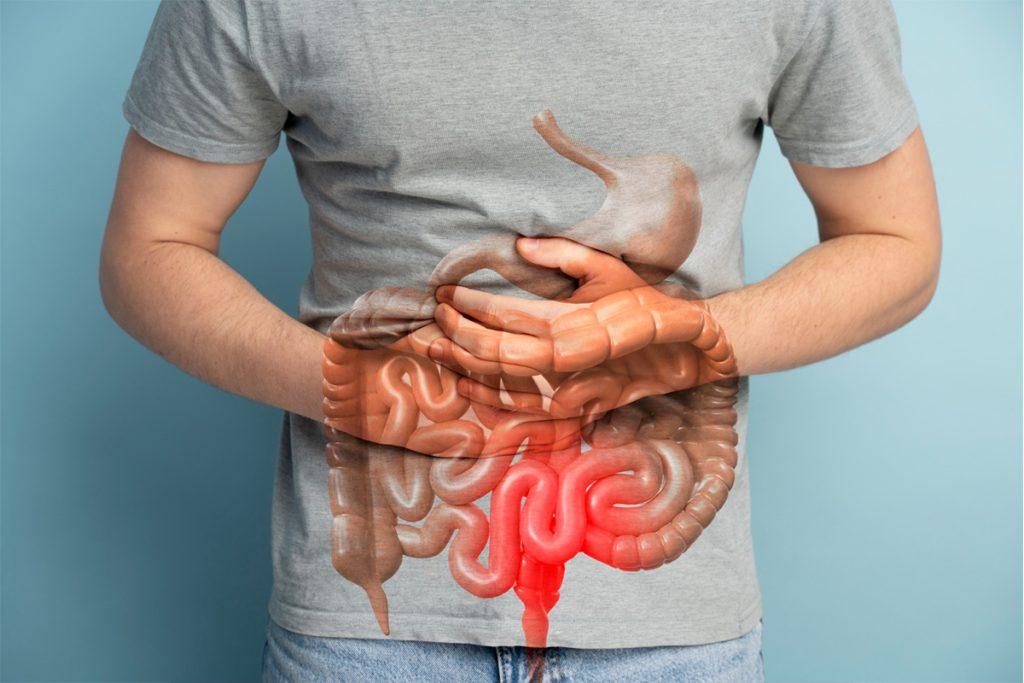
Digestive health is one of the most important parts of overall well-being, yet many people only pay attention to it when problems begin to appear. A healthy digestive system helps the body break down food, absorb nutrients, produce energy, and remove waste efficiently. When digestion works properly, you often feel lighter, more energetic, and mentally refreshed. However, when the digestive system becomes unbalanced, it can lead to discomfort, fatigue, and reduced daily performance.
Modern lifestyles have increased common digestive concerns such as bloating, acidity, constipation, gas, and irregular bowel movements. Poor eating habits, stress, lack of movement, and unhealthy routines are some of the major reasons behind these issues. Fortunately, simple lifestyle improvements can naturally support better digestion and long-term wellness.
A healthy digestive system also depends on strong gut balance. Good gut health supports digestion, immunity, energy levels, and overall body function. When the gut is balanced, the body performs more efficiently and feels healthier from within.
This guide explains how digestion works, what affects digestive wellness, and practical ways to naturally improve gut health through daily habits.
Understanding the Digestive System
Digestion is a complex process that begins as soon as food enters the mouth. Each organ in the digestive system plays a role in breaking food down into nutrients that the body can use for energy and repair.
The process begins with chewing and saliva production in the mouth. Food then travels to the stomach, where acids and enzymes continue breaking it down. Nutrients are absorbed in the small intestine, while the large intestine processes waste and prepares it for elimination.
When the digestive system functions properly, the body absorbs nutrients efficiently and maintains healthy energy levels. Even small imbalances, however, can disturb this process and lead to discomfort or digestive issues.
Maintaining healthy gut balance supports smooth digestion, improves nutrient absorption, and contributes to stronger overall wellness.
The Importance of Gut Health
Inside the digestive system are trillions of microorganisms known as the gut microbiome. These include both beneficial and harmful bacteria. A healthy body maintains a proper balance between them.
Good bacteria help digest food, support vitamin production, strengthen immunity, and protect the body from harmful organisms. They may also influence mood, focus, and energy levels.
When this balance is disturbed, digestion may become weaker and symptoms such as bloating, discomfort, or irregular bowel movements can appear.
Strong gut health supports:
- Better digestion
- Improved nutrient absorption
- Stronger immunity
- More stable energy levels
- Better overall wellness
Daily lifestyle choices play a major role in maintaining this internal balance.
Common Causes of Digestive Problems
Many modern habits can negatively affect digestion and gut balance.
Poor Diet Choices
Processed foods, sugary snacks, greasy meals, and unhealthy fats may slow digestion and increase discomfort.
Stress and Anxiety
Stress affects digestion by slowing down the digestive process and increasing stomach discomfort.
Lack of Physical Activity
A sedentary lifestyle may reduce digestive efficiency and slow the movement of food through the intestines.
Irregular Eating Habits
Skipping meals, overeating, or eating too quickly can disturb the body’s natural digestive rhythm.
Poor Sleep
Inadequate sleep may affect digestion, hormone balance, and appetite control.
Understanding these causes can help improve long-term digestive wellness.
Signs Your Digestive System May Need Support
The body often gives warning signs when digestion is not functioning properly. Common symptoms may include:
- Bloating after meals
- Frequent gas
- Constipation
- Diarrhea
- Stomach discomfort
- Low energy after eating
- Difficulty concentrating
In some cases, poor gut balance may also affect skin health, mood, and daily energy levels.
Recognizing these signs early can help prevent long-term digestive problems.
Why a Balanced Diet Matters
Healthy eating is one of the best ways to support digestion naturally. A balanced diet provides the nutrients needed for proper digestive function and overall wellness.
Foods that support digestion include:
- Fresh fruits
- Vegetables
- Whole grains
- Nuts and seeds
- Legumes
These foods are rich in fiber, vitamins, and nutrients that support smooth digestion and healthy bowel movements.
Reducing processed foods and excessive sugar intake may also help reduce digestive discomfort and improve gut health over time.
The Role of Fiber in Digestion
Fiber is essential for maintaining a healthy digestive system. It helps food move smoothly through the intestines and supports healthy gut bacteria.
There are two main types of fiber:
Soluble Fiber
This type absorbs water and forms a gel-like texture that supports smoother digestion.
Insoluble Fiber
This type adds bulk to stool and helps prevent constipation.
Both forms of fiber contribute to healthy digestion and long-term gut wellness.
A fiber-rich diet can naturally improve digestive comfort and support regular bowel movements.
Hydration and Digestive Wellness
Water plays a key role in digestion. It helps break down food, absorb nutrients, and remove waste from the body efficiently.
Without enough hydration, digestion may become slower and less comfortable. Dehydration can contribute to constipation, bloating, and stomach discomfort.
Drinking enough water throughout the day helps maintain healthy digestion and supports better gut health naturally.
Physical Activity and Digestion
Regular movement supports healthy digestion by improving the movement of food through the digestive tract.
Simple activities such as:
- Walking
- Stretching
- Yoga
- Cycling
- Light exercise
can improve digestion and reduce bloating.
Even a short walk after meals may help improve comfort and digestive efficiency.
Consistency is more important than intense workouts when it comes to digestive wellness.
How Stress Affects the Gut
Stress is one of the most overlooked causes of digestive problems. When stress levels rise, the body releases hormones that can slow digestion and create discomfort.
Long-term stress may contribute to:
- Bloating
- Stomach pain
- Irregular bowel movements
- Changes in appetite
Relaxation techniques such as deep breathing, meditation, spending time outdoors, or listening to calming music may help reduce stress and support better digestion.
A calm mind often supports a healthier digestive system.
Sleep and Digestive Health
Sleep is essential for restoring the body and maintaining healthy digestion. During rest, the body repairs tissues, balances hormones, and supports digestive recovery.
Poor sleep may lead to:
- Increased cravings
- Slower digestion
- Low energy
- Reduced nutrient absorption
Maintaining a consistent sleep schedule and getting enough rest can naturally support gut health and overall wellness.
Foods That Naturally Support Digestion
Certain foods may help improve digestive balance and support healthy gut bacteria.
Helpful options include:
- Leafy vegetables
- Fresh fruits
- Whole grains
- Yogurt and fermented foods
- Legumes and seeds
These foods provide nutrients that support digestive function and reduce discomfort.
Limiting heavily processed and fried foods may also help maintain healthier digestion.
Daily Habits for Better Digestive Health
Simple daily habits can create long-term improvements in digestion.
Helpful habits include:
- Eating slowly
- Chewing food properly
- Staying hydrated
- Maintaining regular meal times
- Staying physically active
- Reducing stress
Small improvements practiced consistently can strengthen gut health over time.
Common Habits That Harm Digestion
Some everyday habits may weaken the digestive system without people realizing it.
These include:
- Skipping meals
- Eating too quickly
- Overeating
- Excess junk food consumption
- Poor sleep habits
- Chronic stress
Avoiding these habits can help protect digestive wellness and improve overall comfort.
Building a Healthy Long-Term Routine
Digestive wellness improves gradually through consistency rather than quick fixes.
A healthy lifestyle that includes:
- Balanced nutrition
- Daily movement
- Good sleep
- Proper hydration
- Stress management
can support long-term digestive health and overall wellness.
Listening to your body and making mindful choices every day can create lasting positive changes.
Final Thoughts
Digestive health is an essential part of living a healthy and active life. When the digestive system functions properly, the body absorbs nutrients efficiently, energy levels improve, and daily comfort increases.
Healthy eating, regular exercise, hydration, quality sleep, and stress management all work together to support better digestion and stronger gut health.
Small daily improvements can create long-term results and improve overall quality of life naturally.
In addition to maintaining healthy lifestyle habits, some digestive wellness products may also help support gut balance and digestive comfort when combined with proper nutrition and self-care routines.
Prioritizing digestive health today can lead to better energy, improved wellness, and a healthier future overall.