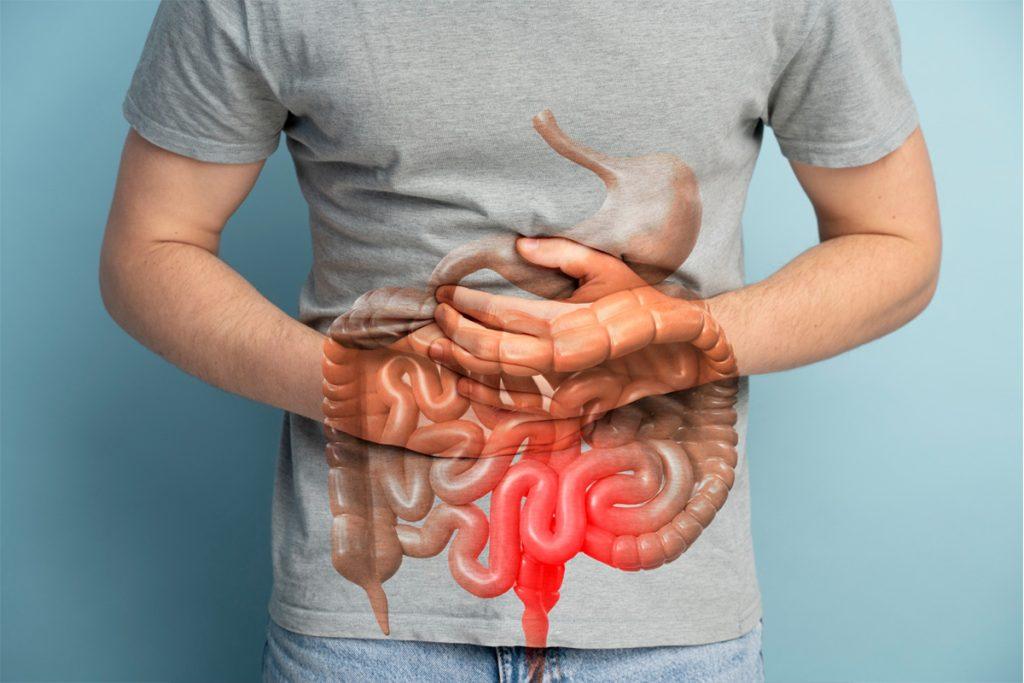
Digestive wellness is one of the most important foundations of overall health, yet it is often ignored until problems appear. Every day, the food you consume goes through a complex internal process that directly affects your energy levels, immunity, mood, and overall performance. When digestion is working well, the body feels light, active, and balanced. When it is disturbed, even simple daily tasks can feel tiring and uncomfortable.
In recent years, awareness around gut health has increased significantly. The gut is not just responsible for digestion—it is closely linked to the immune system, brain function, and emotional balance. Many experts refer to it as the “second brain” because of its strong influence on physical and mental well-being.
Modern lifestyle habits such as processed food intake, irregular sleep patterns, stress, and lack of physical activity have made digestive issues more common across all age groups. Problems like bloating, gas, acidity, constipation, and fatigue are now widely experienced.
The good news is that digestive health can be improved naturally. With simple lifestyle adjustments, mindful eating, and consistent daily habits, it is possible to strengthen the digestive system and support long-term gut balance.
How the Digestive System Works
The digestive system is responsible for breaking down food and absorbing nutrients. The process begins when food enters the mouth and ends when waste is eliminated from the body.
- Mouth – Chewing and saliva begin the digestion process.
- Esophagus – Food moves from the mouth to the stomach.
- Stomach – Acids and enzymes break food into a semi-digested form.
- Small Intestine – Nutrients are absorbed into the bloodstream.
- Large Intestine – Water is absorbed and waste is prepared for elimination.
Each stage plays a vital role. If any part becomes weak or imbalanced, overall digestion can be affected, making gut health essential for proper nutrient absorption and comfort.
Why Gut Health Matters
The gut contains trillions of microorganisms known as the gut microbiome. These include both beneficial and harmful bacteria. A healthy balance between them is essential for smooth digestion.
A balanced gut supports:
- Efficient digestion of food
- Better nutrient absorption
- Stronger immunity
- Improved mental clarity
- Reduced inflammation
When this balance is disrupted, digestive discomfort and health issues may begin to appear. Gut health therefore influences the entire body, not just digestion.
Causes of Poor Digestion
Several everyday habits can gradually weaken digestive health:
1. Unhealthy Eating Habits
Frequent consumption of fried, processed, and sugary foods can disturb digestion.
2. High Stress Levels
Stress affects hormone balance and slows down digestive function.
3. Lack of Physical Activity
A sedentary lifestyle reduces gut movement and slows digestion.
4. Irregular Meal Timing
Skipping meals or eating at inconsistent times confuses the digestive system.
5. Poor Sleep Quality
Inadequate sleep disrupts natural body rhythms and affects digestion.
Over time, these habits can significantly impact gut health.
Signs of Digestive Imbalance
The body often shows early signs when digestion is not functioning properly:
- Frequent bloating after meals
- Excess gas or discomfort
- Constipation or irregular bowel movements
- Fatigue after eating
- Acid reflux or stomach irritation
- Unusual cravings or loss of appetite
These symptoms may indicate that gut health needs attention and lifestyle correction.
Diet and Its Role in Digestion
Food is one of the most powerful factors influencing digestive health. A balanced diet supports smooth digestion and long-term gut stability.
Foods That Support Digestion
- Apples, bananas, papaya, and other fruits
- Leafy green vegetables
- Whole grains like oats and brown rice
- Lentils, legumes, nuts, and seeds
These foods are rich in fiber and essential nutrients that support digestion.
Foods to Limit
- Deep-fried foods
- Processed and packaged items
- Excess sugar and sweets
- Carbonated beverages
Reducing these helps improve gut balance and digestive comfort.
Fiber: Essential for Gut Health
Fiber plays a key role in maintaining healthy digestion. It supports bowel movement and feeds beneficial gut bacteria.
- Soluble fiber helps soften stool and supports gut bacteria
- Insoluble fiber adds bulk and prevents constipation
A fiber-rich diet is one of the simplest and most effective ways to improve gut health naturally.
Hydration and Digestion
Water is essential for proper digestion and nutrient absorption. It helps break down food and supports waste removal.
Low water intake can lead to slow digestion, bloating, and constipation. Drinking enough water throughout the day keeps the digestive system active and efficient.
Physical Activity and Gut Function
Movement helps stimulate the digestive system and improves gut efficiency.
Helpful activities include:
- Walking after meals
- Yoga and stretching
- Light jogging
- Daily physical movement
Even 15–20 minutes of walking daily can improve digestion and reduce discomfort.
Stress and Digestive Health
Stress is one of the major hidden causes of digestive issues. When the body is under stress, digestion slows down as energy is redirected elsewhere.
This may lead to:
- Indigestion
- Stomach cramps
- Bloating
- Loss of appetite
Managing stress through relaxation techniques, breathing exercises, or hobbies is important for maintaining gut health.
Sleep and Digestive Balance
Sleep allows the body to restore and repair itself, including the digestive system.
Poor sleep may result in:
- Slower metabolism
- Increased cravings
- Digestive imbalance
A consistent sleep routine supports better digestion and overall well-being.
Foods That Support Gut Health
Certain foods naturally encourage the growth of beneficial gut bacteria:
- Yogurt and fermented foods
- Fresh fruits and vegetables
- Whole grains
- Herbal teas
- Lentils and pulses
These foods help maintain a balanced gut environment and improve digestion over time.
Common Mistakes That Harm Digestion
Many people unknowingly damage their digestive system through daily habits:
- Eating too quickly
- Overeating
- Skipping meals
- Late-night eating
- Lack of exercise
- Not drinking enough water
Avoiding these habits is important for maintaining long-term gut health.
Building a Healthy Daily Routine
A consistent routine supports better digestive function:
- Morning hydration and light activity
- Balanced meals at regular times
- Short breaks to reduce stress
- Adequate physical movement
- Proper sleep schedule
Consistency helps the body maintain stable digestion and better gut balance.
Long-Term Digestive Wellness
Improving digestion is a gradual process that requires consistency rather than quick fixes. Long-term habits create lasting results.
Focus on:
- Healthy eating patterns
- Regular physical activity
- Stress management
- Proper hydration
- Quality sleep
Over time, these habits strengthen digestion and support overall wellness, energy, and immunity.
Conclusion
Digestive health is closely linked to overall physical and mental well-being. When the digestive system functions properly, the body feels energetic, the mind stays clear, and immunity becomes stronger.
Improving gut health does not require complex routines. It depends on simple, consistent lifestyle choices that support balance and stability.
By focusing on nutrition, hydration, movement, sleep, and stress control, you can naturally build a strong digestive system and support long-term wellness.
Some natural health products and supplements may also help support digestive balance when combined with a healthy lifestyle and proper daily habits.