Effective Weight Loss Tips for a Healthy Lifestyle Guide

Weight management is one of the most common health goals worldwide. Today’s fast-paced lifestyle, combined with poor eating habits, low physical activity, stress, and irregular sleep patterns, has made it challenging for many people to maintain a healthy body weight.
However, achieving a fit and healthy body is not about crash diets or extreme shortcuts. It is about building sustainable habits that support long-term wellness.
This guide shares simple, practical, and science-based strategies to help you improve your lifestyle, understand your body better, and move toward steady and healthy progress.
Understanding Healthy Weight Management
Many people misunderstand weight loss and assume that skipping meals or following strict diets will bring quick results. In reality, the body needs balanced nutrition, regular movement, and proper rest to function properly.
Weight loss occurs when the body burns more calories than it consumes, known as a calorie deficit. But this does not mean starving yourself. Instead, it involves making healthier food choices and staying physically active in a sustainable way.
A healthy approach is built on three key foundations:
- Balanced diet
- Regular exercise
- Consistent daily habits
When these three elements are maintained together, the body gradually responds in a positive and natural way.
Importance of Nutrition
Food plays a central role in overall health and body composition. What you eat affects your energy, digestion, mood, and physical performance.
A balanced diet should include:
- Fresh fruits and vegetables
- Whole grains
- Protein-rich foods
- Healthy fats
- Sufficient water intake
Rather than focusing on restriction, the goal should be nourishment. Eating a variety of natural foods ensures your body gets the vitamins and minerals it needs.
Portion control is also very important. Even healthy foods can contribute to weight gain if consumed in excess. Learning to recognize hunger and fullness signals helps maintain balance.
It is also beneficial to reduce processed foods, sugary snacks, and deep-fried items, as they are often high in calories but low in nutrients.
Role of Physical Activity
Regular movement is essential for a healthy lifestyle. Exercise helps burn calories, strengthens the heart, builds muscle, and improves mental well-being.
Common forms of physical activity include:
- Walking
- Running or jogging
- Cycling
- Swimming
- Strength training
- Yoga
The best exercise is the one you can do consistently. Even 30 minutes of daily movement can significantly improve energy levels and fitness.
Physical activity also boosts metabolism and helps the body use stored fat for energy. In addition, it reduces stress, which often contributes to unhealthy eating habits.
Building Healthy Daily Habits
Small daily habits create long-term results. Instead of making drastic changes, focus on gradual improvements.
Helpful habits include:
- Drinking enough water
- Eating meals on time
- Avoiding late-night snacking
- Getting quality sleep
- Managing stress effectively
Sleep plays a major role in recovery and hormone balance. Poor sleep can increase hunger and cravings, making weight management more difficult.
Stress control is equally important. High stress levels can trigger emotional eating and disrupt healthy routines. Practices like meditation, deep breathing, or hobbies can help maintain balance.
How the Body Transforms
The body stores excess energy as fat when calorie intake is higher than what is used. When energy is needed, the body uses these stored reserves.
Metabolism differs from person to person based on age, gender, genetics, and muscle mass. This explains why results vary between individuals even if they follow similar routines.
Instead of comparing yourself with others, focus on your own progress. Consistency matters more than speed.
Common Mistakes to Avoid
Many people struggle with weight loss due to incorrect habits, such as:
- Skipping meals – can slow metabolism and increase overeating later
- Following fad diets – often unsustainable and short-term
- Ignoring strength training – muscle is important for metabolism
- Lack of consistency – results require time and effort
- Poor sleep habits – affect hunger hormones and energy levels
Avoiding these mistakes can greatly improve long-term success.
Mental Health and Motivation
Mental strength is just as important as physical effort. Staying motivated can be difficult, especially when progress feels slow.
Instead of focusing only on weight, track other improvements such as:
- Higher energy levels
- Better sleep quality
- Improved mood
- Increased stamina
These signs show real progress even if the scale does not change quickly.
Positive thinking, discipline, and a supportive environment can significantly improve long-term results.
Sustainable Lifestyle Approach
A sustainable approach focuses on habits that can be maintained for life, not just for a short period.
A balanced lifestyle includes:
- Healthy eating most of the time
- Regular physical activity
- Flexibility in moderation
- Proper rest and recovery
Extreme restrictions often lead to burnout. Allowing occasional treats in moderation helps maintain balance and consistency.
Staying Consistent
Consistency is the most important factor for long-term success.
Simple strategies include:
- Setting realistic goals
- Tracking progress
- Being patient
- Building a routine that fits your lifestyle
- Avoiding comparison with others
Even small daily efforts can lead to major long-term changes.
Importance of Hydration
Water is essential for digestion, metabolism, and overall body function.
Sometimes thirst is mistaken for hunger, leading to unnecessary eating. Staying well-hydrated can help control appetite and support natural weight management.
Drinking water regularly throughout the day also improves digestion and energy levels.
Long-Term Success Mindset
True success comes from adopting a long-term perspective. Instead of chasing quick fixes, focus on building healthy habits that last.
Progress may be slow at times, but steady improvement is more reliable than temporary results. Over time, healthy habits become part of your lifestyle, making fitness easier to maintain.
Conclusion
Achieving a healthy body is a gradual journey that requires patience, balance, and consistency. There is no single perfect method for everyone, but combining proper nutrition, regular exercise, and healthy habits leads to meaningful results.
Every small step matters. Focus on long-term progress instead of perfection. With consistency and discipline, healthy living becomes a natural and sustainable part of life.
الأقسام
إقرأ المزيد
Stopping elite offenses in College Football 26 requires more than simply calling default zone or man coverages. High-level players thrive in meta formations with College Football 26 Coins such as Trips Tight End, spamming verticals, drags, seam shots, crossers, and corner routes that stress both man and zone principles. Traditional split-field coverages leave too many voids, and pure man...

Prioritize Double XP Events Double XP weekends or special XP boost events are a common feature in Call of Duty games, and they can make leveling up much faster. During these events, all XP earned is doubled, meaning you can progress through levels much more quickly than during regular gameplay. How to Make the Most of Double XP Events Play During Peak Times: If you know an event is coming, plan...

Zinman was once celebrated as the foremost architect during the era of Sunfire Castle, known for his unmatched mastery in combining architectural science with artistic design. It's important to understand that hero statistics have different effects depending on the game mode: exploration mode activates hero stats, while troop stat buffs come into play during expedition mode. For a deeper dive...
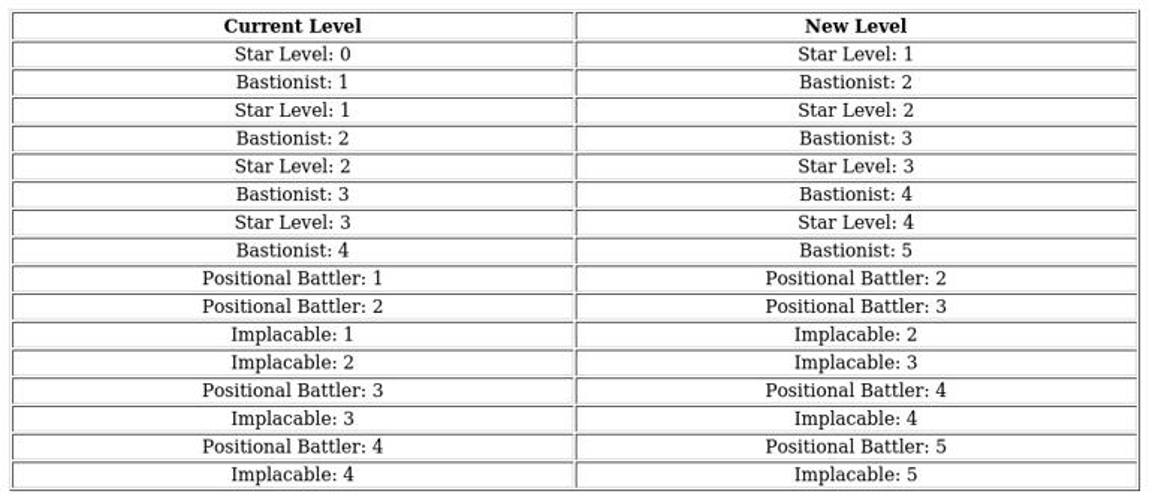
Kollaboration: Honkai & Fate Die lang erwartete Kollaboration zwischen Honkai: Star Rail und dem bekannten Universum Fate/Stay Night wurde kürzlich offiziell bestätigt. Dieses aufregende Event bringt frischen Wind in das Spiel und beinhaltet ein bedeutendes Update, das zahlreiche Neuerungen und Inhalte bereithält. Spieler dürfen sich auf eine spannende Kampagne freuen,...

Show Cause Notice – Taxation Consultancy Guide for the General Public Introduction Have you ever opened your mailbox or email and felt your heart skip a beat because of an official notice from a government authority? If you’ve received a show cause notice, you know exactly what that feels like. It can be confusing, stressful, and sometimes even frightening. But here’s the...