Fiber glass is one of the most widely used composite materials in modern industries. It is known for its lightweight structure, high strength, durability, and resistance to heat and corrosion. Fiber glass is commonly used in construction, automotive parts, boats, insulation, and aerospace applications. Many people use products made from fiber glass every day, but they often do not know what materials are used to make it. Understanding what fiber glass is made out of helps explain why it is such a versatile and reliable material in industrial and commercial applications.
What Is Fiber Glass?
Fiber glass is a reinforced plastic material made from extremely fine glass fibers combined with resin. The glass fibers provide strength and stiffness, while the resin binds the fibers together and gives shape to the final product. This combination creates a material that is lightweight yet strong enough for demanding applications. Fiber glass is considered a composite material because it combines two or more materials with different properties to create a stronger and more useful product.
Main Materials Used in Fiber Glass
Fiber glass is primarily made from silica sand, limestone, soda ash, and other minerals. Silica sand is the main ingredient because it contains silicon dioxide, which forms the basic structure of glass. Limestone is added to improve durability and chemical resistance. Soda ash helps lower the melting temperature during manufacturing, making the production process more efficient. Additional materials such as borax, alumina, and feldspar may also be included to improve specific properties like strength, flexibility, and thermal resistance.
Role of Silica Sand in Fiber Glass
Silica sand is the most important raw material used in fiber glass production. It provides the silicon dioxide needed to form glass fibers. High-purity silica sand is preferred because impurities can affect the quality and strength of the final product. During manufacturing, silica sand is melted at high temperatures to create molten glass. This molten material is then converted into thin fibers. The strength and stability of fiber glass largely depend on the quality of the silica used in production.
Importance of Limestone and Soda Ash
Limestone and soda ash are essential additives in fiber glass manufacturing. Limestone improves the chemical durability and hardness of the glass fibers. It also helps stabilize the structure of the material. Soda ash reduces the melting temperature of silica, which lowers energy consumption during manufacturing. Without soda ash, producing glass fibers would require much higher temperatures, making the process more expensive and less efficient. Together, these materials help create strong and durable fiber glass products.
Manufacturing Process of Fiber Glass
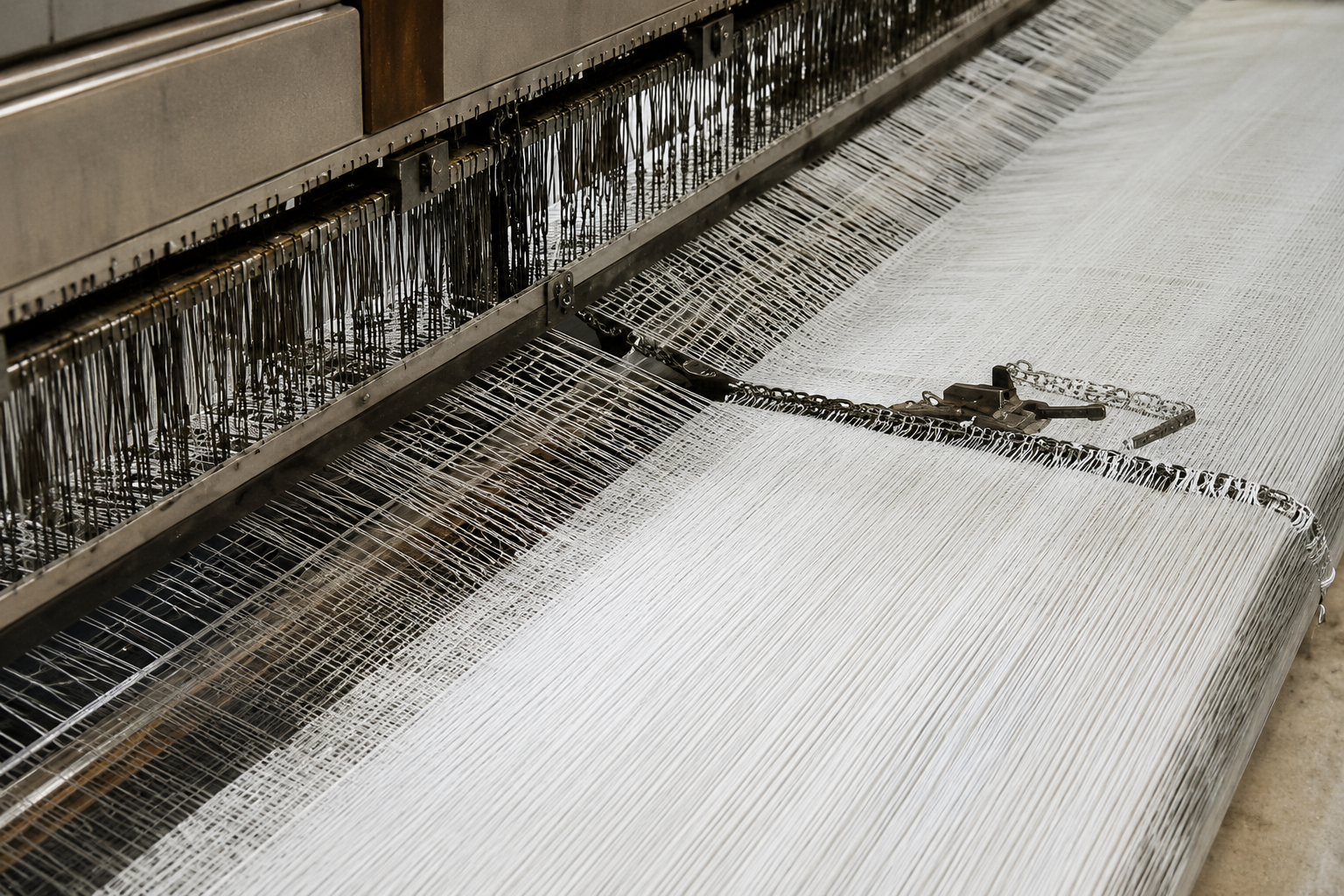
The manufacturing process of fiber glass begins by mixing raw materials such as silica sand, limestone, and soda ash in specific proportions. These materials are heated in a furnace at temperatures above 1400°C until they melt into molten glass. The molten glass is then forced through tiny holes in a device called a bushing, forming thin continuous fibers. These fibers are cooled, coated with protective chemicals, and collected into strands or mats. Finally, the fibers are combined with resin to create fiber glass products used in different industries.
Types of Fiber Glass
There are several types of fiber glass, each designed for specific applications. E-glass is the most common type and is widely used for electrical insulation and structural applications. S-glass offers higher strength and is commonly used in aerospace and military applications. C-glass provides excellent chemical resistance and is used in corrosive environments. Other specialized forms of fiber glass are developed for thermal insulation, marine applications, and high-performance engineering products.
Properties of Fiber Glass
Fiber glass has many valuable properties that make it suitable for industrial use. It is lightweight yet very strong, allowing manufacturers to reduce overall product weight without sacrificing durability. It has excellent resistance to corrosion, chemicals, and moisture. Fiber glass also provides good thermal and electrical insulation properties. Another important feature is its flexibility in design, as it can be molded into complex shapes for different applications. These properties make fiber glass useful in construction, transportation, and engineering industries.
Applications of Fiber Glass
Fiber glass is used in a wide variety of industries and products. In construction, it is used for roofing materials, wall panels, insulation, and reinforcement. In the automotive industry, fiber glass is used to manufacture body panels, bumpers, and interior components. Boats and marine equipment often use fiber glass because it resists water and corrosion. In aerospace, it is used for lightweight structural components. Fiber glass is also widely used in wind turbine blades, storage tanks, pipes, and sports equipment.
Advantages of Fiber Glass
One major advantage of fiber glass is its high strength-to-weight ratio. It provides strong structural performance while remaining lightweight. Fiber glass is also resistant to rust, chemicals, and environmental damage, which increases product lifespan. It requires low maintenance and offers excellent insulation properties. Another benefit is its cost-effectiveness compared to many metal materials. Because it can be molded into various shapes, manufacturers can create customized designs for different industrial applications.
Limitations of Fiber Glass
Despite its many advantages, fiber glass also has some limitations. It can become brittle under excessive stress or impact. During manufacturing and handling, small glass fibers may irritate the skin, eyes, and respiratory system if proper safety measures are not followed. Fiber glass is also more difficult to recycle compared to some traditional materials. In certain high-temperature applications, special fiber glass formulations may be required to maintain performance and durability.
Safety and Environmental Considerations
Proper safety procedures are important when working with fiber glass materials. Protective gloves, masks, and safety glasses are commonly used to prevent irritation caused by glass fibers. Manufacturers also follow environmental regulations to reduce waste and emissions during production. Researchers are currently working on improving recycling methods and developing more environmentally friendly fiber glass materials. Sustainable manufacturing practices are becoming increasingly important as industries focus on reducing environmental impact.
Future of Fiber Glass Technology
The future of fiber glass technology looks promising due to increasing demand in renewable energy, transportation, and construction industries. Researchers are developing stronger and lighter fiber glass composites for advanced engineering applications. Improvements in manufacturing techniques are helping reduce costs and energy consumption. Fiber glass is expected to play an important role in electric vehicles, wind energy systems, and sustainable building materials. As technology advances, the performance and efficiency of fiber glass products will continue to improve.
Conclusion
Fiber glass is made primarily from silica sand, limestone, soda ash, and other mineral additives that are melted and transformed into fine glass fibers. These fibers are combined with resin to create a strong, lightweight, and durable composite material. Its excellent properties make it valuable in construction, automotive, aerospace, marine, and industrial applications. Although it has some limitations, fiber glass remains one of the most important materials in modern engineering and manufacturing. With ongoing advancements in technology and sustainability, fiber glass will continue to be widely used in future industries and applications.