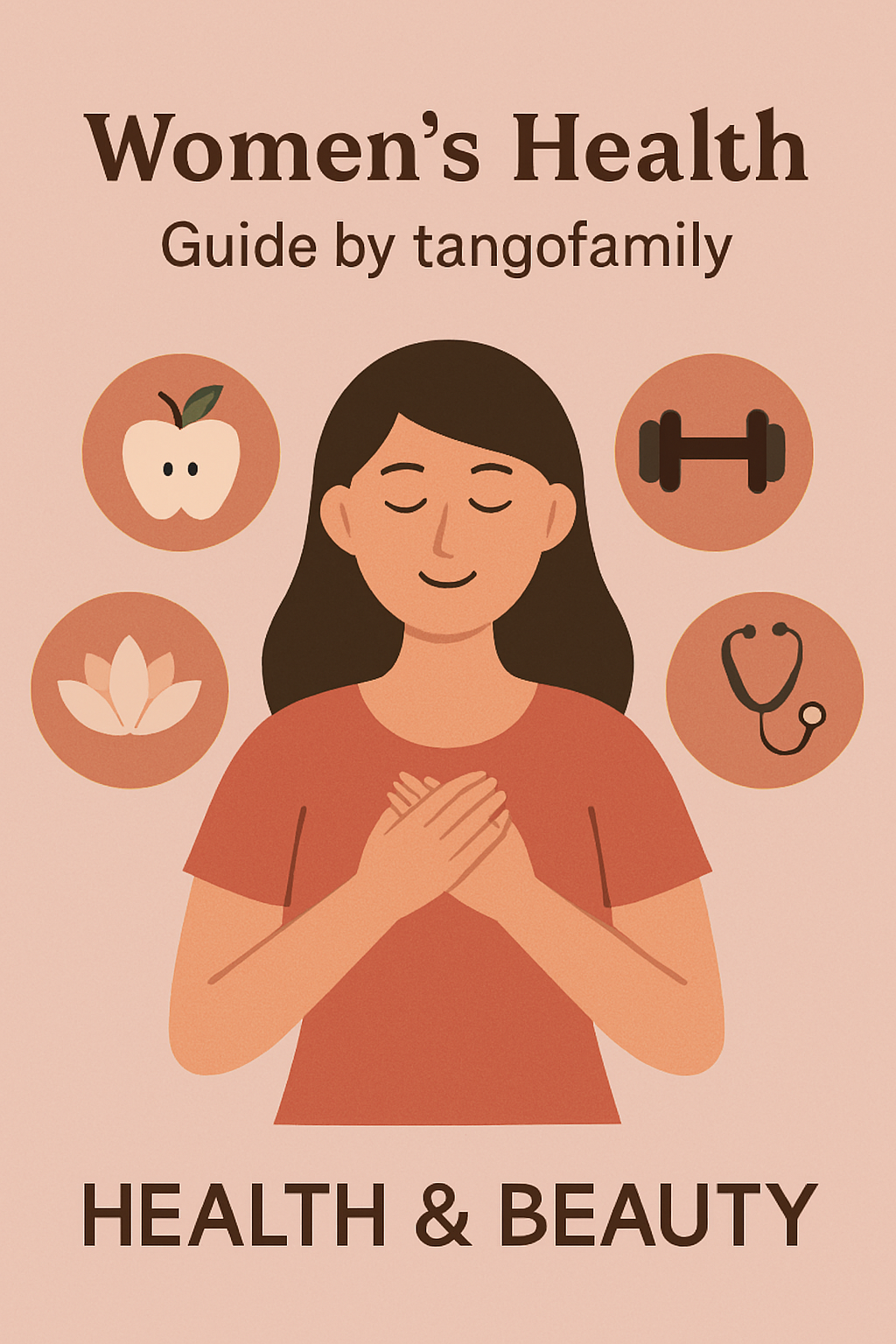
Skin Health Guide for Naturally Clear and Glowing Skin

Healthy skin is one of the clearest signs of overall well-being. It acts as a protective barrier for the body, shielding it from pollution, bacteria, sunlight, and other environmental damage. Good skin health is not only about appearance—it also reflects internal health, lifestyle, and self-care habits.
Many people experience common skin concerns such as acne, dryness, pigmentation, dullness, wrinkles, and irritation. These issues are often linked to lifestyle factors like poor diet, stress, lack of sleep, and environmental exposure. While many turn to expensive treatments, simple daily habits can often make a major difference.
Skin care does not need to be complicated. With consistent routines and healthy choices, you can naturally improve skin quality and maintain long-term glow. This guide explains the causes of skin problems and practical ways to achieve healthier skin.
Why Skin Health Matters
The skin is the largest organ of the body and works as a protective shield. It regulates temperature, prevents infections, and protects internal organs from external damage.
When skin health declines, it may lead to:
- Irritation and sensitivity
- Breakouts and infections
- Dryness and discomfort
- Premature aging
- Reduced confidence
Healthy skin is smooth, balanced, hydrated, and naturally radiant. It reflects good nutrition, hydration, and overall wellness.
Common Causes of Skin Problems
Many skin issues are caused by everyday habits that often go unnoticed.
Poor Diet
High intake of junk food, fried items, sugary drinks, and processed foods can increase inflammation and oil production, leading to acne and dull skin.
Dehydration
Lack of water causes dryness, flakiness, and a tired appearance. Hydration is essential for maintaining skin softness and glow.
Lack of Sleep
Sleep allows the skin to repair and regenerate. Poor sleep can lead to dark circles, breakouts, and dullness.
Stress
Stress disrupts hormone balance, which may trigger acne, sensitivity, itching, and early signs of aging.
Sun Exposure
Excessive UV exposure without protection can cause tanning, pigmentation, wrinkles, and long-term skin damage.
Harsh Products
Overusing strong soaps or chemical-heavy skincare products can damage the skin barrier and cause irritation.
Daily Habits for Healthy Skin
Stay Hydrated
Drinking enough water helps flush out toxins and keeps skin naturally fresh and glowing. Hydrating foods like fruits, cucumber, and coconut water also support skin health.
Eat Skin-Friendly Foods
Nutrition plays a key role in skin health. Include:
- Green leafy vegetables
- Fruits (especially citrus and berries)
- Nuts and seeds
- Yogurt
- Carrots and tomatoes
- Healthy fats (like avocados and fish)
- Whole grains
These foods help support collagen production and reduce inflammation.
Cleanse Gently
Wash your face twice daily with a mild cleanser suited to your skin type. Avoid harsh scrubbing, which can damage the skin barrier.
Moisturize Daily
Moisturizing keeps skin soft and prevents dryness. Even oily skin needs proper hydration. Apply moisturizer after cleansing for best results.
Protect from the Sun
Sun protection helps prevent premature aging, pigmentation, and damage. Use shade, protective clothing, and avoid direct sunlight during peak hours.
Natural Remedies for Skin Care
Some natural ingredients can support healthy skin when used carefully:
Aloe Vera
Soothes irritation, hydrates skin, and supports healing.
Honey
Helps moisturize skin and improves softness and glow.
Cucumber
Provides cooling and hydration, reducing puffiness and tired appearance.
Oatmeal
Calms sensitive or dry skin and reduces irritation.
Always test natural ingredients on a small area before full use, especially for sensitive skin.
Skin Aging and Care
As we age, collagen production decreases, leading to fine lines, wrinkles, and dryness. This is a natural process, but healthy habits can slow it down.
Helpful practices include:
- Balanced nutrition
- Regular hydration
- Good sleep
- Stress management
- Avoiding smoking and alcohol
These habits help maintain youthful and healthy-looking skin for longer.
Acne and Breakouts
Acne is a common skin issue caused by:
- Hormonal changes
- Excess oil production
- Stress
- Poor hygiene
- Unhealthy diet
- Touching the face frequently
Avoid picking or squeezing pimples, as this can worsen scars and irritation. Gentle care and consistency are key to improvement.
Seasonal Skin Care
Summer
Skin becomes oily and sweaty. Lightweight cleansing and hydration are important.
Winter
Skin becomes dry and rough. Extra moisturizing is needed.
Monsoon
Humidity can lead to clogged pores and infections. Keeping skin clean and dry helps prevent issues.
Adjusting your skincare routine based on seasons improves overall results.
Lifestyle Factors That Affect Skin
Smoking
Reduces blood flow and damages collagen, leading to dull and aged skin.
Alcohol
Causes dehydration and makes skin appear tired and dry.
Exercise
Improves blood circulation and helps deliver nutrients to the skin, promoting a natural glow.
Hygiene
Dirty pillowcases, towels, and makeup tools can spread bacteria and cause breakouts.
Mental Health and Skin
Emotional well-being is closely connected to skin health. Stress, anxiety, and sadness can trigger breakouts and sensitivity.
Activities like yoga, meditation, walking, and spending time outdoors can help reduce stress and improve skin naturally.
When to Seek Professional Help
Consult a skin specialist if you experience:
- Severe or persistent acne
- Painful rashes
- Sudden skin changes
- Long-term irritation or itching
- Swelling or bleeding
Professional care ensures proper diagnosis and treatment.
Building a Long-Term Skin Care Routine
A simple and effective routine includes:
- Gentle cleansing
- Daily moisturizing
- Sun protection
- Hydration
- Healthy diet
- Proper sleep
- Stress management
- Regular physical activity
Consistency is more important than complicated routines. Real results take time.
Final Thoughts
Healthy skin is a reflection of a healthy lifestyle. It does not require expensive products or complicated treatments. Simple habits like drinking water, eating nutritious food, sleeping well, protecting from the sun, and managing stress can significantly improve skin over time.
True skin health is not about perfection—it is about balance, strength, and long-term care. With consistency and patience, your skin naturally becomes clearer, healthier, and more radiant.
Categorie
Leggi tutto
Succeeding in the world of real estate often requires a blend of creativity and financial literacy. Many buyers find themselves stuck between a property they can afford and a property they actually want to live in. One of the most effective strategies to bridge this gap involves mastering the 203k loan requirements to acquire a house that needs some love and the funding to fix it...

· The Global Digital Kitchen Ecosystem Market worth USD 26.25 billion in 2026 is growing at a CAGR of 11.86% to reach USD 46.93 billion by 2033. The Digital Kitchen Ecosystem Market research report lays emphasis on primary as well as secondary drivers, leading market segments, market share, regional analysis, and possible sales volume. It...

Industrial water systems are the lifeblood of global manufacturing, power generation, and municipal infrastructure. However, these systems face a constant, silent adversary: the formation of mineral scale. When water containing high concentrations of calcium, magnesium, and silica is subjected to changes in temperature or pressure, these minerals precipitate and bond to internal surfaces. The...

Losing important files can be stressful, but with the right recovery tool, you don’t have to worry. Wondershare Recoverit is one of the world’s most powerful and reliable data recovery solutions. If you are searching to buy Wondershare Recoverit in Pakistan, the best place to get a 100% genuine license is AppleComputersPK. What is Wondershare Recoverit? Wondershare Recoverit...

Women's health is a vital aspect of overall wellbeing, and at tangofamily we believe in empowering women with knowledge, care, and lifestyle solutions that truly make a difference. From nutrition to fitness, mental balance to self‑care, every step matters in building a healthier life. This article explores essential areas of women's health while connecting them to the world of HEALTH &...