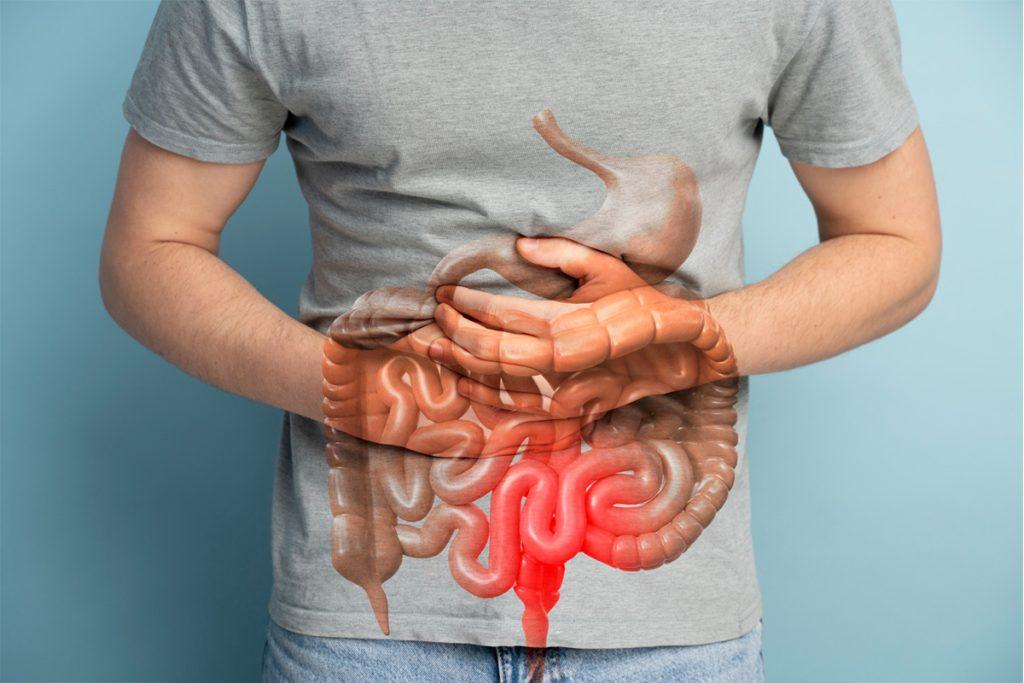
A healthy body begins with a healthy digestive system. While many people focus on fitness, weight loss, or skincare, gut health is often overlooked. In reality, the digestive system plays a key role in overall well-being, influencing energy levels, immunity, mood, sleep quality, and even skin health.
When digestion works properly, the body absorbs nutrients efficiently and eliminates waste effectively. This helps you feel lighter, more energetic, and more comfortable. However, poor gut health can lead to problems such as bloating, gas, constipation, fatigue, and low energy.
Modern lifestyles have made digestive issues more common due to processed foods, stress, lack of sleep, and inactivity. The good news is that gut health can be improved naturally through simple and consistent lifestyle changes.
In this guide, we will explore the meaning of gut health, its importance, signs of poor digestion, and practical ways to improve digestive wellness for a healthier life.
What Is Gut Health?
Gut health refers to the proper functioning and balance of the digestive system, including the stomach and intestines, along with the beneficial bacteria living inside them. These microorganisms are known as gut microbiota.
The gut contains trillions of bacteria, both good and harmful. Good bacteria help digest food, absorb nutrients, support immunity, and protect the body from harmful microbes. When this balance is maintained, digestion remains smooth and efficient.
However, certain lifestyle factors can disturb this balance, including:
- Unhealthy eating habits
- Excess sugar intake
- Processed and junk foods
- Chronic stress
- Poor sleep patterns
- Low water consumption
- Lack of physical activity
- Certain medications
- Alcohol and smoking
A balanced gut supports not only digestion but overall health and vitality.
Why Gut Health Is Important
Gut health influences many aspects of physical and mental well-being.
Improved Digestion
A healthy gut ensures better breakdown of food, smoother digestion, and reduced issues like bloating and constipation.
Stronger Immunity
A large portion of the immune system is connected to the digestive tract, making gut health essential for protection against illness.
Better Mood and Mental Health
The gut and brain are closely linked. Poor digestion can negatively affect mood, focus, and emotional balance.
Increased Energy Levels
Efficient nutrient absorption provides the body with consistent energy throughout the day.
Healthier Skin
Skin issues such as acne, dullness, and irritation may be linked to digestive imbalance.
Better Weight Management
A healthy gut helps regulate appetite, cravings, and metabolism.
Signs of Poor Gut Health
The body often shows clear signs when digestion is not functioning properly. These may include:
- Frequent bloating or heaviness after meals
- Constipation or irregular bowel movements
- Loose stools or diarrhea
- Excess gas or stomach discomfort
- Low energy and constant fatigue
- Increased sugar cravings
- Skin breakouts or irritation
- Disturbed sleep patterns
- Persistent bad breath
If these symptoms occur regularly, they should not be ignored.
Best Foods for Gut Health
Diet plays a major role in maintaining a healthy digestive system.
Fiber-Rich Foods
Fiber supports smooth digestion and promotes healthy bowel movements:
Fruits like apples, bananas, and pears; vegetables like carrots and broccoli; whole grains, oats, beans, and lentils.
Fermented Foods
These contain natural probiotics that support good bacteria in the gut:
Yogurt, curd, kefir, kimchi, sauerkraut, and naturally fermented vegetables.
Prebiotic Foods
Prebiotics nourish beneficial gut bacteria:
Garlic, onions, bananas, oats, apples, asparagus, and flaxseeds.
Healthy Fats
Good fats help reduce inflammation and support digestion:
Nuts, seeds, olive oil, avocados, chia seeds, and walnuts.
Water
Adequate hydration is essential for smooth digestion, proper waste elimination, and prevention of constipation.
Foods That Can Harm Gut Health
Certain foods can negatively impact digestion and should be limited:
- Processed and packaged foods
- High sugar foods and drinks
- Deep-fried items
- Fast food meals
- Carbonated soft drinks
- Artificial sweeteners
- Excess alcohol
Reducing these foods can significantly improve digestive comfort and balance.
Stress and Gut Health
Stress has a direct impact on digestion. The brain and gut are closely connected, so emotional stress often leads to physical symptoms like bloating, cramps, constipation, or diarrhea.
Long-term stress may cause:
- Slower digestion
- Increased gas and bloating
- Poor appetite or overeating
- Acid-related discomfort
- Cravings for unhealthy foods
- Disturbed sleep
Managing stress is essential for better gut health. Helpful practices include walking, meditation, deep breathing, yoga, journaling, and spending time in nature.
Sleep and Digestion
Sleep and digestion are closely linked. Poor sleep can weaken digestion and increase cravings, while digestive issues can also disturb sleep.
Good sleep habits support gut health by:
- Regulating hormones
- Improving metabolism
- Reducing inflammation
- Supporting recovery and repair
Maintaining a consistent sleep schedule and avoiding late heavy meals can significantly improve digestive health.
Exercise for Better Gut Health
Physical activity supports digestion by improving circulation and helping food move through the digestive tract.
Helpful activities include:
- Walking
- Yoga
- Stretching
- Cycling
- Light workouts
Even a short walk after meals can enhance digestion and reduce bloating.
Why Eating Slowly Matters
Eating too quickly can overwhelm the digestive system and lead to discomfort.
Fast eating may cause:
- Bloating
- Overeating
- Poor digestion
- Heaviness after meals
Mindful eating helps the body properly process food and recognize fullness in time. Eating slowly, chewing thoroughly, and avoiding distractions can greatly improve digestion.
Daily Habits for Better Gut Health
Simple daily routines can significantly improve digestive wellness:
- Start the day with water
- Include fiber in every meal
- Walk after eating
- Avoid late-night heavy meals
- Reduce sugar intake
- Maintain regular sleep
- Stay physically active
- Manage stress daily
- Observe how your body reacts to foods
Consistency is key to long-term results.
Myths About Gut Health
Myth: Only older people have digestive problems
Gut issues can affect anyone, regardless of age.
Myth: Bloating is always normal
Occasional bloating is common, but frequent discomfort should be addressed.
Myth: Skipping meals improves digestion
Irregular eating can actually worsen digestive balance.
Myth: No symptoms mean perfect gut health
Health is about balance, not perfection.
Myth: Drinking less water reduces bloating
Dehydration often makes digestion worse.
When to Seek Medical Advice
Seek professional help if you experience:
- Severe or persistent stomach pain
- Blood in stool
- Sudden weight loss
- Long-term constipation or diarrhea
- Frequent vomiting
- Extreme fatigue
- Continuous bloating
- Loss of appetite
While natural habits help improve digestion, persistent symptoms may require medical attention.
Final Thoughts
Gut health is the foundation of overall wellness. A healthy digestive system improves energy, immunity, mood, skin, sleep, and daily comfort.
Simple lifestyle changes such as eating better, staying hydrated, reducing stress, sleeping well, and staying active can make a powerful difference over time.
There is no need for extreme diets or complicated routines. True digestive health comes from balance, consistency, and mindful living.
A strong gut supports a strong body and a better quality of life. Start with small changes today and support your health from within.