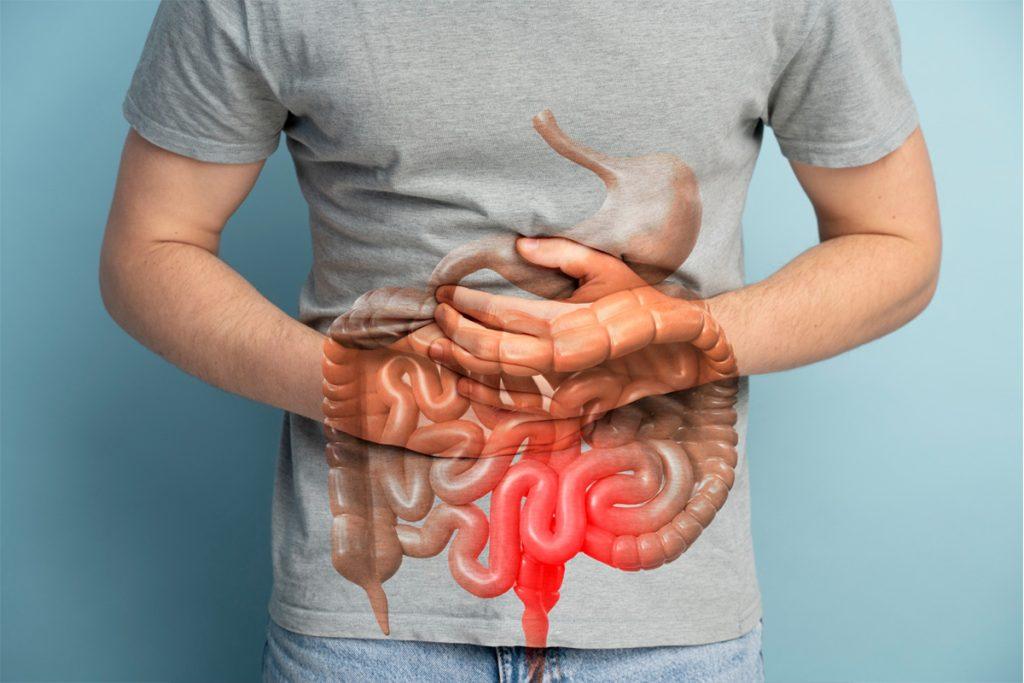
A healthy life begins with a strong digestive system. While many people focus on fitness, weight loss, or skincare, gut health is often ignored. In reality, your gut plays a central role in overall wellness. It is responsible not only for digestion but also for immunity, energy levels, mood, skin health, sleep quality, and mental clarity.
When the digestive system functions properly, the body feels light, active, and balanced. Food is broken down efficiently, nutrients are absorbed well, and waste is eliminated regularly. However, when gut health is disturbed, symptoms like bloating, constipation, fatigue, and discomfort often appear.
Modern lifestyles—such as processed foods, stress, irregular sleep, and low activity—can weaken digestion over time. The good news is that gut health can be improved naturally through simple daily habits without extreme diets or expensive treatments.
This guide explains gut health, its importance, warning signs of imbalance, and practical ways to improve digestion naturally.
What Is Gut Health?
Gut health refers to the proper functioning and balance of the digestive system, including the stomach, intestines, and the trillions of beneficial microorganisms living inside them, known as gut microbiota.
These microorganisms play an important role in:
- Breaking down food
- Absorbing nutrients
- Protecting against harmful bacteria
- Supporting immunity
- Maintaining digestive balance
The digestive system works from the mouth to the intestines, converting food into energy. When the balance of good bacteria is disrupted, digestive problems begin to appear.
Poor gut health may result from unhealthy diet, stress, antibiotics, alcohol, smoking, or lack of sleep. That is why gut health influences the entire body, not just digestion.
Why Gut Health Is Important
Gut health affects many areas of physical and mental well-being.
Better Digestion
A healthy gut ensures smooth digestion, reducing bloating, gas, and constipation.
Stronger Immunity
A large portion of the immune system is linked to the gut. Balanced bacteria help protect the body from infections.
Improved Mood and Mental Focus
The gut and brain are closely connected. Poor digestion can affect mood, stress levels, and concentration.
Increased Energy
Proper nutrient absorption helps maintain steady energy throughout the day.
Healthier Skin
Skin issues like acne, dullness, and irritation are often linked to digestive imbalance.
Better Weight Control
A balanced gut supports appetite regulation and metabolism.
A healthy gut contributes to a healthier body and mind overall.
Signs of Poor Gut Health
The body often shows clear signs when digestion is not working properly.
- Frequent bloating
- Constipation or irregular bowel movements
- Diarrhea
- Gas and stomach discomfort
- Constant tiredness
- Sugar cravings
- Bad breath
- Skin breakouts
- Poor sleep
- Mood swings
If these symptoms occur regularly, they should not be ignored.
Best Foods for Gut Health
Food is one of the most powerful tools for improving digestion naturally.
Fiber-Rich Foods
Fiber supports smooth digestion and regular bowel movements:
- Apples, bananas, pears
- Oats and whole grains
- Lentils, beans, chickpeas
- Carrots, broccoli, spinach
Fermented Foods (Probiotics)
These help restore good bacteria in the gut:
- Yogurt and curd
- Kefir
- Kimchi
- Sauerkraut
- Fermented vegetables
Prebiotic Foods
Prebiotics feed healthy gut bacteria:
- Garlic and onions
- Bananas and apples
- Oats
- Asparagus
- Flaxseeds
Healthy Fats
Good fats reduce inflammation and support digestion:
- Nuts and seeds
- Avocados
- Olive oil
- Chia and flaxseeds
Water
Hydration is essential for digestion, nutrient absorption, and preventing constipation.
Foods That Harm Gut Health
Some foods can negatively affect digestion if consumed regularly:
- Processed and packaged foods
- Excess sugar
- Fried and oily foods
- Fast food
- Soft drinks
- Artificial sweeteners
- Excess alcohol
Reducing these foods can significantly improve gut health over time.
Stress and Gut Health
Stress has a direct impact on digestion. Many people experience bloating, stomach discomfort, or appetite changes during stressful periods.
Long-term stress may cause:
- Slower digestion
- Increased bloating
- Emotional eating
- Poor sleep
- Acid discomfort
- Food cravings
Stress Management Tips
- Walking outdoors
- Meditation and deep breathing
- Yoga
- Journaling
- Relaxing music
- Better sleep habits
Even small stress-reducing practices can improve digestion.
Sleep and Digestion
Sleep and gut health are closely connected. Poor sleep can disturb digestion and increase inflammation, while digestive issues can also disrupt sleep.
Good sleep habits include:
- Maintaining a fixed sleep schedule
- Avoiding heavy meals at night
- Limiting caffeine in the evening
- Reducing screen time before bed
- Creating a calm nighttime routine
Quality sleep supports digestive healing and balance.
Exercise for Better Digestion
Physical activity helps improve digestion by supporting gut movement and reducing stress.
Helpful activities include:
- Walking
- Yoga
- Stretching
- Cycling
- Swimming
- Light workouts
Even a short walk after meals can significantly improve digestion.
Importance of Eating Slowly
Eating too quickly can overload the digestive system.
Fast eating may cause:
- Bloating
- Overeating
- Acid discomfort
- Poor digestion
Mindful Eating Habits
- Eat without distractions
- Chew food properly
- Take small bites
- Eat slowly
- Listen to hunger signals
These simple habits greatly improve digestion.
Daily Habits for Better Gut Health
- Drink water first thing in the morning
- Include fiber in every meal
- Walk after eating
- Avoid late-night heavy meals
- Reduce sugar intake
- Maintain good sleep routine
- Stay physically active
- Manage stress daily
- Observe how foods affect your body
Consistency is key for long-term gut health.
Common Myths About Gut Health
Myth 1: Only older people have digestive issues
Gut problems can affect anyone at any age.
Myth 2: Bloating is always normal
Frequent bloating should not be ignored.
Myth 3: Skipping meals helps digestion
It often worsens hunger and digestive imbalance.
Myth 4: Good digestion means no symptoms ever
Balance, not perfection, is the goal.
Myth 5: Less water reduces bloating
Dehydration often makes bloating worse.
When to Seek Medical Help
Consult a professional if you experience:
- Severe stomach pain
- Blood in stool
- Sudden weight loss
- Long-term constipation or diarrhea
- Persistent bloating
- Extreme fatigue
- Loss of appetite
- Frequent vomiting
Medical evaluation is important when symptoms continue.
Final Thoughts
Gut health is the foundation of overall wellness. A healthy digestive system supports energy, immunity, mood, skin, sleep, and overall performance.
Simple lifestyle changes—such as eating fiber-rich foods, staying hydrated, managing stress, sleeping well, and staying active—can create powerful improvements in digestion.
There is no need for complicated routines. True gut health comes from balance, consistency, and patience.
A healthy gut leads to a healthier body and mind. Start with small daily improvements and allow your body to restore its natural balance over time.