The Future of Usage-Based Vehicle Insurance Explained

Usage-based insurance is changing the way drivers think about coverage. Instead of relying only on broad factors like age, location, or past claims, insurers can now look at how you actually drive. That means your premium may reflect your habits behind the wheel rather than assumptions based on your profile. For many drivers, this creates a fairer and more personalized way to pay for protection.
This shift toward data-driven pricing is gaining momentum across global markets. Whether someone is driving in a large U.S. city, commuting through Europe, or comparing options for car insurance Qatar, insurers are investing more in programs that track real-world behavior. The goal is simple: reward safer driving, better match premiums to risk, and improve the overall efficiency of the insurance model.
As this model evolves, the technology behind it is becoming far more advanced. Early usage-based insurance programs focused mainly on mileage or simple driving patterns. Now, telematics systems can measure braking, acceleration, speed consistency, cornering, phone distraction, and even the times of day a vehicle is on the road. Artificial intelligence helps insurers turn all of that raw data into detailed risk insights.
Understanding where usage-based vehicle insurance is headed can help you make smarter choices when reviewing coverage. It can also help you weigh the benefits against the trade-offs, especially when it comes to privacy, transparency, and pricing. Here is what drivers need to know about the future of telematics, AI-powered underwriting, and the next generation of personalized vehicle insurance.
How AI and Telematics Drive Change
Usage-based insurance began with relatively simple tools. In many cases, drivers plugged a small device into their vehicle so insurers could track mileage, speed, and a few basic patterns. Those programs introduced the idea that actual behavior could influence premiums, but they only captured a limited picture of risk.
Today, telematics has become much more sophisticated. Many vehicles now come with built-in connectivity, sensors, GPS support, and advanced driver assistance systems. These features can generate a steady stream of information about how the car is being used. Instead of depending only on a plug-in device, insurers may gather data through a mobile app, the vehicle’s onboard systems, or a connected platform that communicates directly with the manufacturer.
Artificial intelligence is what makes this flood of data useful. Insurers do not just want information; they want meaningful patterns. AI systems can process thousands of driving events and identify behaviors linked to higher or lower claim risk. For example, frequent hard braking may suggest aggressive driving or poor following distance. Repeated late-night trips might indicate exposure to higher-risk driving conditions. Smooth acceleration, steady speed control, and consistent trip patterns may suggest a lower-risk driver.
This technology also allows insurers to move from static pricing to dynamic pricing. Traditional policies often lock in a premium for six months or a year. With usage-based models, pricing can become more flexible. Some insurers already adjust discounts based on performance during a review period, while future systems may support more frequent updates based on ongoing driving behavior.
Another major development is predictive analytics. Instead of only reacting to claims history, insurers can use AI to predict loss potential before an accident happens. That improves underwriting accuracy and can help carriers offer pricing that feels more tailored to each driver. Over time, this may reduce the gap between what careful drivers pay and what higher-risk drivers pay.
The Win-Win for Drivers and Insurers
One reason usage-based insurance continues to grow is that it offers clear advantages to both sides. For drivers, the biggest benefit is the possibility of lower premiums. If you drive carefully, avoid distractions, stay within speed limits, and log fewer risky miles, you may earn discounts that would not be available under a traditional pricing model.
This is especially appealing to people who feel standard insurance pricing does not fully reflect their habits. Two drivers of the same age living in the same area may have very different driving styles, yet traditional models might price them similarly. Usage-based insurance helps close that gap by rewarding actual behavior instead of relying only on broad averages.
There is also a behavioral benefit. When drivers know their habits affect their premiums, many become more aware of how they drive. They may brake more gently, avoid unnecessary late-night trips, or reduce phone use while driving. That can lead to fewer accidents, which benefits both the insured and the insurer.
For insurance companies, the value is just as strong. Better data leads to better risk assessment. Instead of estimating risk through indirect indicators, insurers can evaluate actual road behavior. This makes underwriting more precise and helps companies price policies with greater confidence.
Fewer accidents also mean fewer claims. If telematics programs encourage safer driving, insurers may see lower claim frequency and lower payouts over time. That can improve profitability while also supporting more competitive pricing for customers. In this sense, usage-based insurance is not just a pricing tool. It is also a risk management strategy.
It can improve customer relationships as well. A good telematics program gives drivers feedback, not just scores. Many apps already provide trip summaries, safety tips, and coaching insights. This transforms insurance from a product people think about only during renewal or after an accident into a service that feels more interactive and useful throughout the year.
Navigating the Privacy Hurdle
Despite its promise, usage-based insurance faces one major challenge: privacy. Many drivers are comfortable sharing mileage information, but they become hesitant when tracking expands to location, time of travel, driving style, and phone usage. The concern is understandable. People want lower premiums, but they do not want to feel watched every time they get into the car.
For usage-based insurance to grow, insurers must build trust. That starts with clear communication. Drivers need to know exactly what is being collected, how often it is collected, how it is used, and whether it is shared with third parties. Vague policy language will only increase hesitation.
Transparency matters because not all telematics programs work the same way. Some track only mileage. Others use smartphone sensors to detect braking, acceleration, and possible distraction. More advanced systems may use connected-car data that includes route patterns and trip timing. If drivers do not understand the level of monitoring involved, they cannot make an informed decision.
Data security is another key issue. The more information insurers collect, the more responsibility they carry to protect it. Driving data can reveal routines, work hours, home locations, and travel habits. If mishandled, that information could create serious privacy risks. Strong encryption, limited access controls, and strict retention rules will be essential.
Regulation will likely play a bigger role in the future. As telematics becomes more common, governments and regulators may require insurers to give drivers more control over their data. That could include the right to opt out of certain tracking features, request deletion of stored information, or receive plain-language explanations of how scores are calculated.
There is also the issue of fairness. Drivers may ask whether all tracked behaviors are judged accurately in context. For example, hard braking is not always reckless. It may reflect defensive driving in traffic. Night driving may be necessary for work rather than a sign of risky behavior. Insurers will need smarter models and clearer scoring standards to avoid oversimplifying complex driving situations.
The Road Ahead for Personalized Premiums
The future of usage-based insurance will likely go far beyond basic discount programs. As vehicles become more connected, insurers may gain access to richer and more reliable streams of data. That could lead to policies that feel far more personalized than anything available today.
One likely trend is the rise of real-time risk scoring. Instead of waiting until renewal time, insurers may be able to update a driver’s risk profile continuously. That does not always mean premiums will change every week, but it could allow insurers to offer more timely rewards, alerts, or coaching based on driving patterns.
Another trend is integration with smart mobility. The way people use vehicles is changing. More drivers now use shared vehicles, subscription models, and flexible commuting routines. Usage-based insurance fits naturally into this shift because it is built around actual use rather than static ownership assumptions. In the future, coverage may follow the driver more seamlessly across personal vehicles, shared cars, and even autonomous transport systems.
Electric vehicles may also influence the direction of usage-based insurance. EVs are highly connected by design and often generate detailed operational data. That could make them ideal for telematics-based pricing. At the same time, insurers will need to account for different repair costs, battery-related risks, and software-driven performance features.
Autonomous and semi-autonomous driving systems will add another layer. As more cars take over parts of the driving task, insurers may need to distinguish between driver-controlled behavior and vehicle-assisted performance. That could reshape how responsibility, risk, and premiums are calculated.
We may also see broader personalization beyond price. Future usage-based platforms could provide proactive maintenance reminders, route-risk alerts, weather-based safety notifications, and driving improvement suggestions. Insurance may become part of a larger driving support ecosystem rather than a standalone financial product.
Conclusion: Embracing the Dynamic Future
The future of vehicle insurance is becoming more personalized, more connected, and more responsive to how people actually drive. Usage-based insurance sits at the center of that change. By combining telematics, AI, and real-world behavior data, insurers can move beyond rough estimates and offer pricing that better matches individual risk.
For drivers, that creates real opportunity. Safe habits may finally translate into more visible financial rewards. Better feedback tools may also help people become more aware, more careful, and more confident behind the wheel. For insurers, the benefit lies in better underwriting, stronger customer engagement, and improved claims outcomes.
Still, the success of usage-based insurance will depend on trust. Drivers need transparency, fair scoring, and strong data protection. Without those elements, even the most advanced technology will face resistance. With them, however, usage-based coverage could become one of the most important shifts the vehicle insurance industry has seen in decades.
If you are reviewing your policy in the near future, it may be worth asking your provider what telematics options they offer and how those programs work. The more you understand the tools shaping this space, the better prepared you will be to decide whether usage-based insurance fits your needs. As the industry moves toward smarter and more flexible coverage, informed drivers will be in the best position to benefit.
Κατηγορίες
Διαβάζω περισσότερα
Men’s Motorcycle Leather Jacket – The Ultimate Symbol of Strength, Style, and Freedom A men’s motorcycle leather jacket isn’t just an article of clothing—it’s a statement of individuality, confidence, and timeless rebellion. Worn by everyone from legendary bikers to Hollywood icons, this jacket represents a unique blend of rugged functionality and classic...

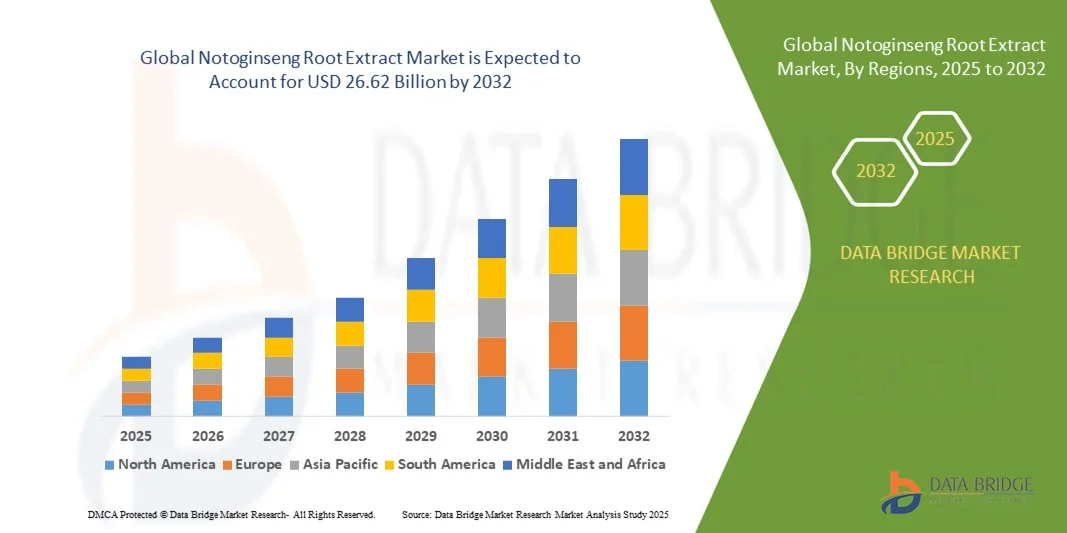
According to the latest report published by Data Bridge Market Research, the Notoginseng Root Extract Market The global notoginseng root extract market size was valued at USD 13.45 billion in 2024 and is expected to reach USD 26.62 billion by 2032, growing at a CAGR of 8.90% during the forecast period. The Notoginseng Root Extract Marketdocument identifies and analyses the emerging...
Online betting has become more popular than ever, especially among users who enjoy sports, casino games, and live gaming experiences from their mobile devices. One of the easiest ways to access these features is by using a SkyExchange ID. Whether you are a beginner or an experienced player, having a verified betting ID can make your overall experience smoother, faster, and more enjoyable....

Uncover Contemporary Living in the City of Nawabs Lucknow, the land of rich culture and hospitality, is rapidly emerging as one of North India's most sought-after real estate hotspots. If you're a first-time homebuyer or an investor, probing a Builder floor for sale in Lucknow can be one of the best things you do. These properties provide the ideal combination of seclusion, warmth, and...
CEC Bank agentic CRM digital transformation marks a major step forward as CEC Bank внедлоyed a unified agentic CRM platform powered by Creatio to modernize customer engagement and operational workflows. The initiative is designed to deliver AI-driven experiences and streamline processes across the bank’s nationwide operations. The new system supports more than 4,000 users, providing a...