Weight Loss Tips for Healthy Fat Burning and Better Fitness
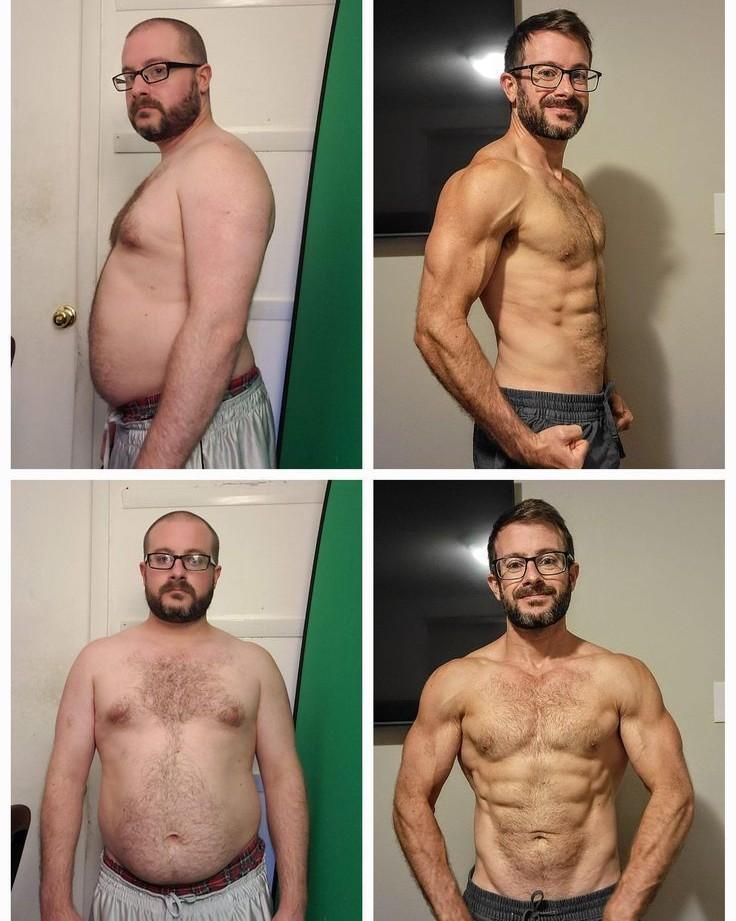
Weight gain is a very common health challenge today. Modern lifestyles, unhealthy eating patterns, stress, lack of exercise, and irregular sleep often make it difficult to maintain a healthy body weight. Many people struggle with stubborn fat around the belly, hips, thighs, and waist, even after trying different diets and workouts.
Healthy weight loss is not only about looking better. It is about improving overall well-being—higher energy levels, better confidence, improved mobility, stronger digestion, and a more balanced lifestyle. Excess body weight can lead to fatigue, reduced stamina, discomfort while moving, and lower self-confidence.
Many people search for quick solutions, but real and lasting weight loss comes from consistent habits. Extreme diets, skipping meals, or overly intense workouts may show temporary results, but they rarely last. Sustainable change happens when healthy routines become part of everyday life.
In this guide, we will understand the main causes of weight gain and explore simple, practical ways to achieve natural and long-term weight loss.
Why Weight Loss Matters
Maintaining a healthy weight helps the body function more efficiently and improves daily comfort. It makes movement easier and reduces stress on joints and muscles.
Healthy weight management supports:
- Higher energy and stamina
- Better sleep quality
- Improved flexibility
- Stronger digestion and metabolism
- Enhanced mood and confidence
- Better heart and joint health
- Improved overall quality of life
The goal is not extreme thinness, but a strong, active, and balanced body.
Main Causes of Weight Gain
Understanding the reasons behind weight gain is the first step toward solving it.
Unhealthy Eating Habits
Frequent consumption of fast food, sugary drinks, fried items, and processed snacks leads to excess calorie intake and poor nutrition. Late-night eating and constant snacking also contribute to fat storage.
Lack of Physical Activity
Long hours of sitting and minimal movement slow down metabolism and reduce calorie burning, leading to fat accumulation.
Poor Sleep Patterns
Sleep affects hunger and fullness hormones. Inadequate sleep increases cravings and reduces energy for physical activity.
Stress and Emotional Eating
Stress often triggers overeating, especially high-calorie comfort foods like sweets and fried snacks.
Slow Metabolism
Metabolism naturally slows with age, reducing the number of calories the body burns at rest.
Hormonal Imbalance
Hormonal changes can influence appetite, energy levels, and fat storage, making weight control more difficult.
Healthy Eating for Weight Loss
Food plays a key role in managing body weight effectively.
Choose Natural, Whole Foods
Include nutrient-rich foods such as:
- Green vegetables
- Fresh fruits
- Whole grains
- Oats
- Brown rice
- Lean proteins
- Eggs
- Yogurt
- Nuts and seeds
- Lentils and beans
These foods improve digestion and help control hunger naturally.
Limit Sugar and Fried Foods
Cutting down on sugary drinks, sweets, chips, and fried foods significantly supports fat loss.
Practice Portion Control
Even healthy foods can lead to weight gain if consumed in excess. Eating slowly and recognizing fullness helps prevent overeating.
Stay Hydrated
Water supports digestion, reduces false hunger, and improves metabolism.
Avoid Skipping Meals
Skipping meals can lead to intense hunger later, often resulting in overeating. Balanced meals are more effective.
Exercise and Physical Activity
Regular movement is essential for burning calories and improving overall fitness.
Walking Daily
Brisk walking is one of the simplest and most effective ways to support fat loss and improve circulation.
Strength Training
Muscle-building exercises like squats, push-ups, and resistance workouts help increase metabolism and support long-term fat reduction.
Flexibility Exercises
Stretching improves mobility, reduces stiffness, and helps prevent injuries.
Stay Active Throughout the Day
Taking stairs, walking during breaks, and reducing long sitting periods all contribute to better results.
Sleep and Weight Management
Quality sleep plays a major role in body weight regulation. Poor sleep increases hunger hormones and reduces self-control over eating habits.
Good sleep helps:
- Balance hormones
- Reduce cravings
- Increase energy levels
- Improve workout performance
- Support recovery
- Lower stress
A consistent sleep routine supports natural weight control.
Stress Management
Stress has a strong impact on eating behavior and fat storage. It can lead to emotional eating and poor sleep quality.
Helpful stress management techniques include:
- Deep breathing exercises
- Meditation
- Outdoor walks
- Journaling
- Listening to calming music
- Talking to supportive people
- Taking regular breaks
A calm mind supports a healthier body.
Common Weight Loss Mistakes
Many people struggle due to avoidable mistakes.
Expecting Fast Results
Healthy weight loss takes time. Quick results are often temporary.
Following Extreme Diets
Very restrictive diets can reduce energy and increase cravings.
Ignoring Strength Training
Only doing cardio may slow metabolism over time.
Overlooking Small Habits
Sugary drinks, late-night snacks, and emotional eating often go unnoticed but impact progress.
Comparing with Others
Every body is different. Focus on your own progress.
Belly Fat Challenges
Belly fat is often linked to stress, hormones, diet, and lifestyle habits. Common causes include:
- Excess sugar intake
- Lack of movement
- Poor sleep
- High stress levels
- Hormonal imbalance
There is no instant solution. Consistent healthy habits gradually reduce overall body fat, including belly fat.
Weight Loss at Different Ages
Young Adults
Unhealthy eating and irregular routines are common causes of weight gain. Early habits matter most.
Working Adults
Busy schedules make consistency difficult. Planning meals and daily walking helps.
Older Adults
Metabolism slows down, so strength training and proper nutrition become even more important.
Lifestyle Habits for Better Results
Small changes create long-term success.
- Eat mindfully without distractions
- Plan meals in advance
- Avoid sugary beverages
- Follow a consistent routine
- Stay disciplined even when motivation drops
Mental Health and Weight Loss
Emotional health directly affects physical health. Stress, anxiety, and low mood can lead to poor eating habits and reduced activity. A balanced mind supports better control and consistency.
When to Seek Help
Professional guidance may be needed if:
- Weight increases suddenly
- Fatigue becomes constant
- Hormonal issues are suspected
- Emotional eating is difficult to control
- No progress is seen despite efforts
- Sleep problems persist
Building a Long-Term Routine
Sustainable weight loss depends on healthy habits such as:
- Balanced meals
- Regular exercise
- Proper hydration
- Quality sleep
- Stress control
- Mindful eating
- Strength training
- Consistency and patience
Final Thoughts
Healthy weight loss is not about strict dieting or quick fixes. It is about building better habits that support long-term well-being. When nutrition, exercise, sleep, and mental health are balanced, the body naturally moves toward a healthier weight.
Small daily improvements lead to lasting transformation. Stay consistent, be patient, and focus on progress rather than perfection.
A healthy lifestyle improves not just body weight, but also energy, confidence, and overall quality of life.
Catégories
Lire la suite
"Automotive Testing, Inspection and Certification (TIC) Market Summary: According to the latest report published by Data Bridge Market Research, the Automotive Testing, Inspection and Certification (TIC) Market CAGR Value Data Bridge Market Research analyses that the global automotive testing, inspection and certification (TIC) market which was U.S.D 19.80 million in 2022, is expected...

OK8386 – A Reliable Online Entertainment Hub Designed for Long-Term Users OK8386 is an established online entertainment platform developed with the objective of delivering stability, professionalism, and long-term value to its users. Rather than focusing only on visual appeal or promotional elements, the platform emphasizes system quality, operational transparency, and user-centered...
When it comes to surface preparation and restoration, precision and efficiency matter. Traditional paint and rust removal methods often involve abrasive blasting, chemicals, or manual labor, which can damage the base material and pose environmental risks. The laser paint and rust remover from Laser Stripper revolutionizes this process, offering a clean, safe, and highly effective way to remove...

The Global Bromobenzene Market, valued at USD 1,231.30 million in 2023, is anticipated to reach USD 1,853.90 million by 2032, expanding at a compound annual growth rate (CAGR) of 4.70% over the forecast period 2024–2032. The market is primarily driven by the growing demand for bromobenzene as a key chemical intermediate, solvent, and reagent in pharmaceutical, agrochemical, and...

Introduction: The Intersection of Culture and Cosmetic Dermatology In Abu Dhabi, aesthetic medicine has evolved far beyond surface-level beauty enhancements. As the capital of the United Arab Emirates and a major hub within the Gulf region, the city welcomes clients from across the GCC who seek refined, discreet, and culturally aligned cosmetic treatments. A modern Dermatologist Abu Dhabi...