The Importance of Structural Planning in Home Renovations
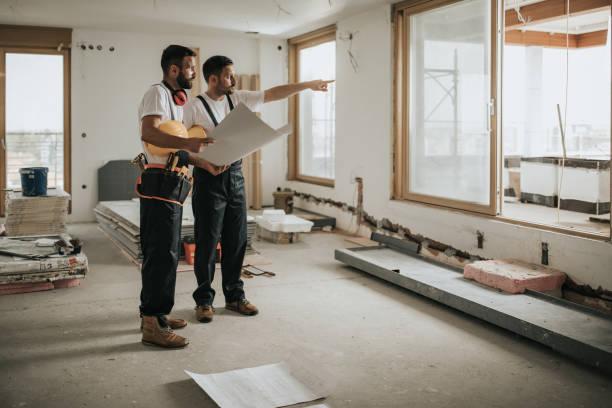
Renovating a home always starts the same way—ideas everywhere. You want more space, better light, maybe just a layout that actually makes sense for once. It feels exciting, a bit chaotic too. Somewhere in all that, though, people forget what really matters. Not the tiles. Not the paint. The structure. Anyone doing home remodeling in Houston long enough will tell you—if the bones aren’t right, everything else is just decoration sitting on top of a problem.
Structural Planning Is the Part Most People Try to Rush
It’s not glamorous, that’s probably why. No one sits around talking about load-bearing walls at dinner. But this is the part that decides if your renovation works… or quietly fails over time. You remove the wrong wall, shift weight without support, and yeah—it might look fine at first. Then months later, something feels off. Floors slope a little. Cracks show up where they didn’t exist before. Structural planning is basically asking, “what’s holding this place up?” and not guessing the answer.
Before Demo Day, There’s a Lot Going On (Or Should Be)
People love demolition. It feels like progress. Noise, movement, things changing fast. But real work starts before that. Measuring, checking the foundation, understanding how the house was originally built. Sometimes it’s straightforward. Sometimes it’s… not. Especially in homes that have already been modified once or twice. A proper plan takes all that into account. It’s slower, yeah, but skipping it just pushes problems down the road.
Older Homes Don’t Play by Today’s Rules
This one catches people off guard. Older houses weren’t built the way we build now. Different materials, different methods, sometimes things that just wouldn’t pass code today. So when you step in thinking you can just “update” it, you’re already behind. Wood weakens. Foundations shift over time. Nothing dramatic at first, just enough to matter once you start changing things. Structural planning digs into that. It’s not about overthinking—it’s about not getting blindsided halfway through.
Budget Conversations Get Real, Fast
Everyone asks for a number early. Makes sense. But without structural planning, that number doesn’t mean much. It’s a placeholder. Once walls open up, reality shows up too. Maybe a beam needs replacing. Maybe support isn’t where you thought it was. Costs climb, decisions get rushed. A solid plan doesn’t eliminate surprises completely, but it cuts down the big ones. At least you’re working with something closer to the truth.
Big Design Ideas Need Backup (Literally)
Open layouts, bigger windows, extensions—none of that is impossible. But it’s not just about wanting it. The structure has to carry it. You can’t just carve out space and hope the house figures it out. Good planning connects those ideas to actual support systems. Beams, columns, reinforcements—stuff most people don’t think about, but absolutely should. Otherwise, your “dream space” turns into a compromise pretty quickly.
Permits and Codes—Annoying but Necessary
Yeah, paperwork isn’t fun. But ignoring it? Worse. Structural plans usually tie directly into what local codes require, and inspectors don’t miss much. If something’s off, you’re not just delayed—you might have to undo work. That’s time, money, stress. All of it. Getting things right on paper first saves a lot of backtracking later. It’s one of those things you appreciate more after you’ve seen what happens without it.
The People You Work With Make a Difference
Not every contractor approaches structural planning the same way. Some dig deep, others… not so much. That’s where experience shows. Good engineers, architects, and even seasoned home builders in Houston know how to spot issues early. They’ve seen what goes wrong. They ask better questions. It’s less about fancy credentials and more about actually understanding how homes behave over time. You want someone who’s a bit cautious, honestly. That usually means they’re paying attention.
What You Don’t See Is What Lasts
Funny thing is, the strongest parts of your renovation are the ones no one notices. Hidden supports, reinforced framing, properly balanced loads. No one compliments those. But they’re the reason everything else stays in place. Years later, when nothing’s cracking or shifting, that’s the payoff. It’s quiet. Not exciting. But it matters more than the finishes people obsess over.
Conclusion
Structural planning isn’t the part people get excited about, and that’s fine. It’s still the part that holds everything together. Skip it, rush it, treat it like a formality—you’ll feel it later, one way or another. Take it seriously, though, and the whole renovation just… works better. Fewer surprises, fewer regrets. Not perfect, nothing ever is, but solid where it counts. And honestly, that’s the difference between a renovation that looks good for a while and one that actually lasts.
Κατηγορίες
Διαβάζω περισσότερα
"Fermented Milk Market Summary: According to the latest report published by Data Bridge Market Research, the Fermented Milk Market The global fermented milk market size was valued at USD 307.41 billion in 2024 and is expected to reach USD 457.66 billion by 2032, at a CAGR of 5.10% during the forecast period The world-class Fermented Milk Market report...

The Cleveland Guardians prevented a collection sweep Wednesday. Tanner Bibee took the mound within a unusual difficult outing for the righty. Bibee threw 5. 0 innings, supplying up 5 operates upon 8 hits and 2 walks. 3 of the operates were being the end result of property operates yet Bibee struck out 6 batters. Bibee begun the 6th inning, strolling the very first batter and allowing for 2...
Hypertrophic and keloid scar treatment focuses on managing abnormal scar formation that occurs due to excessive collagen production during the wound-healing process. Hypertrophic scars remain confined to the original injury site, while keloid scars extend beyond the wound boundaries and can continue to grow over time. Hypertrophic and Keloid Scar Treatment Market Size, Share and Analysis...

Toto Slot is an online gaming platform that has become increasingly popular due to its combination of traditional slot mechanics and modern digital accessibility. The platform provides a dynamic and engaging experience for players who enjoy games of chance, interactive features, and the excitement of instant results. By merging classic slot elements with digital innovation, Toto Slot offers an...

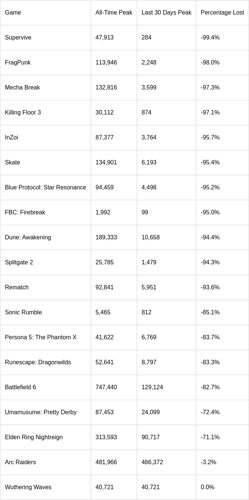
Live-Service Games Failures Developing a live-service game often appears to be a risky venture, yet many industry leaders persist in pursuing this model, eager to capitalize on its potential. Unfortunately, the reality is that only a few titles achieve sustained success, while the majority falter. In 2025, the gaming landscape was flooded with numerous live-service titles and games that...