Why the ALM Market Is Becoming Critical for Regulated Industries
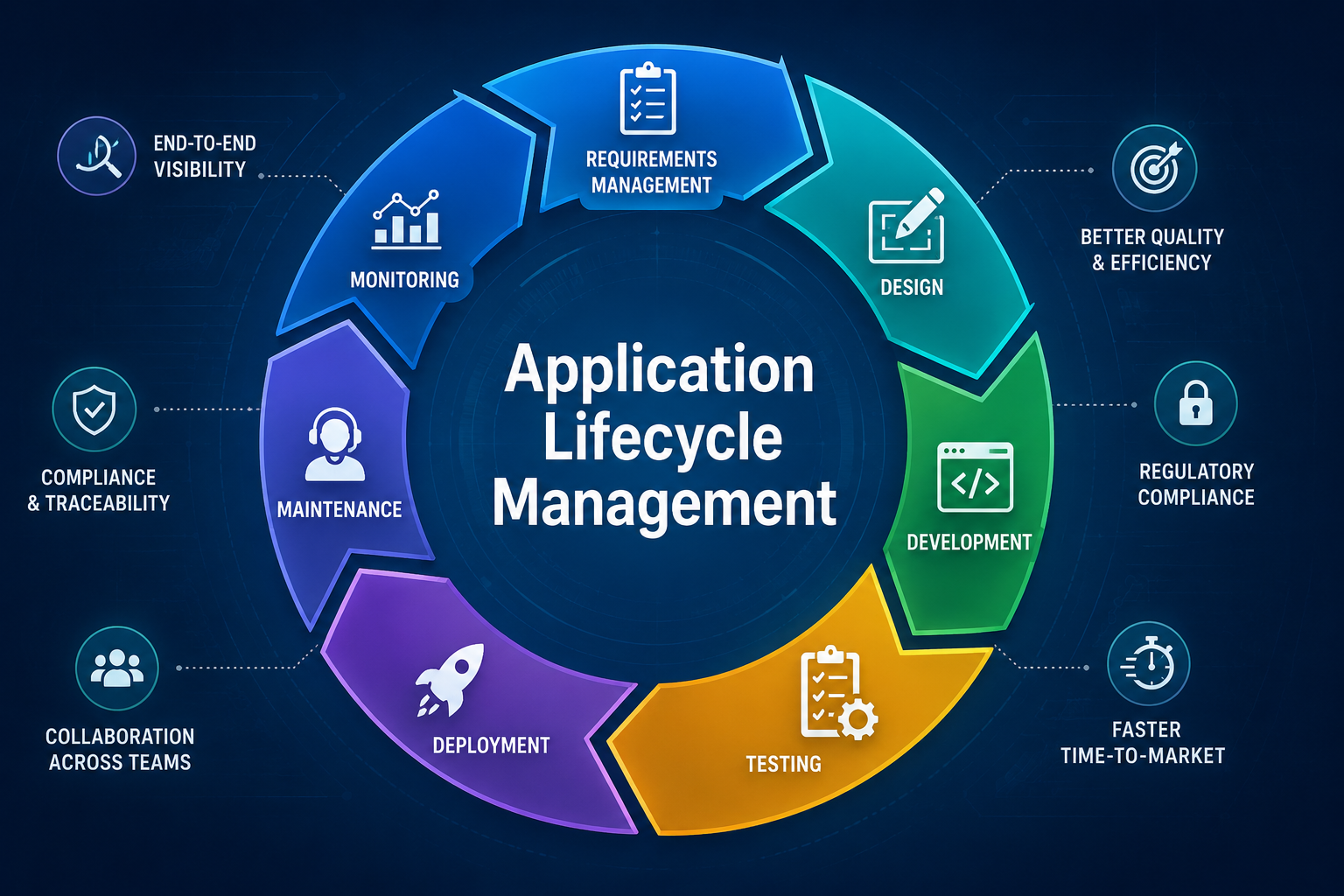
QKS Group, a premier market intelligence and advisory firm, has released its latest in-depth analysis of the global Application Lifecycle Management (ALM) Market for regulated industries, signalling a strong growth phase ahead. The new reports - 'Market Share: Application Lifecycle Management (ALM), 2024, Worldwide & Regional Report' and 'Market Forecast: Application Lifecycle Management (ALM), 2025-2030, Worldwide & Regional Report' - indicate the market is expected to grow at a compound annual growth rate of 15.72% through 2030. This analysis equips businesses with the strategic intelligence needed to navigate the evolving ALM landscape and make informed decisions as the market continues to mature.
Today’s software development environments are significantly more challenging than they were a decade ago. Organizations are expected to innovate rapidly while also meeting strict compliance requirements, cybersecurity standards, and customer expectations. In industries such as healthcare, automotive, aerospace, and defense, software failures can result in serious operational, financial, or safety consequences. This makes robust lifecycle management not just important but essential.
Application Lifecycle Management platforms provide a centralized framework to manage every stage of software development—from requirements gathering and design to testing, deployment, maintenance, and compliance reporting. These solutions help organizations improve visibility, maintain end-to-end traceability, and streamline collaboration between cross-functional teams.
One of the key reasons why the Application Lifecycle Management (ALM) Market matters today is the growing complexity of software-driven products. Modern applications often involve distributed architectures, embedded systems, cloud-native environments, and AI-powered functionalities. Managing these interconnected systems requires organizations to maintain clear documentation, version control, testing validation, and audit readiness throughout the development lifecycle.
Regulatory compliance is another major driver fueling market growth. Industries like healthcare and aerospace operate under strict standards that require organizations to demonstrate full traceability across software development processes. Regulatory frameworks often demand proof that every requirement has been tested, validated, and documented before deployment. ALM platforms simplify this process by creating a unified environment where all development artifacts, workflows, and testing activities are linked together.
In the healthcare industry, for example, software embedded in medical devices must comply with stringent regulatory standards to ensure patient safety and product reliability. Similarly, automotive manufacturers developing autonomous and connected vehicle systems must maintain rigorous testing and traceability standards to meet evolving compliance requirements. Aerospace and defense organizations also depend heavily on ALM solutions to manage mission-critical systems with high reliability and security requirements.
At the same time, businesses are under pressure to accelerate software delivery cycles. Agile and DevOps methodologies have transformed software development by enabling continuous integration, continuous testing, and faster product releases. However, balancing speed with governance and compliance can be difficult, especially in regulated environments. This is where ALM platforms provide significant value by integrating agile workflows with compliance management and quality assurance processes.
The rise of remote and globally distributed development teams has further increased the need for centralized collaboration platforms. ALM solutions allow developers, testers, compliance officers, project managers, and business stakeholders to work together within a single ecosystem. This improves communication, reduces errors, and ensures alignment across the software development lifecycle.
Cloud adoption is also reshaping the Application Lifecycle Management (ALM) Market. Many organizations are transitioning from traditional on-premise ALM systems to cloud-based platforms that offer greater scalability, flexibility, and accessibility. Cloud-native ALM solutions support real-time collaboration, automated workflows, and seamless integration with DevOps toolchains, making them increasingly attractive for enterprises undergoing digital transformation initiatives.
Artificial intelligence and automation are becoming major innovation areas within the ALM market as well. Vendors are introducing AI-driven capabilities to automate testing, identify development bottlenecks, predict project risks, and improve defect management. Intelligent analytics within ALM platforms can help organizations make faster decisions while improving software quality and operational efficiency.
Another important trend shaping the market is the growing integration of cybersecurity practices into the software lifecycle. As cyber threats continue to evolve, organizations are embedding security testing and vulnerability management directly into development workflows. Modern ALM platforms are increasingly supporting DevSecOps practices to ensure that security remains a continuous and integrated part of the application lifecycle.
The competitive landscape of the ALM market is evolving rapidly as vendors focus on innovation, interoperability, and industry-specific capabilities. Organizations are increasingly evaluating ALM providers based on their ability to support hybrid development environments, compliance automation, agile scalability, and integration with third-party engineering tools. Vendors that combine robust lifecycle management with advanced analytics and automation capabilities are gaining a competitive advantage.
The future outlook for the market remains highly positive. As industries continue adopting software-defined products, connected ecosystems, and intelligent automation technologies, the need for scalable and compliant lifecycle management solutions will continue to grow. Organizations are recognizing that effective application lifecycle management is no longer just a development tool—it is a strategic business capability that directly impacts innovation, operational efficiency, product quality, and customer trust.
The growing demand for digital engineering practices, combined with increasing regulatory scrutiny and rapid software innovation cycles, positions the Application Lifecycle Management (ALM) Market as one of the most important enterprise software segments over the next decade. Companies that invest in modern ALM platforms will be better equipped to accelerate innovation, maintain compliance, and deliver high-quality software in an increasingly competitive and regulated digital economy.
Nach Verein filtern
Read More
If you’ve been tending to your garden in Grow A Garden, you know how critical seasonal seeds are for maximizing both your harvest and in-game rewards. With each season bringing a fresh batch of seeds, choosing the right ones can make the difference between a modest garden and a thriving paradise. After spending hours experimenting with different packs, I’ve put together a seasonal...

"Executive Summary Hair Dryer Brush Market Size and Share Across Top Segments Global Hair Dryer Brush Market size was valued at USD 416.27 million in 2024 and is projected to reach USD 578.51 million by 2032, with a CAGR of 4.20% during the forecast period of 2025 to 2032.By utilizing few steps or a number of steps, the process of formulating this Hair Dryer Brush Market...

Seiko – A Legacy of Precision and Innovation Seiko is one of the most respected names in the global watch industry. Known for combining advanced technology with timeless craftsmanship, Seiko has built a strong reputation for producing reliable and stylish watches for decades. The brand is recognized for its innovation, attention to detail, and commitment to quality, making Seiko...

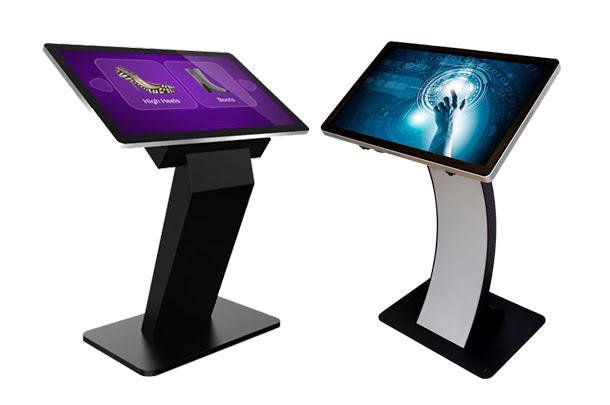
Proper placement, stable power supply, and user-friendly software ensure smooth touch screen use at events. CP IT Solutions LLC handles setup and support across Dubai. Book professional Touch Screen Hire Dubai, Call at +971501907735. Visit Us: https://www.itrentalsuae.com/touch-screen-rentals-in-dubai-uae/
Introduction: A country in motion As the number of international visitors for hajj an umrah Saudi Arabia Oct Group of Pilgrimage is increasing every year Saudi Arabia is going through major changes in its cities and transport systems. The need for travel has become increasingly evident since visitors and residents mainly rely on traditional taxi services, Uber, and intercity transportation....