


Marriage Blood Test and Genetic Screening: A Complete Overview
Marriage is a life-changing commitment that goes beyond emotional bonding and shared goals. It also marks the beginning of long-term health responsibilities between two individuals who may one day become parents. In this context, a marriage blood test and genetic screening play a crucial role in helping couples understand hidden medical risks before marriage.
Modern preventive healthcare encourages couples to undergo premarital screening to detect inherited disorders, infectious diseases, blood compatibility issues, and reproductive health risks. A complete overview of these tests helps couples make informed decisions, reduce future health complications, and plan a safer family life.
This guide explains how marriage blood tests and genetic screening work, what they include, and why they are important for building a healthy future together.
Why Genetic Screening Matters Before Marriage
Genetic screening has become an essential part of premarital healthcare because many inherited conditions remain hidden for years without showing symptoms.
Silent Genetic Conditions Are More Common Than Expected
A person may appear completely healthy while carrying genetic mutations. These individuals are known as carriers and often do not experience any symptoms themselves.
However, if both partners carry the same genetic mutation, their children may inherit the disorder.
Preventive Awareness Helps Families
Early detection allows couples to:
- Understand inherited disease risks
- Seek medical counseling
- Plan safe pregnancies
- Avoid unexpected genetic complications
This makes genetic screening an important step in responsible family planning.
What Is a Marriage Blood Test?
A marriage blood test is a combination of laboratory investigations performed before marriage to assess the overall health and genetic compatibility of a couple.
It typically includes:
- Genetic disorder screening
- Blood group and Rh factor testing
- Infectious disease screening
- General health evaluation
- Reproductive health assessment
The goal is not to evaluate relationship suitability but to provide medical clarity for future planning.
Understanding Genetic Screening in Marriage Blood Tests
Genetic screening is one of the most important components of premarital testing.
What Genetic Screening Identifies
This test checks whether a person carries gene mutations linked to inherited disorders.
Even if an individual shows no symptoms, they may still carry genetic risks that can be passed to children.
Common Genetic Disorders Screened
Marriage blood tests often include screening for:
- Thalassemia
- Sickle cell anemia
- Hemophilia
- Cystic fibrosis
- Tay-Sachs disease
Why Genetic Screening Is Important
Genetic testing helps couples:
- Identify carrier status
- Understand inheritance patterns
- Seek genetic counseling
- Make informed reproductive choices
This significantly reduces the risk of passing severe disorders to future generations.
Blood Group and Rh Factor Compatibility
Blood compatibility is another essential part of marriage blood testing.
Understanding Blood Groups
Human blood is categorized into:
- A
- B
- AB
- O
Each blood type may be Rh-positive or Rh-negative.
What Is Rh Incompatibility?
Rh incompatibility occurs when:
- The mother is Rh-negative
- The father is Rh-positive
- The baby inherits Rh-positive blood
Why It Matters in Pregnancy
If not managed properly, Rh incompatibility may lead to:
- Pregnancy complications
- Newborn anemia
- Immune reactions in the mother
Early detection allows doctors to provide preventive treatment, ensuring safe pregnancy outcomes.
Infectious Disease Screening Before Marriage
Another key part of premarital testing is detecting infections that may not show symptoms early.
Common Infections Included
Marriage blood tests usually screen for:
- HIV
- Hepatitis B
- Hepatitis C
- Syphilis
Why Early Detection Is Important
These infections may silently affect health and can lead to:
- Fertility problems
- Pregnancy complications
- Transmission between partners
- Long-term organ damage
Early diagnosis ensures timely treatment and prevention.
General Health Assessment in Genetic Screening Packages
Marriage blood tests also include general health evaluations that provide a broader understanding of physical wellness.
Complete Blood Count (CBC)
CBC helps evaluate:
- Red and white blood cells
- Hemoglobin levels
- Platelet count
Conditions Detected
- Anemia
- Infections
- Immune system imbalances
- Nutritional deficiencies
Why It Matters for Couples
Good general health supports fertility, pregnancy, and long-term family stability.
Role of Reproductive Health in Genetic Screening
Some premarital tests include reproductive health assessments to evaluate fertility potential.
What Reproductive Screening Includes
- Hormone level analysis
- Ovulation health
- Sperm quality indicators
- Reproductive infections
Why It Is Important
Fertility awareness helps couples:
- Plan pregnancies effectively
- Identify reproductive challenges early
- Seek timely medical support
Step-by-Step Process of Marriage Blood Testing
Understanding the process helps couples feel more comfortable with testing.
Step 1: Medical Consultation
Doctors review:
- Family medical history
- Genetic risks
- Past illnesses
- Fertility concerns
Step 2: Blood Sample Collection
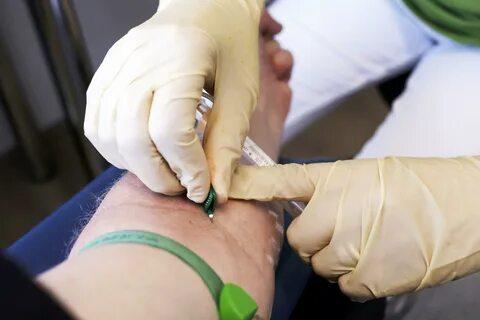
A simple blood sample is collected from both partners.
The process is quick and minimally invasive.
Step 3: Laboratory Analysis
Samples are tested for:
- Genetic markers
- Infectious diseases
- Blood compatibility
- Health indicators
Step 4: Result Interpretation
Doctors explain findings and recommend next steps if needed.
Understanding Genetic Screening Results
Interpreting results is essential for making informed decisions.
Normal Results
Indicate:
- No genetic risks detected
- No infections present
- Healthy blood profile
- Stable general health
Carrier or Risk Results
May show:
- Carrier status for genetic disorders
- Treatable infections
- Mild deficiencies
- Blood compatibility concerns
What Happens Next
Doctors may recommend:
- Genetic counseling
- Medical treatment
- Lifestyle changes
- Follow-up testing
Benefits of Marriage Blood Test and Genetic Screening
Premarital screening provides several long-term advantages.
1. Protection of Future Children
Genetic screening reduces the risk of inherited disorders in future generations.
2. Safer Pregnancy Outcomes
Early detection of blood and health risks ensures safer pregnancies.
3. Early Disease Prevention
Infections and health conditions can be treated before they cause complications.
4. Better Family Planning Decisions
Couples can make informed choices about timing and pregnancy planning.
5. Improved Emotional Understanding
Open communication about health strengthens trust between partners.
Genetic Counseling: A Key Support System
When risks are identified, genetic counseling becomes essential.
What Genetic Counselors Do
They explain:
- How genetic diseases are inherited
- Risk levels for children
- Reproductive options
- Preventive healthcare strategies
Why Counseling Helps
It reduces confusion and helps couples make informed, stress-free decisions.
Common Misconceptions About Genetic Screening
Several myths still exist about marriage blood tests.
Myth 1: Only Sick People Need Testing
Many genetic conditions are silent and only detectable through screening.
Myth 2: It Determines Marriage Suitability
These tests are purely medical and do not assess emotional compatibility.
Myth 3: Healthy Couples Don’t Need Screening
Even healthy individuals may carry hidden genetic risks.
Preparing for Marriage Blood and Genetic Tests
Preparation is simple but important.
Share Medical History
Include:
- Family genetic disorders
- Chronic illnesses
- Previous infections
- Fertility concerns
Follow Instructions Carefully
Some tests may require fasting or specific preparation.
Ask Questions
Couples should openly discuss concerns about genetics and family planning.
Why Marriage Blood and Genetic Screening Is Becoming Essential
With increasing awareness of preventive healthcare, more couples are choosing premarital screening as part of responsible marriage planning.
Modern medicine emphasizes early detection, reduced risk, and healthier future generations, making genetic screening an important part of marriage preparation.
Final Thoughts
Marriage blood test and genetic screening provide a complete overview of a couple’s health before marriage. These tests help identify genetic disorders, infectious diseases, blood compatibility issues, and reproductive health risks early.
More importantly, they support preventive healthcare, informed decision-making, and responsible family planning. By understanding genetic and medical risks in advance, couples can build a healthier and more secure future together.
Marriage is not only an emotional bond but also a shared health journey. Genetic screening ensures that this journey begins with awareness, care, and long-term protection for future generations.
Categorieën
Read More
In today’s competitive business environment, organizations rely heavily on integrated software solutions to manage operations efficiently. One of the most widely adopted enterprise resource planning (ERP) systems across the globe is SAP. As businesses continue to digitize processes related to finance, human resources, supply chain, sales, and analytics, the demand for skilled SAP...

Negli ultimi anni, il mondo delle scommesse online ha conosciuto una crescita straordinaria. Sempre più persone scelgono di utilizzare siti scommesse per seguire eventi sportivi, analizzare statistiche e vivere un’esperienza di intrattenimento coinvolgente direttamente dal proprio computer o dispositivo mobile. In questo contesto, aziende come asinoedizioni osservano con interesse...

If you’re exploring the world of disposable vapes, understanding raz vapes flavors is a great place to start. These flavors are designed to offer a smooth and consistent vaping experience for both new and seasoned users. I’ve spent some time testing various options and learning about what makes each flavor unique. The range is broad, and whether you prefer fruity, sweet,...

" According to the latest report published by Data Bridge Market Research, the Opaque Polymers Market The global opaque polymers market size was valued at USD 3.86 billion in 2025 and is expected to reach USD 8.59 billion by 2033, at a CAGR of 10.50% during the forecast period. The persuasive Opaque Polymers Market report covers several topics including market trend...

As per Market Research Future, the global Flying Cars Market is poised for dramatic growth in the coming years. Emerging Market DynamicsThe flying cars industry is being driven by several converging forces. First, rising environmental concerns have pushed demand for sustainable transport solutions, and e-VTOL (electric vertical takeoff and landing) flying vehicles offer a cleaner...