


How a Cooling Conveyor Works in Food Production Lines
Here is the complete, SEO-optimized guest post article:
How a Cooling Conveyor Works in Food Production Lines
In any high-speed food manufacturing operation, heat is both a tool and a challenge. Ovens, fryers, extruders, and pasteurisers all apply heat as an essential part of the production process — but once that thermal stage is complete, the product must be brought down to a safe, stable temperature before it can be packaged, inspected, or transferred to the next process stage. This is precisely where the cooling conveyor earns its place as one of the most operationally critical pieces of equipment on any food production line. For food processing plant owners, factory managers, and production engineers across Pakistan and South Asia, understanding how cooling conveyors work — and how to choose the right one — is essential to maintaining product quality, line efficiency, and food safety compliance.
What Is a Cooling Conveyor?
A cooling conveyor is a mechanised material handling and thermal conditioning system designed to reduce the temperature of food products continuously and uniformly as they travel along a conveyor belt between a heat processing stage and downstream packaging or handling operations. Unlike batch cooling methods that require products to be held in static trays or chambers, a cooling conveyor integrates directly into a continuous production line — receiving hot product at one end and delivering it at a controlled, safe temperature at the other, without interrupting production flow. Cooling is typically achieved through a combination of ambient air circulation, forced air fans, or in more advanced configurations, refrigerated air systems — all directed across the product surface as it moves along the conveyor length at a controlled belt speed.
Key Features & Benefits
A well-specified cooling conveyor delivers measurable benefits across both product quality and production efficiency:
- Continuous In-Line Cooling: By integrating directly between the heat processing and packaging stages, a cooling conveyor eliminates the need for batch cooling holds — maintaining a smooth, uninterrupted production flow and maximising overall line throughput.
- Controlled and Uniform Temperature Reduction: Forced air systems and adjustable belt speed work together to ensure every product unit receives consistent cooling exposure, preventing hot spots, surface condensation, and premature packaging failures.
- Compact Spiral and Z-Type Configurations Available: Where floor space is limited, spiral cooling conveyors stack the cooling path vertically — dramatically reducing the footprint required to achieve the necessary cooling dwell time within a constrained facility layout.
- Hygienic Construction for Food Environments: Food-grade stainless steel frames, open mesh belting for airflow penetration, and easy-access cleaning panels ensure that cooling conveyors meet the hygiene standards required in certified food processing facilities.
- Adjustable Cooling Intensity: Variable fan speeds and, in refrigerated systems, adjustable air temperature settings allow operators to fine-tune the cooling profile for different product types, sizes, and post-process temperature requirements on the same line.
Industrial Applications
The cooling conveyor is a standard component across a wide range of food and confectionery production environments:
Biscuit and Cookie Manufacturing lines rely on cooling conveyors positioned immediately after tunnel ovens to bring baked products down from baking temperatures to ambient or near-ambient conditions before cream sandwiching, chocolate enrobing, or flow-wrap packaging — processes that require a fully cooled, dimensionally stable product. Chocolate and Confectionery Production facilities use cooling conveyors with refrigerated air systems to set enrobed chocolate coatings rapidly and uniformly after enrobing, preventing bloom, surface defects, and deformation during subsequent handling. Extruded Snack Food Plants integrate cooling conveyors between the extrusion and frying or seasoning stages, and again between frying and packaging, to manage the thermal conditioning of high-volume, fragile products. Bread and Bakery Operations use long ambient cooling conveyors — sometimes in spiral configuration — to bring loaves and rolls to safe slicing and packaging temperatures after tunnel oven baking. In meat and poultry processing, cooked product cooling conveyors form a critical food safety control point, reducing cooked product temperatures through the danger zone rapidly and consistently. Pasta and Noodle Production Lines use cooling conveyors after drying stages to condition product before cutting and packaging, ensuring dimensional stability and preventing moisture reabsorption.
How to Choose the Right One
Selecting the right cooling conveyor for your production line requires evaluating several product, process, and facility-specific factors:
- Define Your Required Temperature Drop and Dwell Time — Calculate the starting temperature of your product leaving the heat process and the target temperature required before packaging. The difference between these two figures, combined with your line speed and product thermal mass, determines the total cooling conveyor length or dwell time needed.
- Assess Your Available Floor Space — If linear floor space is limited, a spiral cooling conveyor or Z-type elevated configuration can achieve long cooling dwell times within a compact footprint. For facilities with adequate linear space, a straight or serpentine layout may be simpler and more cost-effective.
- Match Cooling Method to Product Requirements — Ambient forced-air cooling is sufficient for most baked goods and extruded snacks. Products with chocolate coatings, cream fillings, or high moisture content may require refrigerated air cooling to achieve the necessary temperature reduction within an acceptable line length and without condensation issues.
- Specify Belt Type for Your Product — Open mesh stainless steel or plastic modular belting maximises airflow contact with the product surface. Solid belting suits fragile or small products that would fall through open mesh. Match belt aperture to product geometry carefully.
- Consider Hygiene and Cleanability Requirements — In certified food facilities, the cooling conveyor must be fully accessible for daily cleaning and periodic deep cleaning. Specify open-frame construction, tool-free belt removal, and stainless steel throughout for food contact zones.
- Evaluate Integration with Upstream and Downstream Equipment — Belt height, width, speed range, and infeed and discharge configurations must align precisely with your oven, fryer, or extruder output on one side and your packaging or cutting equipment on the other.
Why Quality Matters
The cooling conveyor sits at a particularly sensitive point in the food production process — between a heat treatment stage and the final packaging of a finished product. Any failure at this stage carries compounded consequences. A cooling conveyor that delivers inconsistent temperature reduction can result in product reaching packaging lines above safe temperature thresholds — creating condensation inside packaging, accelerating microbial activity, and shortening shelf life in ways that may not become apparent until the product is already in retail distribution. For chocolate and confectionery lines, inadequate or uneven cooling causes bloom, deformation, and surface defects that result in wholesale product rejection. Poorly constructed frames and belting with inadequate cleaning access become chronic hygiene liabilities in facilities operating under food safety certification. Investing in a robustly engineered, properly specified cooling conveyor — built from food-grade materials, fitted with reliable drive and fan systems, and designed for thorough cleaning — is not a refinement. It is a fundamental requirement for any food production line operating to commercial and regulatory standards.
Conclusion
The cooling conveyor is rarely the most glamorous piece of equipment on a food production line, but it is consistently one of the most consequential. Get it right and your production line flows smoothly, your products arrive at packaging in perfect condition, and your food safety controls remain intact. Get it wrong and the downstream consequences — in product quality, shelf life, regulatory compliance, and line efficiency — are both immediate and ongoing. Whether you are commissioning a new biscuit line, expanding a confectionery facility, or upgrading an existing bakery operation, specifying the correct cooling system from the outset is a decision that pays dividends across years of production. For those ready to evaluate proven options, you can explore full specifications and configuration details for an industrially engineered Cooling Conveyor designed for demanding food production environments.
Categorie
Leggi tutto
Introduction Muscle aches and stiffness can make the most mundane day-to-day activities really difficult. From extreme workouts and injuries of muscles to fibromyalgia and other chronic conditions, muscle pain affects millions around the world. Pain O Soma 350mg treats muscle pain and spasms effectively and helps regain comfort and mobility for the patients in no time. Understanding Muscle...
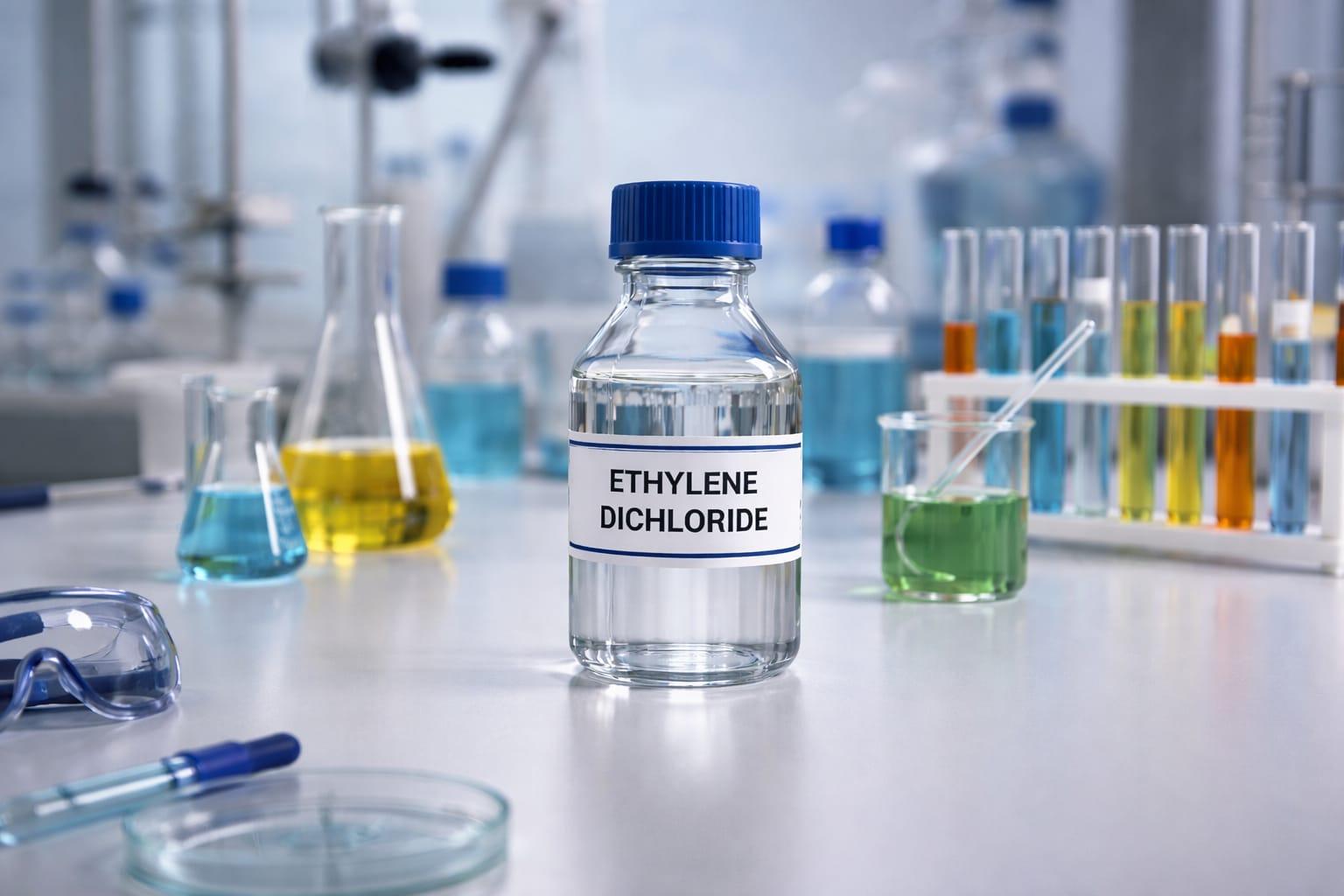
The global chemical market has been carefully observing the EDC Price Trend because Ethylene Dichloride (EDC) is an important raw material used in the production of PVC and other industrial products. Over the last few years, the market has seen several price movements due to changing demand, supply challenges, transportation costs, and shifts in industrial activity. Many manufacturers, traders,...
Windows play a crucial role in defining the comfort, appearance, and energy efficiency of any building. Whether it is a modern home, office space, or commercial project, choosing the best quality windows is essential for durability, insulation, and style. Arqtrace is known for delivering premium window solutions that combine strength, elegance, and advanced design technology to meet...

Netflix is charting new territory with its inaugural African original series, set to begin filming in 2019. 'Queen Sono' will feature Pearl Thusi, a celebrated South African actress, in the titular role of a skilled spy. The narrative promises a blend of high-stakes espionage missions and complex personal dynamics. This groundbreaking project is a collaboration with the Johannesburg-based...

Your device is your gateway to work, communication, entertainment, and essential information. But when viruses, malware, and security threats invade your system, everything can change in an instant. Slow performance, unexpected pop-ups, stolen data risks, and system failures can create serious disruptions that impact your productivity and peace of mind. Waiting for the problem to disappear is...
