


Understanding Insurance Options for Intercity Car Transport
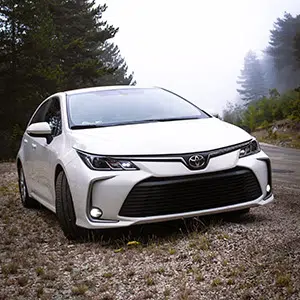
Transporting a car between cities can feel daunting, especially if it’s your first time. Whether you’re relocating for work, selling your car to someone in another city, or sending it for service or storage, one of the most important considerations is insurance. Vehicle transport involves long distances, different road conditions, and multiple handling points. Even with the best service providers, risks exist — from minor scratches to accidents or delays. Understanding the insurance options available for intercity car transport ensures peace of mind and financial protection throughout the journey.
Why Insurance Matters in Car Transport
When you hand over your car to a transport service, you’re essentially trusting a third party with one of your most valuable assets. Accidents are rare but not impossible. Road debris, weather conditions, or unexpected events can lead to damage. Without proper insurance, you could be left covering the repair costs yourself.
Insurance gives you protection against these potential losses. It ensures that if your vehicle is damaged during transit, you receive compensation based on the coverage terms. For many car owners, this peace of mind is worth the additional cost.
Types of Car Transport Insurance
Before you sign any agreement, it’s important to know that not all insurance is the same. There are typically three types of insurance offered or accepted in car transport services:
1. Carrier Liability Insurance
Most transport companies automatically include carrier liability insurance in their service. This policy covers damages caused by the carrier or its staff while the car is in their possession. However, this coverage often has limits. For example, it might only cover specific types of damage or up to a certain value.
For instance, if your car’s paint gets scratched during loading, carrier liability might cover it. But if the damage results from a natural disaster or another driver’s mistake, it may not. Always ask for written proof of coverage and read the fine print before agreeing.
2. Comprehensive Coverage Through Your Own Insurance
Some car owners prefer to use their personal auto insurance for added protection. Many auto insurance policies in the UAE include optional comprehensive coverage that may extend to transport situations.
Before relying on your personal insurance, call your provider and confirm whether it covers intercity or long-distance transport. If not, you can ask to add a temporary extension or rider for the duration of the transport. This approach often gives broader protection than standard carrier liability.
3. Supplemental or Third-Party Insurance
If the transport company’s coverage and your personal policy don’t fully meet your needs, you can buy supplemental insurance from an independent provider. This type of policy is tailored specifically for vehicle transport and can cover everything from minor scratches to total loss.
The advantage of supplemental insurance is flexibility. You can customize coverage levels and deductible amounts to suit your car’s value and your budget.
What’s Typically Covered
Insurance coverage can vary, but most policies include protection for:
- Physical damage: Scratches, dents, or broken parts resulting from handling or transport.
- Accidental damage: Collisions or accidents involving the transport vehicle.
- Theft: Compensation if the car is stolen during transport.
- Fire or natural disasters: Damage caused by events like floods or fires, if included in the policy.
It’s important to check what is excluded as well. For example, most policies don’t cover personal belongings left inside the car. Make sure your vehicle is empty before transport.
How to Evaluate the Right Insurance Option
When choosing insurance for intercity car transport, consider the following:
1. Vehicle Value
A luxury or high-end vehicle deserves higher coverage. The repair or replacement cost is significant, so paying a bit more for insurance makes sense. On the other hand, if you’re moving an older car with a lower market value, basic coverage may be enough.
2. Transport Distance and Route
Longer routes naturally carry more risk. A trip across several cities may involve multiple highways and rest stops, increasing exposure to potential issues. If your car is being moved from one busy city to another — for example, using a carlift dubai service — it’s smart to choose comprehensive coverage, since traffic density and transport frequency are high on that route.
3. Company Reputation
Always verify that the transport company is licensed and insured. Reputable providers will have no issue sharing insurance documents and explaining coverage limits. You can also read reviews or ask for references from past clients.
4. Policy Terms and Conditions
Never assume all insurance policies work the same way. Read through the details carefully. Pay attention to exclusions, deductibles, and claim procedures. For instance, some policies may require damage to be reported within 24 hours of delivery, while others allow up to three days.
The Claims Process Explained
In the unlikely event that your car arrives with damage, you’ll need to know how to file a claim. Here’s a typical step-by-step guide:
- Inspect the Car on Delivery: Always examine your vehicle before signing the delivery receipt. Check for new dents, scratches, or mechanical issues.
- Document Everything: Take clear photos or videos of the damage from multiple angles.
- Notify the Transport Company: Report the issue immediately to the driver or company representative. Make sure it’s noted on the delivery paperwork.
- Contact Your Insurance Provider: If you’re using your own or supplemental insurance, inform them right away. Provide all required documentation, including the contract, before-and-after photos, and damage estimates.
- Wait for Assessment: The insurer may send an adjuster to inspect the car or request a professional repair quote.
- Receive Compensation: Once approved, the insurer will reimburse you based on the coverage terms.
A clear understanding of this process helps you respond quickly and ensures that your claim isn’t delayed or rejected due to incomplete paperwork.
Common Mistakes to Avoid
Even with good intentions, many car owners make avoidable mistakes that affect their insurance claims. Here are some to watch out for:
- Not reading the fine print: Always know what’s covered and what’s not.
- Skipping pre-transport photos: Without proof of the car’s condition before transport, your claim could be denied.
- Leaving items inside the car: Personal belongings can shift during transport, causing internal damage not covered by insurance.
- Ignoring small print in exclusions: Some policies exclude damages caused by poor maintenance or pre-existing issues.
Being proactive can save you time and money later.
Tips for a Smooth, Worry-Free Transport
- Book early: Give yourself time to research and compare insurance options.
- Confirm documentation: Ensure both you and the transport company have copies of the insurance certificate and bill of lading.
- Keep your car clean: A clean vehicle makes it easier to spot damage before and after transport.
- Stay in communication: Maintain contact with the company throughout the process. Updates on pickup, transit, and delivery can help you stay informed.
Final Thoughts
Transporting a car between cities doesn’t have to be stressful. The key is preparation — and insurance plays a central role in that. Whether you rely on the transport company’s coverage, your own policy, or supplemental insurance, make sure the protection matches your vehicle’s value and your peace of mind.
A bit of research before booking can go a long way toward preventing headaches later. Always document your car’s condition, read the policy carefully, and work with a trustworthy transport provider. By understanding your insurance options and knowing what to expect, you can ensure that your car’s journey across cities is as smooth and secure as possible.
Catégories
Lire la suite
Market Overview and Growth Outlook The High-performance Pigments (HPPs) Market is projected to grow at a CAGR of 4.3% during the forecast period. Increasing adoption across automotive, construction, and industrial applications is driving steady demand for advanced pigment technologies. Growing vehicle production globally further strengthens consumption across coatings, plastics, inks, and...

In today's fast-moving marketplace, visibility is everything. Businesses that stand out capture attention, build trust, and generate more opportunities than their competitors. Whether you're launching a new product, promoting an event, or strengthening your brand identity, high-quality printing remains one of the most effective ways to communicate your message. The difference between being...

Gypsum ceilings have become a key feature in contemporary interior design across Dubai. Their elegance, versatility, and functional benefits make them a popular choice for both homes and commercial spaces. If you are looking for the Best Gypsum Ceiling Services in Dubai, UAE, it is important to work with professionals who can combine craftsmanship with modern design sensibilities. Why Choose...

In today’s fast-paced lifestyle, maintaining healthy and glowing skin has become more challenging than ever. Pollution, stress, poor diet, and lack of proper skincare routines all contribute to dullness, acne, dryness, and premature aging. This is why facial kits have become an essential part of modern skincare in 2026. They offer a complete, structured treatment that helps cleanse,...

The Methacrylic Acid Price Trend is an important topic for manufacturers, suppliers, traders, and businesses that rely on this chemical for different industrial applications. Methacrylic acid is widely used in the production of coatings, adhesives, plastics, paints, textiles, and various specialty chemicals. Since it is an important raw material, changes in its price can affect production costs...
