Conformal Coatings Market Analysis: The Expanding Role of Conformal Coating Materials in PCB Protection
Conformal Coating Materials: Advanced Protection for Electronic Assemblies
Conformal coating materials are specialized polymeric formulations designed to protect printed circuit boards and electronic components from environmental hazards such as moisture, dust, chemicals, temperature fluctuations, and mechanical stress. These materials form a thin, protective barrier that closely follows the contours of complex electronic assemblies, ensuring reliability and longevity in demanding operating conditions. As electronic devices proliferate across industries, high-performance conformal coating materials have become essential for manufacturers seeking durability and performance excellence.
What Are Conformal Coating Materials?
Conformal coating materials are thin protective layers applied to electronic assemblies after component soldering. The primary types include acrylic, silicone, epoxy, urethane, and parylene. Each material offers unique characteristics: acrylic provides easy application and reworkability, silicone excels in flexibility and high-temperature resistance, epoxy delivers superior chemical and abrasion resistance, urethane offers excellent toughness, and parylene provides ultra-thin, pinhole-free coverage through vapor deposition. These materials are available in solvent-based, water-based, UV-curable, and solventless formulations to suit different production needs.
Key Properties and Advantages
Conformal coating materials deliver outstanding dielectric properties, high insulation resistance, and excellent barrier protection against humidity and corrosive gases. They maintain performance across wide temperature ranges and resist abrasion, vibration, and thermal shock.
Major advantages include extended service life of electronic devices, reduced failure rates, prevention of short circuits and tin whisker growth, and protection during manufacturing, storage, and field use. Modern formulations are low-VOC, flame-retardant, and environmentally friendly, supporting sustainability goals while enabling faster production through UV and dual-cure technologies. Their reworkability in certain types also reduces repair costs and enhances flexibility in prototyping and maintenance.
Wide Range of Applications
Conformal coating materials are extensively used in consumer electronics, automotive electronics (especially EVs and ADAS systems), aerospace and defense avionics, medical devices, industrial automation, telecommunications equipment, LED lighting, and marine electronics. They are particularly valuable in harsh environments such as under-hood automotive applications, outdoor 5G infrastructure, oil & gas instrumentation, and implantable medical devices where failure is not an option.
Browse Full Insights:
https://www.polarismarketresearch.com/industry-analysis/conformal-coatings-market
Overview of the Conformal Coatings Market
The Conformal Coatings Market is witnessing steady growth driven by the expansion of consumer electronics, vehicle electrification, industrial automation, and 5G deployment. The global market was valued at USD 1.01 billion in 2024 and is projected to reach USD 1.81 billion by 2034, expanding at a CAGR of 6.1% from 2025 to 2034. Asia Pacific dominates with a 61.50% revenue share in 2024, supported by massive electronics manufacturing in China, Japan, South Korea, and Taiwan. North America is expected to register healthy growth fueled by advancements in automotive, aerospace, and defense sectors.
Key Players
Leading manufacturers driving innovation in conformal coating materials include Dow, Henkel AG & Co. KGaA, H.B. Fuller Company, Shin-Etsu Chemical Co., Ltd., Electrolube, Chase Corporation, MG Chemicals, Dymax, Europlasma NV, KISCO LTD., and Altana. These companies focus on developing sustainable, high-performance, and application-specific formulations to meet evolving industry demands.
Selection and Application Best Practices
Choosing the right conformal coating material depends on operating environment, thermal requirements, chemical exposure, and production volume. Thorough cleaning of the PCB to remove flux residues is critical before application. Common methods include spraying, dipping, brushing, and selective robotic coating. Masking of connectors and test points ensures functionality after coating. Proper curing and inspection using UV light or automated optical systems verify complete coverage and thickness consistency. Adhesion and environmental testing help validate long-term performance.
Future Outlook
The development of advanced conformal coating materials such as nano-enhanced, flexible, and highly thermal-conductive formulations will support next-generation electronics. Growing demand for eco-friendly, solvent-free, and UV-curable options, along with integration of AI in formulation development and process optimization, will shape the market. Miniaturization trends, rising EV adoption, and IoT expansion will further accelerate demand for high-reliability protective materials.
In conclusion, conformal coating materials play a vital role in safeguarding modern electronics and ensuring their reliable operation in diverse environments. Their expanding use in the growing Conformal Coatings Market highlights the increasing importance of robust protection as electronic systems become more sophisticated and widely deployed. Manufacturers investing in quality conformal coating materials benefit from reduced failures, enhanced product reputation, and long-term cost savings.
More Trending Latest Reports By Polaris Market Research:
Nach Verein filtern
Read More
In the rapidly evolving oil and gas industry, sidetracking has become a crucial technique for improving well productivity and accessing new reservoir zones. One of the most reliable and efficient tools for this process is the openhole whipstock system. Designed to enable precise directional drilling without the need for casing, openhole whipstocks provide operators with flexibility, accuracy,...
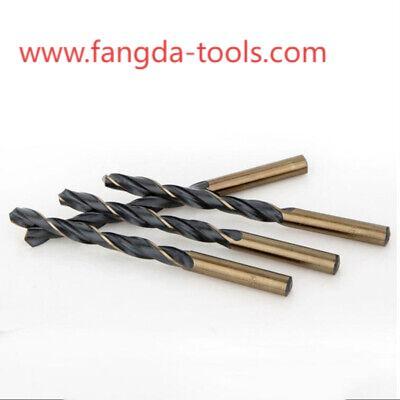
In modern manufacturing and construction, the HSS Twist Drill Bit from Fangda is recognized as a versatile and dependable solution for professionals and industries demanding consistent drilling performance. Designed with advanced metallurgy and cutting-edge engineering, it represents durability and precision across a wide range of applications. The demand for efficient drilling tools has grown...
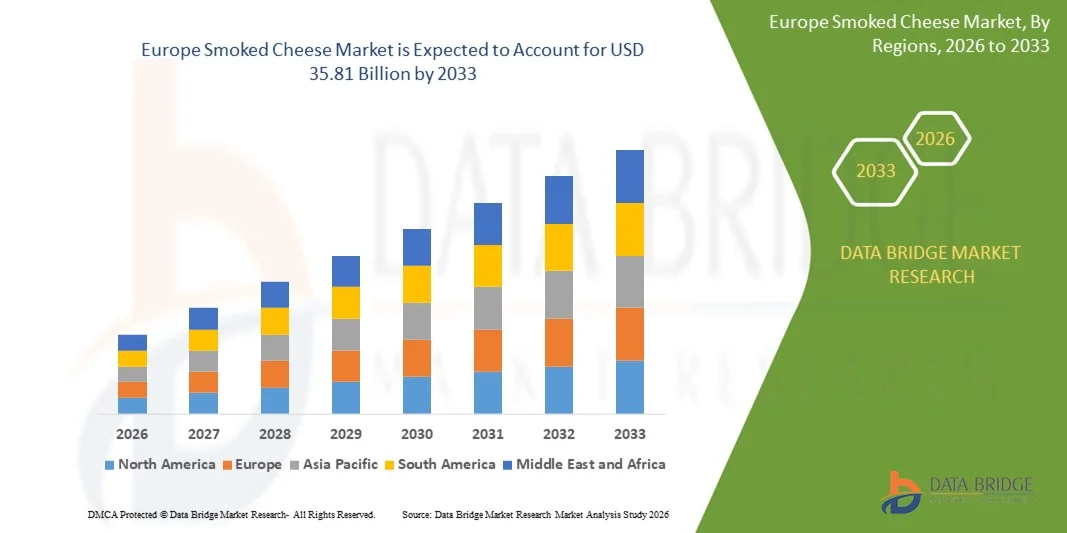
"Executive Summary Europe Smoked Cheese Market: Share, Size & Strategic Insights The Europe smoked cheese market size was valued at USD 24.23 billion in 2025 and is expected to reach USD 35.81 billion by 2033, at a CAGR of 5.00% during the forecast period The Europe Smoked Cheese report makes available a thoughtful overview of product specification,...
" Relational Database Market Summary: According to the latest report published by Data Bridge Market Research, the Relational Database Market The global relational database market size was valued at USD 69.24 billion in 2024 and is expected to reach USD 155.03 billion by 2032, at a CAGR of 10.60% during the forecast period DBMR team is focused on...

A confident smile can make a lasting impression, but many people feel self-conscious about stains, chips, or uneven teeth. If you’ve ever searched for Affordable Cosmetic Dentistry Near Me, you’re not alone. More patients today are looking for ways to enhance their smiles without stretching their budget. The good news is that with the right provider, achieving a beautiful smile is...