


Where a mini excavator works better than a skid steer for cutting
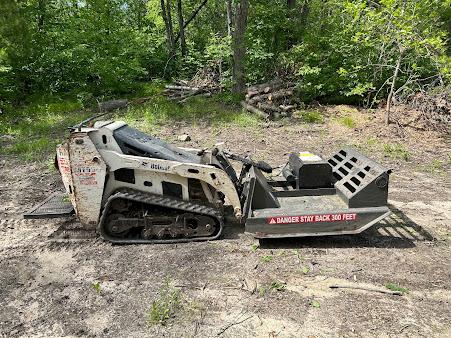
There’s always this debate on job sites. Skid steer or mini excavator. Which one actually gets the cutting work done better.
Truth is, both have their place. But they’re not equal. Not even close once terrain gets ugly or access gets tight.
And if you’ve ever run a mini excavator brush cutter, you already know it feels like a different kind of control compared to a wheel machine pushing straight into brush.
People usually figure this out the hard way, after wasting time trying to force the wrong machine into the wrong job.
Why cutting work isn’t just about power
Most people think more horsepower solves everything. It doesn’t.
Cutting brush, clearing land, dealing with overgrowth — it’s not just about spinning blades. It’s about positioning, reach, and control.
A skid steer is strong, sure. It pushes hard. It moves fast. But it has limitations when the ground gets soft or uneven.
That’s where a skid steer brush cutter usually starts struggling a bit. Not because it’s weak, but because it’s forced into conditions it wasn’t designed for.
Mini excavators play a different game.
Mini excavator advantage: reach changes everything
This is the biggest difference. No contest.
A mini excavator doesn’t need to drive into the mess. It stays back and reaches into it.
That matters more than people realize on real jobs like:
- Ditch clearing
- Fence line maintenance
- Roadside vegetation control
- Sloped terrain cutting
- Tight access areas behind structures
With a mini excavator brush cutter, you’re not pushing into danger zones. You’re working from a safe position and still getting full cutting control.
That alone changes productivity.
Less repositioning. Less stuck machines. Less cleanup from accidental damage.
Skid steer brush cutters work best on open ground
Now don’t get it wrong. Skid steers are still workhorses.
On flat, open land, a skid steer brush cutter setup is fast. Really fast.
You can:
- Cover large areas quickly
- Move in straight lines
- Push through medium brush without stopping
But the key word is “open.”
Once terrain gets uneven, muddy, or tight… things change.
You start dealing with:
- Loss of traction
- Limited visibility in thick brush
- Machine positioning issues
- More back-and-forth movement
That’s when efficiency drops.
Safety difference nobody talks about enough
This part gets ignored until something goes wrong.
A skid steer goes into the cutting zone. That means operator and machine are physically inside the danger area.
A mini excavator works around it.
That distance matters when:
- Cutting near rocks or debris
- Working on unstable ground
- Handling thick, unpredictable brush
A mini excavator brush cutter gives a safer working angle. You’re not driving blindly into what you’re trying to cut.
Less exposure. More control.
Simple trade-off, but a big one.
Slopes and uneven terrain are where mini excavators win
This is where skid steers start to feel uncomfortable.
On slopes or soft ground:
- Stability becomes an issue
- Wheel slip happens
- Cutting consistency drops
Mini excavators stay planted better. Tracks distribute weight. Boom reach reduces need to reposition constantly.
And when you’re cutting vegetation on hillsides or drainage areas, stability matters more than speed.
No point being fast if you’re stuck halfway through the job.
Precision cutting is another big advantage
Skid steers are more “push and go.”
Mini excavators are more “place and control.”
That matters when you’re working:
- Around fences
- Near buildings
- Along irrigation lines
- Close to utilities or obstacles
With a mini excavator brush cutter, you can angle the head, control reach, and cut in tighter, more deliberate patterns.
It’s slower sometimes. But cleaner work.
And for municipal or commercial maintenance jobs, clean often beats fast.
Machine fatigue and long workdays
Nobody talks about this enough.
Skid steers working hard all day on brush cutting tend to:
- Heat up faster
- Work harder to maintain traction
- Require more repositioning fuel burn
Mini excavators, when used correctly, can stay more efficient in cutting cycles because they’re not constantly moving their base machine.
Less movement. More controlled cutting.
That adds up over long shifts.
Where skid steers still win easily
To be fair, skid steers aren’t losing everywhere.
They still dominate when:
- Land is flat and open
- Brush is light to medium
- Speed is the priority
- Material needs to be pushed or piled
In those situations, a skid steer brush cutter is hard to beat.
Fast cycles. Simple operation. Less setup.
No overthinking needed.
Cost vs flexibility reality check
Mini excavators with brush cutters usually cost more upfront when you factor attachments and setup.
But they give flexibility:
- Cutting
- Digging
- Trenching (with other attachments)
- General utility work
Skid steers are more direct. One job focus, but very efficient at it.
That’s why contractors often end up owning both eventually. Not because of preference. Because jobs demand it.
FAQ – Mini excavator vs skid steer cutting
Which machine is better for brush cutting overall?
It depends on terrain. Mini excavators win in tight, uneven, or sloped areas. Skid steers win in open flat land.
Is a mini excavator brush cutter slower than skid steer?
Sometimes yes in straight-line clearing, but it often saves time in repositioning and tight access work.
Can skid steer brush cutters handle thick brush?
Yes, but they perform best in stable, open environments with good traction.
Which is safer for roadside cutting?
Mini excavators are generally safer due to better reach and operator distance from cutting zone.
Do contractors use both machines?
Yes, many professionals switch between both depending on job type and terrain.
Final Thoughts
There’s no universal winner here. Just better tools for specific situations.
A skid steer brush cutter is fast, direct, and efficient on open ground. No argument.
But when terrain gets tricky, access gets tight, or precision matters more than speed, a mini excavator brush cutter starts making a lot more sense.
It’s not about replacing one with the other. It’s about knowing when each one earns its place.
And that’s usually what separates average operators from experienced ones not the machine they own, but how they use it.
الأقسام
إقرأ المزيد
Small dogs may be tiny in size, but they have big personalities, energy, and play needs. Whether you’ve got a lively Chihuahua, a curious Pomeranian, or a loyal Shih Tzu, choosing the right dog toys for small dogs is essential for their happiness and well-being. At Animals Pet Health, we understand that not all toys are created equal—especially when it comes to size and...

"District Heating Market Summary: According to the latest report published by Data Bridge Market Research, the District Heating Market The global district heating market size was valued at USD 209.35 billion in 2024 and is expected to reach USD 279.96 billion by 2032, at a CAGR of 3.70% during the forecast period. Getting thoughtful about competitive...

Kathmandu, the cultural heart of Nepal, is a perfect destination for hosting unforgettable private parties. Whether it’s a birthday, anniversary, engagement, or a casual get-together, the city offers a diverse range of venues—from luxurious hotels to cozy rooftop spaces. With the support of modern event management platforms and event space software, planning your private...

Best VPNs for Indian Channels When visiting the United States, access to many of your usual online destinations, especially Indian TV channels, can be restricted due to regional licensing laws. Platforms like Hotstar, Voot, and Zee5 often block users outside India, making it challenging to enjoy your favorite shows and content. However, there is a practical solution: using a Virtual Private...

Ok9 Đăng Ký: Hướng Dẫn Chi Tiết Để Tham Gia Thế Giới Cờ Bạc Trực TuyếnNếu bạn là một người yêu thích các trò chơi cờ bạc trực tuyến, chắc chắn bạn đã nghe đến Ok9 - một trong những nhà cái hàng đầu tại Việt Nam. Việc đăng ký tài khoản tại Ok9 không chỉ đơn giản mà còn dễ dàng hơn bạn...