


How PEG Pharmaceutical Grade Is Powering the Next Generation of Drug Delivery Systems
The demand for PEG pharmaceutical grade continues to rise steadily as the pharmaceutical industry seeks high-purity, biocompatible materials for advanced drug formulations and delivery systems. This specialized grade meets stringent regulatory requirements for purity, safety, and consistency, making it essential for human-use applications.
Understanding PEG Pharmaceutical Grade
PEG pharmaceutical grade refers to polyethylene glycol produced under strict quality controls, often adhering to pharmacopeial standards such as USP, EP, or JP. These grades feature minimal impurities, low heavy metal content, controlled molecular weight distribution, and excellent batch-to-batch consistency. Unlike industrial grades, pharmaceutical variants undergo additional purification and testing to ensure they are safe for ingestion, injection, or topical application.
Common pharmaceutical grades include PEG 3350, PEG 400, and PEG 8000, each tailored for specific therapeutic needs. Their hydrophilic nature, low toxicity, and ability to modify drug behavior make them invaluable in modern medicine.
Key Applications in Pharmaceuticals
Pharmaceutical applications represent a major growth pillar for high-purity PEG. It functions as an excipient, binder, solubilizer, and stabilizer in tablets, capsules, ointments, syrups, and injectables. PEG enhances the solubility of poorly water-soluble drugs, improving bioavailability and therapeutic outcomes.
PEGylation technology stands out as a transformative application. By conjugating PEG chains to proteins, peptides, or small molecules, manufacturers create drugs with extended half-life, reduced immunogenicity, and better stability. This technique has enabled successful biologics for cancer, hepatitis, and autoimmune diseases.
PEG 3350 is widely recognized as an osmotic laxative in over-the-counter and prescription products for constipation relief. Its safety profile supports long-term use in bowel preparation before medical procedures. Recent product launches, such as Glenmark Therapeutics’ Polyethylene Glycol 3350 powder, highlight ongoing innovation in this space.
In ophthalmic solutions, PEG 400 provides lubrication and moisture retention for dry eye relief. It also serves as a base for suppositories and topical creams where controlled release and skin compatibility are critical.
Market Drivers and Growth Opportunities
Global Polyethylene Glycol Market is currently valued at USD 5.18 Billion in 2024 and is anticipated to generate an estimated revenue of USD 9.19 Billion by 2034, according to the latest study by Polaris Market Research. Besides, the report notes that the market exhibits a robust 5.9% Compound Annual Growth Rate (CAGR) over the forecasted timeframe, 2025 - 2034
Key drivers include surging pharmaceutical R&D spending, advancements in drug delivery systems, and the growing prevalence of chronic diseases requiring sophisticated therapies. As biologics and targeted drugs gain traction, the need for high-purity PEG as a drug modifier intensifies. Regulatory emphasis on safety further pushes manufacturers toward premium pharmaceutical grades.
Browse Full Insights:
https://www.polarismarketresearch.com/industry-analysis/polyethylene-glycol-market
Segmental Insights Relevant to Pharma
Flake/powder forms dominate revenue share due to easier handling, longer shelf life, and compatibility with dry pharmaceutical formulations. These forms ensure precise dosing and uniform dispersion in tablets and powders.
While PEG 200 leads overall fastest growth across sectors, higher molecular weight pharmaceutical grades like PEG 3350 and PEG 400 maintain strong positions in drug formulation and laxatives. Specialized “Other Grades” often include custom high-purity variants developed for novel therapies.
Regional Dynamics
North America leads in demand for PEG pharmaceutical grade due to advanced healthcare infrastructure, stringent regulatory standards, and high innovation in drug delivery. The region’s focus on product performance and compliance drives adoption of premium grades.
Asia Pacific holds the largest overall market share, supported by expanding pharmaceutical manufacturing, generic drug production, and rising healthcare investments. Europe follows with strong emphasis on quality and sustainability in pharma ingredients.
Key Players
Major companies actively supplying and innovating in PEG pharmaceutical grade materials include BASF, Dow Chemical Company, Clariant, Croda, Huntsman Corporation, India Glycols, INEOS, LOTTE Chemical, Rimpro India, and Shree Venkatesh Chemicals.
These players invest in high-purity production facilities, sustainable manufacturing processes, and partnerships to meet global pharmacopeial standards. Focus areas include expanding capacity for pharmaceutical-grade PEG and developing application-specific solutions.
Challenges in Production and Supply
Producing PEG pharmaceutical grade requires advanced purification technologies to eliminate trace impurities like ethylene oxide or 1,4-dioxane. Compliance with evolving regulations, such as those from FDA and EMA, adds complexity and cost. Supply chain stability for raw materials (ethylene oxide derivatives) remains a concern amid global disruptions.
Manufacturers address these through vertical integration, quality-by-design approaches, and investment in green chemistry to reduce environmental impact while maintaining pharmaceutical purity.
Future Trends and Innovations
The future of PEG pharmaceutical grade looks promising with advancements in nanotechnology, controlled-release systems, and personalized medicine. PEG-coated nanoparticles improve drug targeting and reduce side effects. Emerging applications in mRNA delivery, antibody-drug conjugates, and regenerative medicine further expand its potential.
Sustainability initiatives may lead to bio-based PEG alternatives or more efficient production methods. Continuous innovation in PEGylation chemistry will support next-generation therapeutics with improved efficacy and patient compliance.
Conclusion
PEG pharmaceutical grade stands as a critical enabler in the pharmaceutical industry, bridging safety, functionality, and innovation. Its role in enhancing drug performance through solubilization, stabilization, and PEGylation underscores its strategic importance.
As the Polyethylene Glycol Market grows steadily toward USD 9.19 billion by 2034, pharmaceutical-grade variants will continue driving premium segments. Stakeholders investing in quality, regulatory excellence, and technological advancement are well-positioned to thrive in this high-value space. With ongoing healthcare advancements and global demand for effective medicines, high-purity PEG remains foundational to progress in pharmaceutical science and patient care.
More Trending Latest Reports By Polaris Market Research:
Small Caliber Ammunition Market
Material Handling Equipment Market
Automotive Wiring Harness Market
Aircraft Electrical System Market
Categorie
Leggi tutto
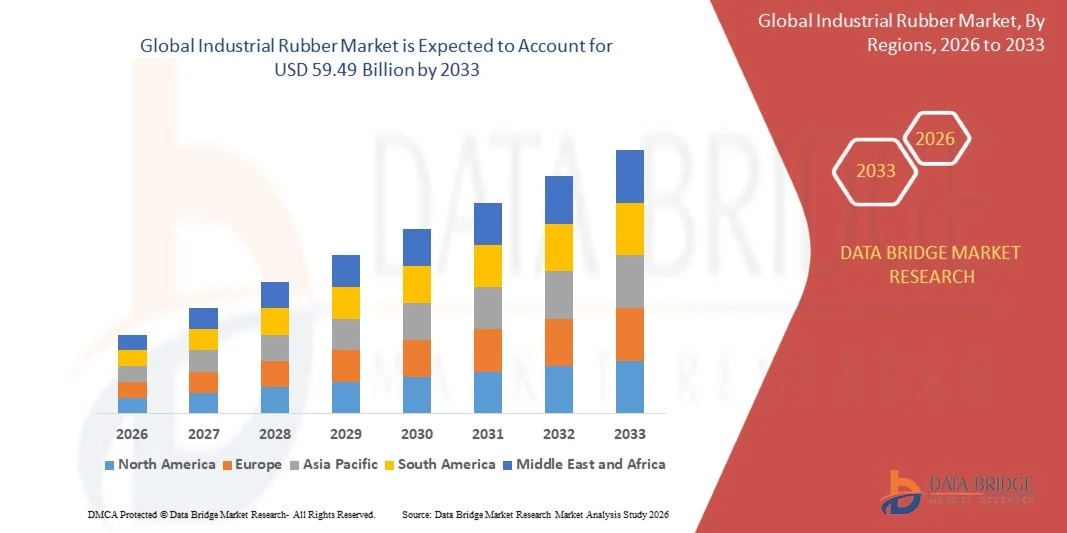
"According to the latest report published by Data Bridge Market Research, the Industrial Rubber Market The global industrial rubber market size was valued at USD 39.06 billion in 2025 and is expected to reach USD 59.49 billion by 2033, at a CAGR of 5.4% during the forecast period The large scale Industrial Rubber Market report evaluates CAGR value...
The Rubber Tired Gantry (RTG) Crane Market is witnessing steady growth as global container trade, port modernization, and logistics infrastructure development continue to expand. Rubber tired gantry cranes play a crucial role in container handling operations by enabling efficient stacking, loading, and transportation of shipping containers within ports, intermodal terminals, and freight yards....

Nintedanib price Philippines is frequently reviewed by hospitals, distributors, and procurement teams seeking structured bulk sourcing in the Philippines. Organizations evaluating commercial procurement often compare nintedanib 150 mg Price, nintedanib 100 mg cost, product availability, and international shipping while coordinating with a medicine supplier and an international pharmaceutical...

Trong thoi dai cong nghe so phat trien manh me, giai tri truc tuyen da tro thanh mot phan khong the thieu trong cuoc song hang ngay cua nhieu nguoi dung. Chi can mot thiet bi dien thoai thong minh hoac may tinh co ket noi internet, nguoi dung co the tham gia nhieu hinh thuc giai tri khac nhau mot cach nhanh chong va thuan tien. Trong boi canh do, NHÀ CÁI UY88 Work duoc...

The job market is evolving rapidly, and today’s students and job seekers need more than just academic qualifications to stay competitive. Employers increasingly look for candidates who can demonstrate practical skills, real-world experience, and the ability to adapt to changing technologies. As a result, professional training programs have become an important bridge between education and...