


Why Do Aircraft Fasteners Need Extreme Precision During Modern Aerospace Manufacturing?
Aircraft parts don’t get second chances once they’re in the air. That’s the reality aerospace manufacturers deal with every single day. A tiny flaw in a fastener might not look serious sitting on a workbench, but under vibration, pressure, and changing temperatures, small mistakes grow fast. That’s why aircraft fasteners manufacturers operate under such intense precision standards compared to regular industrial machining shops. Every thread, every diameter, every surface finish matters. There’s no room for “close enough” inside aerospace work. Fasteners hold structural assemblies together under constant stress, and failure is not some theoretical issue engineers talk about during meetings. It becomes a real safety problem immediately. Good aerospace machining focuses heavily on consistency because one perfect part means nothing if the next thousand vary slightly. And honestly, aerospace customers inspect everything aggressively anyway. Precision is expected, not praised. Manufacturers either meet those standards every run or they lose contracts pretty quickly. That industry moves brutally fast sometimes.
Small Fasteners Carry Massive Responsibility Inside Aircraft Systems
Most people never think about fasteners while boarding a plane. They notice engines, wings, electronics, maybe. But hidden underneath all that are thousands of precision components quietly holding everything together. Bolts, screws, pins, collars, threaded connectors. Tiny parts are doing serious work every second during flight. The challenge is that those components face nonstop stress. Vibration never really stops inside aircraft systems. Pressure changes constantly, too. Add temperature swings and heavy operational loads, and suddenly even the smallest fastener becomes critical. Aircraft fastener manufacturers understand that reliability matters more than flashy production numbers. One failed component can trigger expensive maintenance issues or worse. That’s why aerospace machining focuses so heavily on tight tolerances and repeatable production quality. Materials matter too. Aerospace alloys need strength without adding unnecessary weight. Titanium and specialty stainless steels are often used because durability matters more than machining convenience. Honestly, aerospace manufacturing demands precision at levels many other industries simply never encounter regularly.
Tight Tolerances Separate Aerospace Work From Ordinary Manufacturing
Aerospace machining gets difficult fast because tolerances keep shrinking while expectations keep climbing. Components need to fit perfectly under demanding conditions where vibration and movement constantly try to loosen assemblies apart. Even tiny dimensional drift can create stress concentrations later during operation. That’s partly why aircraft fastener manufacturers invest heavily in precision turning systems and advanced inspection processes. Standard machining setups sometimes struggle to maintain consistency on miniature threaded components, especially during large production runs. Aerospace customers notice variation immediately, too. Surface finish, thread quality, concentricity. Everything gets inspected carefully because reliability depends on every little detail working together correctly. Good shops understand precision manufacturing is really about process control more than speed alone. Anyone can machine a few decent-looking fasteners. Producing thousands with consistent dimensions and reliable performance under aerospace standards? Completely different challenge. And honestly, aerospace audits don’t leave much room for sloppy work either. Manufacturers either prove consistency repeatedly or they disappear from approved supplier lists pretty quickly.
Material Selection Creates Challenges Most People Never See
Machining aerospace materials isn’t exactly enjoyable sometimes. Titanium fights tooling aggressively. Heat builds fast. Stainless alloys can behave unpredictably if cutting conditions drift slightly wrong. But aerospace manufacturers use those materials because strength, corrosion resistance, and durability matter more than easy machining. Aircraft fastener manufacturers spend a lot of time balancing material performance with production efficiency because mistakes get expensive fast. Tool wear increases. Surface finishes shift unexpectedly. Dimensions move around if thermal control isn’t handled carefully. These aren’t small issues during aerospace production where tolerances stay extremely tight across large batches. Good machinists understand how different alloys react under varying speeds and cutting pressures. That experience matters constantly. Shops without strong aerospace machining knowledge usually struggle to maintain consistency once production scales up. Material science becomes just as important as machine capability, honestly. The best aerospace manufacturers understand both sides deeply. Otherwise, scrap rates climb quickly, and production schedules start collapsing under pressure nobody really wanted in the first place.
Swiss Screw Machining Helps Control Precision Better
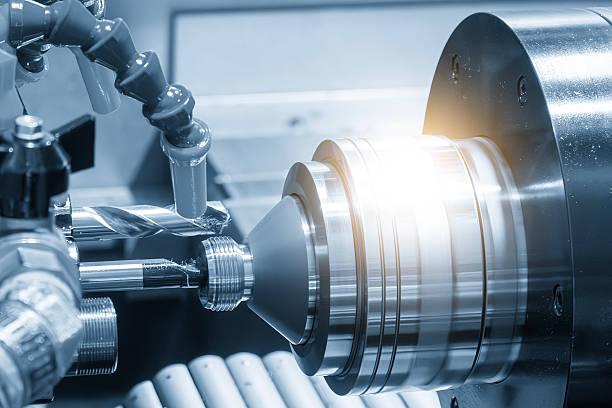
Tiny aerospace fasteners create stability problems during machining because small parts flex easily under cutting pressure. That’s where Swiss screw machining becomes extremely valuable in precision aerospace production. Unlike conventional setups, Swiss systems support material close to the cutting zone, which reduces vibration and deflection significantly. Long slender fasteners machine cleaner because the material stays stable throughout the process. That stability improves thread quality, dimensional accuracy, and surface finish all at once. Aerospace manufacturers care deeply about those details because fastener performance depends heavily on consistency. Another benefit is reduced handling between operations. Swiss systems often combine turning, drilling, threading, and milling into one continuous setup. Less movement means fewer opportunities for alignment errors or surface damage during production. Shops producing miniature aerospace components rely heavily on this process because precision becomes harder to maintain once part geometry gets small and complex. Honestly, Swiss screw machining solved production challenges that older machining methods struggled with for years.
Aerospace Production Depends Heavily On Repeatability
One perfect aerospace fastener isn’t impressive, honestly. Repeatability is what matters. Aircraft systems need thousands of components performing the same way under identical conditions. If one batch varies slightly from another, reliability problems start creeping into assemblies quietly over time. Aerospace customers know this already, which explains why inspections feel so relentless during production approvals. Aircraft fastener manufacturers focus heavily on process consistency because variation creates long-term risks nobody wants hiding inside critical systems. Machine calibration, tooling condition, temperature control, and material tracking. Everything gets monitored constantly during aerospace machining operations. Skilled machinists also matter more than people realize. Experienced operators notice subtle shifts before tolerances drift completely out of specification. Surface finishes change slightly. Tool pressure sounds different. Tiny warning signs show up early if somebody knows what to watch for. Good aerospace manufacturing feels repetitive sometimes because precision depends on stable, predictable processes running the same way day after day without unnecessary surprises appearing halfway through production runs.
Quality Control In Aerospace Is Honestly Relentless Sometimes
Aerospace quality control goes far beyond quick inspections at the end of production. Components get checked repeatedly throughout machining because catching problems early saves massive amounts of money later. Coordinate measuring machines, optical inspection systems, and thread verification equipment. Serious aerospace manufacturers use all of it constantly. Aircraft fastener manufacturers especially depend on detailed inspection routines because miniature threaded parts leave little margin for error once installed inside aircraft assemblies. A slight thread defect or dimensional shift can create performance issues later under operational stress. That’s why aerospace customers require extensive documentation, too. Material certifications, inspection records, and traceability reports. Everything gets tracked carefully from raw material arrival through final shipment. Honestly, the paperwork alone can feel exhausting. But aerospace manufacturing works that way because safety depends heavily on accountability and consistency. Shops unable to maintain strong inspection systems rarely survive long in aerospace supply chains. Customers expect proof of reliability, not vague promises about machining quality or production capability anymore.
Automation Helps Aerospace Shops Maintain Consistency Under Pressure
Modern aerospace production moves fast despite all the strict requirements involved. Customers still expect shorter lead times while demanding near-perfect quality standards. That pressure pushed manufacturers toward automation because manual workflows alone struggle to keep up consistently anymore. Swiss screw machining integrates especially well with automated systems since the process already focuses heavily on repeatability and stable production control. Bar feeders, robotic unloading systems, automated inspection stations. All of it helps aerospace shops increase efficiency without sacrificing precision. Automation also reduces manual handling between operations, which lowers opportunities for accidental damage or dimensional variation during production. Skilled machinists still drive the process, though. Machines don’t solve unexpected problems alone. Experienced operators recognize tool wear patterns, thermal shifts, and material behavior changes before quality issues spread across production batches. Honestly, aerospace manufacturing works best when automation and technical experience support each other instead of competing. Precision machining still depends heavily on human judgment, even inside highly automated facilities.
Complex Aerospace Designs Keep Pushing Manufacturing Limits Harder
Aircraft designs keep evolving constantly. Components are getting lighter, smaller, and more complex every year because fuel efficiency and performance targets keep tightening across the aerospace industry. That creates serious manufacturing pressure. Fasteners now need to handle higher loads while fitting tighter spaces inside increasingly compact assemblies. Aircraft fastener manufacturers deal with these challenges daily because engineering expectations rarely slow down anymore. Thin-wall sections, miniature threads, specialty coatings, exotic alloys. Modern aerospace fasteners require machining capabilities that older production methods sometimes can’t support reliably. Swiss machining systems help solve part of that problem because they maintain stability while producing intricate, small-diameter components under tight tolerances. But technology alone isn’t enough, honestly. Shops also need experienced engineers, disciplined quality systems, and machinists capable of solving unexpected production issues quickly. Aerospace manufacturing stays demanding because product performance depends directly on every tiny component functioning exactly as intended. There’s really no shortcut around that reality, no matter how advanced the equipment becomes.
Precision Aerospace Manufacturing Keeps Raising Standards Across The Industry
Aerospace manufacturing never really relaxes its standards. If anything, requirements keep becoming stricter as aircraft systems grow more advanced and customer expectations rise higher every year. That’s why Swiss screw machining continues gaining importance across precision aerospace production environments. The process supports miniature complex fasteners while maintaining the consistency aerospace customers demand under intense operating conditions. Aircraft fastener manufacturers rely on these machining systems because modern aerospace assemblies leave almost no room for dimensional variation or unreliable performance. Precision matters constantly. From material selection through final inspection, every production stage affects how components behave later during actual flight operations. And honestly, aerospace customers remember quality problems for a very long time. Manufacturers surviving long-term usually do so because they have built stable, repeatable processes capable of handling extreme precision requirements without constant production failures. Aerospace machining stays difficult for good reason. Tiny components carry enormous responsibility once aircraft leave the ground, and real-world stress starts testing everything together.
Catégories
Lire la suite
Online gaming platforms continue to grow in popularity, and Fun Exchange has become a preferred choice for users looking for a smooth and engaging experience. Whether you're signing in for the first time or you're a regular player, understanding the Fun Exchange Login process can help you access your account quickly and securely. This guide explains everything you need to know about...

Two former employees of T-Mobile UK have recently been fined a substantial sum after being found guilty of data theft and sale. The individuals, identified as David Turley and Darren Hames, were ordered to pay a combined total of £73,700, which is approximately $121,000, during a hearing held at Chester Crown Court. This case, registered under case number T20100382, stems from their...

Understanding Boring Operations Boring is a machining process used to enlarge and finish existing holes with high precision. Unlike drilling, which creates a new hole, boring improves the diameter, alignment, and surface finish of a hole. Industries such as automotive, aerospace, and heavy engineering rely heavily on this process. A boring bar is commonly used to perform these operations. It...

According to the latest report published by Data Bridge Market Research, the Flavored Spirits Market Data Bridge Market Research analyses that the flavored spirits market which was growing at a value of 16.03 billion in 2021 and is expected to reach the value of USD 50.77 billion by 2029, at a CAGR of 15.50% during the forecast period of 2022-2029 Winning Flavored Spirits Market...

Il nuovo volto dei crypto casino I migliori crypto casino stanno cambiando il modo di vedere i pagamenti digitali nell’intrattenimento casino crypto online. Bitcoin continua a essere molto conosciuto, mentre altre criptovalute aggiungono flessibilità. Per gli utenti italiani, la scelta dovrebbe partire da sicurezza, licenza, trasparenza e condizioni. Controllare questi aspetti...