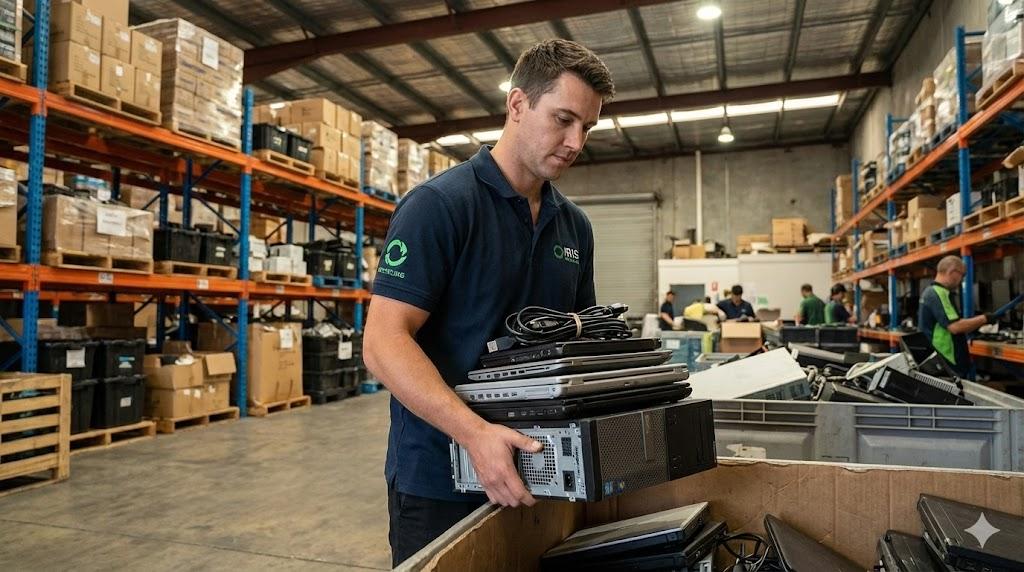
E-waste computer recycling is the process of collecting, dismantling, and reusing old or unwanted electronic computer equipment. As technology continues to evolve, businesses and individuals replace laptops, desktops, and servers more frequently than ever before. Instead of throwing these devices into landfills, recycling helps recover valuable materials while reducing environmental damage.
Computers contain metals, plastics, and electronic components that can often be reused or safely processed. Proper recycling prevents harmful substances from polluting the environment and supports a more sustainable approach to technology disposal.
Why Laptop Recycling Matters
Laptops are one of the most commonly replaced electronic devices. Many users upgrade their laptops every few years to improve speed, storage, or battery life. Unfortunately, discarded laptops can create serious environmental problems if they are not recycled properly.
Laptop recycling helps recover valuable materials such as aluminum, copper, and lithium from batteries and internal components. Recycling also reduces the demand for new raw materials, which helps conserve natural resources.
Another important benefit is data protection. Old laptops may still contain personal or business information even after files are deleted. Professional recycling companies often provide secure data destruction services to ensure sensitive information is completely removed before recycling begins.
Desktop Computer Recycling and Environmental Benefits
Desktop computers are still widely used in offices, schools, and homes. Over time, outdated desktops become slow, inefficient, or incompatible with modern software. Recycling these machines prevents electronic waste from piling up in storage rooms or landfills.
Desktop recycling allows reusable parts such as hard drives, RAM, processors, and power supplies to be refurbished or repurposed. Materials like steel, plastic, and circuit boards can also be separated and processed for future manufacturing.
Proper desktop recycling reduces greenhouse gas emissions by decreasing the need for mining and manufacturing new materials. It also supports a circular economy where electronics are reused instead of discarded after a short lifespan.
The Importance of Server Recycling
Servers are essential for storing and managing large amounts of digital data in businesses and data centers. Because servers operate continuously, they often become outdated faster due to performance and security requirements.
Server recycling is especially important because servers contain large quantities of valuable metals and electronic components. They are also heavier and more complex than regular computers, making responsible disposal even more necessary.
Professional server recycling involves carefully dismantling equipment, recovering reusable materials, and securely destroying sensitive data. Many businesses rely on certified recycling providers to ensure compliance with environmental and data security regulations.
By recycling old servers, organizations can reduce storage costs, minimize environmental impact, and improve sustainability practices within their operations.
Common Materials Recovered During Recycling
Recycling laptops, desktops, and servers helps recover several valuable materials that can be reused in manufacturing. Some commonly recovered materials include:
Metals
Computers contain metals such as copper, aluminum, steel, gold, and silver. These materials can be extracted and reused in new electronic products.
Plastics
Plastic casings and components can often be processed into raw materials for future manufacturing.
Electronic Components
Certain internal parts like memory modules, processors, and power supplies may still function and can be refurbished or reused.
Batteries
Laptop batteries contain materials that require special handling. Recycling helps safely recover useful materials while preventing hazardous waste contamination.
How the E-Waste Recycling Process Works
The recycling process for laptops, desktops, and servers usually involves several important steps.
Collection
Old computers and servers are gathered from homes, offices, or data centers.
Data Destruction
Storage devices are securely wiped or physically destroyed to protect confidential information.
Sorting and Dismantling
Devices are separated by type and carefully dismantled to remove reusable parts and recyclable materials.
Material Recovery
Metals, plastics, and electronic components are processed and prepared for reuse in manufacturing.
Responsible Disposal
Any non-recyclable materials are disposed of according to environmental safety standards.
Choosing a Reliable Recycling Service
Not all recycling providers follow the same standards. Choosing a trustworthy e-waste recycling company is important for both environmental protection and data security.
Look for recyclers that specialize in laptops, desktops, and servers. Reliable companies often provide secure data destruction, environmentally responsible recycling methods, and proper certifications.
Businesses should also ask about recycling reports and documentation, especially when disposing of large quantities of servers or office computers.
Conclusion
E-waste computer recycling plays a major role in protecting the environment and reducing electronic waste. Proper recycling of laptops, desktops, and servers helps recover valuable materials, prevents harmful pollution, and supports sustainable technology practices.
As technology continues to advance, responsible recycling becomes more important than ever. Whether for personal devices or large business systems, choosing proper computer recycling solutions helps create a cleaner and more sustainable future for everyone.