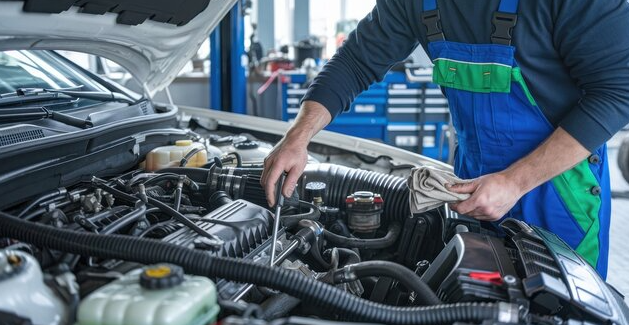
The check engine light is one of the most important warning indicators in your vehicle, yet it is also one of the most commonly ignored. Many drivers see it illuminate on the dashboard and continue driving without understanding the potential risks behind it. Whether the issue seems minor or serious, that small glowing light is your car’s way of signaling that something needs attention. Visiting a professional Auto repair shop in Lubbock County, Texas can help diagnose the problem early and prevent expensive repairs later.
Understanding What the Check Engine Light Means
The check engine light is part of your vehicle’s onboard diagnostics system (OBD). This system continuously monitors engine performance, emissions, and several other critical components. When something falls outside normal operating conditions, the system triggers the warning light.
There are two types of alerts you might see:
- A steady light, which usually indicates a non-emergency but still important issue.
- A flashing light, which often signals a more severe problem that requires immediate attention.
While the light itself does not tell you exactly what is wrong, it acts as an early warning system that something is not functioning correctly.
Common Reasons the Check Engine Light Turns On
There are many possible causes behind the check engine light. Some are minor, while others can lead to serious engine damage if ignored. Common reasons include:
1. Loose or Damaged Gas Cap
A loose gas cap is one of the simplest and most overlooked causes. It can affect fuel pressure and trigger the warning light.
2. Oxygen Sensor Failure
The oxygen sensor monitors how much oxygen is in your exhaust. A faulty sensor can reduce fuel efficiency and increase emissions.
3. Catalytic Converter Issues
The catalytic converter helps reduce harmful emissions. If it fails, your car may experience poor performance and higher pollution output.
4. Spark Plug or Ignition Coil Problems
Worn spark plugs or ignition coils can lead to engine misfires, reduced power, and difficulty starting the vehicle.
5. Mass Airflow Sensor Malfunction
This sensor controls how much air enters the engine. If it fails, your engine may struggle with fuel efficiency and performance.
Each of these issues can start small but become much more serious over time if not addressed promptly.
Why Ignoring the Check Engine Light Is Risky
Many drivers ignore the check engine light because the car still seems to run normally. However, this can be a costly mistake. Even if your vehicle feels fine, underlying issues may be developing.
Ignoring the warning can lead to:
- Decreased fuel efficiency, causing you to spend more on gas
- Reduced engine performance and power
- Increased emissions that may cause environmental harm
- Severe engine damage requiring expensive repairs
- Unexpected breakdowns while driving
What starts as a small sensor issue could eventually turn into a major engine failure if left unchecked.
How Modern Vehicles Help Detect Problems Early
Modern cars are equipped with advanced computer systems that continuously monitor engine health. When something goes wrong, the system stores a diagnostic trouble code (DTC). A professional mechanic can retrieve this code using specialized scanning tools.
These codes help technicians quickly identify the source of the issue, which saves time and prevents unnecessary repairs. However, interpreting these codes correctly requires experience, which is why professional diagnostics are important.
The Importance of Professional Inspection
While there are DIY diagnostic tools available, they often do not provide a complete picture of the problem. A certified technician can perform a thorough inspection that includes:
- Reading and interpreting diagnostic codes
- Inspecting engine components for physical damage
- Testing sensors and electrical systems
- Checking fuel and exhaust systems
- Identifying hidden issues that scanners may not fully reveal
A trusted mechanic can ensure the root cause is fixed rather than just clearing the warning light temporarily.
Preventing Check Engine Light Problems
Preventive maintenance is the best way to avoid unexpected warning lights. Regular vehicle care can significantly reduce the chances of engine issues.
Helpful maintenance tips include:
- Keeping up with oil changes
- Replacing air filters regularly
- Checking and tightening the gas cap
- Scheduling routine engine inspections
- Addressing minor issues before they worsen
Staying consistent with maintenance helps your vehicle run smoothly and extends its lifespan.
When You Should Seek Immediate Help
Not all check engine lights require emergency action, but some situations should never be ignored. You should seek immediate help if:
- The light is flashing instead of steady
- The vehicle is shaking or misfiring
- You notice a strong smell of fuel or burning
- There is a sudden loss of power
- The engine temperature rises unusually
These symptoms may indicate serious engine trouble that could worsen quickly if you continue driving.
Final Thoughts
The check engine light is not just a suggestion—it is a critical warning system designed to protect your vehicle and your safety. Ignoring it can lead to costly repairs, reduced performance, and unexpected breakdowns. By paying attention to early signs and seeking professional help when needed, you can keep your vehicle running efficiently for years.
If your check engine light comes on, the smartest decision is to have it inspected by a qualified technician as soon as possible. Prompt attention today can save you from major expenses tomorrow.