Wake Up With Premium Pure Kona Coffee
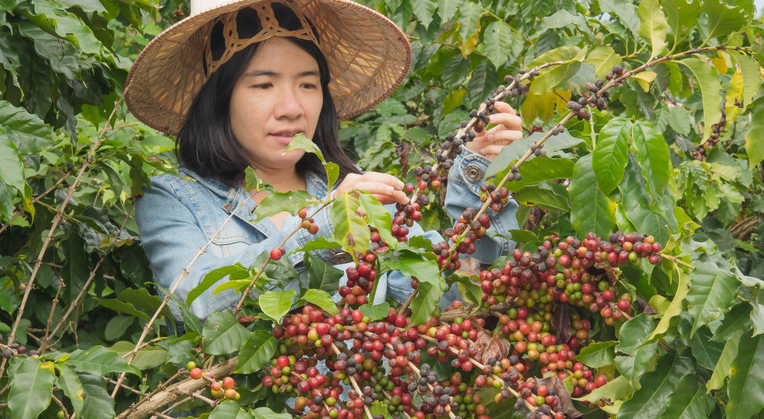
The journey toward understanding the prestige of premium pure Kona coffee begins with an examination of the unique geography found on the Big Island of Hawaii. This specific region occupies a narrow strip of land on the slopes of Mauna Loa and Hualalai volcanoes. The area is defined by its volcanic soil which is rich in minerals and porous enough to provide excellent drainage for the sensitive roots of the coffee trees. Unlike other coffee growing regions that rely on industrial fertilizers the Kona district benefits from the natural decomposition of volcanic rock.
This geological foundation creates a chemical composition in the fruit that results in a distinct flavor profile characterized by mild acidity and a delicate sweetness. The altitude of the farms typically ranging between five hundred and twenty five hundred feet ensures that the air remains cool while the morning sun provides necessary warmth. This combination of altitude and soil creates a microclimate that is nearly impossible to replicate in any other part of the world making the beans harvested here some of the most sought after commodities in the global specialty market.
Climatic Influence on Bean Development and Flavor
Meteorological patterns play a decisive role in the maturation of the coffee cherry within the Kona belt. The region experiences a consistent cycle known as the coffee weather which consists of bright sunny mornings followed by cloudy afternoons and gentle rain. This afternoon shade is a critical component because it protects the delicate trees from the intense tropical sun during the hottest part of the day. Without this natural canopy the fruit would ripen too quickly leading to a less dense bean and a simpler flavor profile. Slow maturation allows the sugars and essential oils within the seed to develop fully. When the harvest season arrives workers must navigate steep terrain to hand pick only the cherries that have reached peak ripeness.
This labor intensive process ensures that green or overripe fruit does not contaminate the batch. The result of this environmental harmony is a cup of coffee that exhibits notes of milk chocolate honey and a hint of jasmine. The balance of rain and sun ensures that the acidity remains bright but never harsh providing a smooth finish that has become the hallmark of the region.
Traditional Processing and Milling Techniques
Once the cherries are harvested they undergo a rigorous series of processing steps designed to preserve the integrity of the seed. The traditional wet method is most common in this region where the outer skin of the cherry is removed through pulping. The seeds are then placed in fermentation tanks to break down the mucilage layer. This stage is highly technical as under fermentation can leave the beans sticky while over fermentation can lead to sour flavors. Following the wash the beans are spread out on large drying decks known as hoshidanas.
These structures often feature retractable roofs to protect the coffee from sudden rain showers. Sun drying is preferred over mechanical drying because it allows for a more uniform moisture reduction which stabilizes the flavor precursors within the bean. After reaching the ideal moisture content of approximately eleven percent the coffee is stored in parchment form until it is ready for dry milling. The final stage of milling removes the parchment skin and sorts the beans by size and shape. Grading is a mandatory part of the local industry ensuring that only the highest quality extra fancy and fancy grades reach the consumer.
The Significance of Pure Kona Coffee Certification
Navigating the market for high end Hawaiian beverages requires an understanding of labeling laws and certification standards. Because of its high market value many products are sold as blends which may contain as little as ten percent of actual Hawaiian beans. To experience the true characteristics of the region a consumer must seek out certified pure Kona coffee which contains no filler beans from other origins. This certification is monitored by the Hawaii Department of Agriculture to prevent fraudulent labeling and to protect the economic interests of the small family farms that populate the district. The distinction between a blend and a pure product is significant in terms of both flavor and body. A pure product offers a singular origin experience where the nuances of the volcanic soil and maritime air are not diluted by cheaper varieties. Choosing a certified product also supports sustainable agricultural practices as the local growers adhere to strict environmental regulations regarding water usage and soil management.
Understanding these standards allows coffee enthusiasts to make informed decisions and appreciate the complex labor that goes into every bag of unblended Hawaiian beans.
Brewing Methods to Enhance Delicate Aromatics
To fully realize the potential of premium beans one must employ brewing techniques that respect the delicate nature of the roast. Professional tasters often recommend the pour over method or a standard drip brewer with a high quality paper filter to highlight the clean finish and floral notes. Water temperature should be maintained between one hundred and ninety five and two hundred and five degrees Fahrenheit to ensure proper extraction without scalding the oils.Grinding the beans immediately before brewing is essential as the aromatic compounds begin to dissipate once the cellular structure of the bean is broken.
A medium grind is generally preferred for most manual brewing methods to allow for an even flow of water through the grounds. For those who prefer a heavier body a French press can be utilized though it may mask some of the lighter citrus notes in favor of chocolatey undertones. Regardless of the method the goal is to achieve a balanced extraction that showcases the natural sweetness of the volcanic harvest. By paying attention to the water to coffee ratio and the quality of the filtration system a simple morning routine can be transformed into a sophisticated sensory experience.
Experience the Excellence of Buddhas Cup
When looking for an authentic connection to the traditions of the Big Island the offerings found at buddhas cup provide a direct link to the volcanic slopes of the Kona district. This estate focuses on maintaining the highest standards of cultivation and processing to ensure that every harvest reflects the unique terroir of their specific farm location. By managing every aspect of production from the nursery to the final roast they are able to offer a product that is consistently superior in both aroma and flavor.
The commitment to land stewardship and artisanal milling techniques makes their coffee a staple for those who value quality and transparency in their specialty beverage choices. Exploring their catalog reveals a dedication to the craft that has earned them numerous accolades within the industry. For anyone seeking a truly premium experience their selection represents the pinnacle of Hawaiian coffee production.
Conclusion
The enduring popularity of premium Hawaiian coffee is a testament to the perfect intersection of volcanic geology and meticulous human labor. From the initial planting in mineral rich soil to the final precision brew every step in the process is designed to highlight a flavor profile that is found nowhere else on earth. By understanding the importance of climate processing and pure certification consumers can better appreciate the value of this rare agricultural treasure. Selecting a high quality source ensures that the traditions of the Kona district continue to thrive while providing a superior morning ritual for coffee lovers around the globe. Establishing a high standard for what constitutes a premium cup allows for a deeper connection to the environment and the artisans who dedicate their lives to this unique craft.
Categorias
Leia Mais
Get updated and exam-focused Puppet-Certified-Professional Dumps and verified Puppet-Certified-Professional PDF Dumps from DumpsHero. Prepare confidently with expert-crafted study material designed to help you pass your Puppet-Certified-Professional certification exam on the first attempt. Puppet-Certified-Professional Exam Dumps to Achieve the Best Results on Your First Attempt DumpsHero...

Rumors swirl around the iconic villain's new face, yet Paul Bettany remains out of the loop. The acclaimed actor, a self-professed fan of the wizarding world, has received no official call for the role of Voldemort. The HBO series, a major multi-season undertaking, is deep into production across the pond. A fresh generation steps into Hogwarts' hallways, with new faces embodying Harry,...

In the arena of on-line gaming and sports betting, having a dependable app could make all the difference. The ReddyBook app download offers users a continuous platform for making bets on their preferred sports and casino games. Whether you’re a pro bettor or a newcomer, this app combines comfort, safety, and entertainment in one powerful bundle. Why Choose ReddyBook for Betting? Choosing...

Global Fuzzy-PID Hybrid Controller for Incinerator Combustion Optimization Market, valued at a robust US$ 353 million in 2024, is on a trajectory of significant expansion, projected to reach US$ 604 million by 2032. This growth, representing a compound annual growth rate (CAGR) of 8.2%, is detailed in a comprehensive new report published by Semiconductor Insight. The study highlights the...
In today’s modern homes, organization is no longer just about keeping things tidy—it’s about doing it with style. Homeowners are increasingly looking for décor pieces that serve multiple purposes, combining functionality with aesthetics. One such underrated yet highly practical item is the Buddha MDF Lock Box. Whether you need a secure place for personal belongings, a...