Corporate Training Trends Reshaping the Indian Workplace in 2026
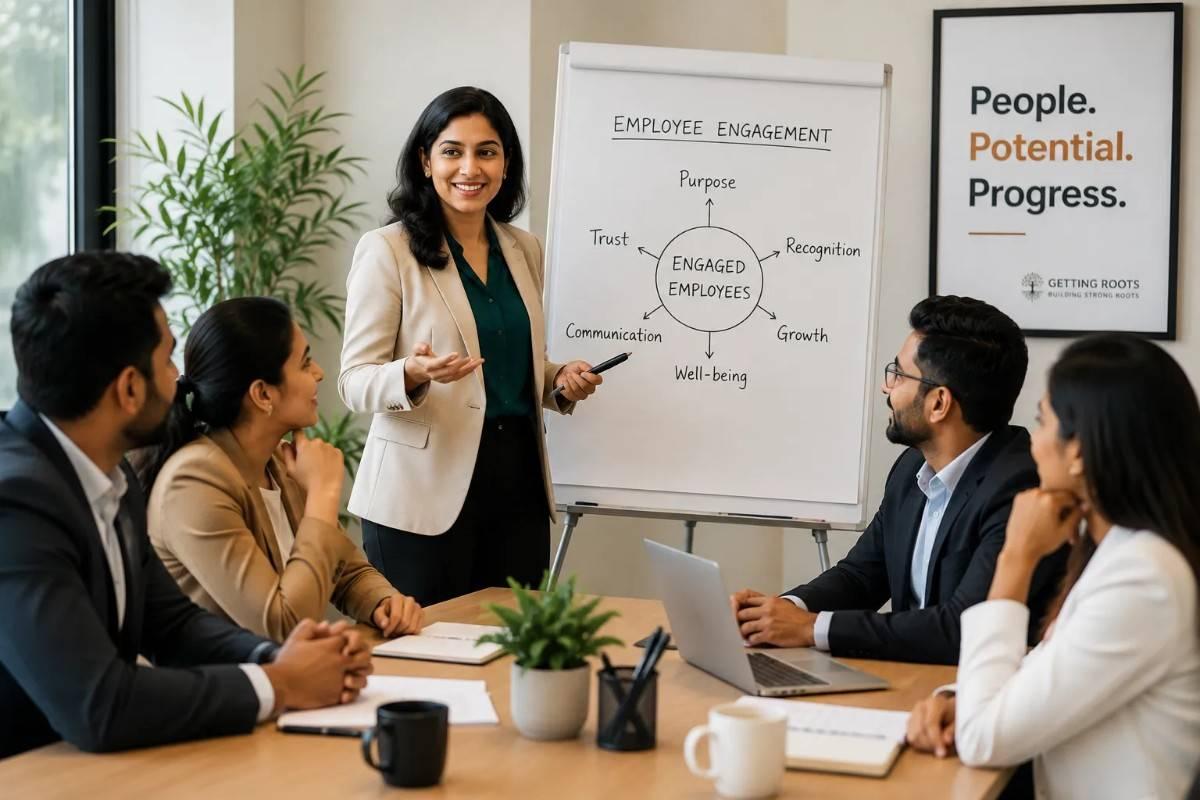
The Indian corporate landscape is undergoing a significant transformation in 2026. Rapid digitalization, demographic shifts, and the post-pandemic reimagining of work have together created a new set of demands on organizational learning and development. Classroom seminars and annual workshops no longer define corporate training in India — it is a dynamic, multi-modal, and deeply personalized discipline that sits at the heart of organizational strategy.
Here is a comprehensive look at the corporate training trends that are reshaping Indian workplaces and what forward-thinking organizations need to do to stay ahead.
1. Personalized Learning Journeys at Scale
One of the most significant shifts in corporate training is the move away from generic, one-size-fits-all programs toward individualized learning pathways. Employees at different career stages, with different learning styles and skill gaps, require different training interventions. Leading corporate training providers are using competency assessments, performance data, and learning behavior analytics to design customized training journeys for individual employees — at scale.
2. Blended Learning Models
In 2026, the most effective corporate training programs combine the best of in-person and digital delivery. Blended learning allows organizations to use technology for foundational knowledge delivery while reserving instructor-led sessions for higher-order skill development — application, practice, feedback, and reflection. Getting Roots offers both classroom and experiential training formats, allowing organizations to build blended programs that maximize engagement and retention.
3. Experiential and Outbound Training
There is growing recognition among Indian HR leaders that passive learning — sitting and listening — is far less effective than active, experiential learning. Outbound training programs, which use physical activities, real-world simulations, and team challenges to develop skills like leadership, resilience, and collaboration, are seeing surging demand. Companies investing in structured outbound corporate training report stronger team cohesion and faster skill transfer.
4. Focus on Emotional Intelligence and Interpersonal Skills
As automation handles more routine tasks, the skills that differentiate high-performing employees are increasingly human: empathy, communication, conflict resolution, adaptability, and collaboration. Corporate training programs in 2026 are placing far greater emphasis on emotional intelligence and interpersonal effectiveness — areas where Getting Roots has deep expertise through its soft skills training and coaching services.
5. Leadership Development at Every Level
The old model of leadership training reserved for senior executives is being replaced by a more democratic approach: developing leadership capability at every level of the organization. This reflects a recognition that leadership is not a title but a behavior — and that organizations need people capable of leading change, inspiring teams, and solving complex problems throughout the hierarchy. Corporate training programs designed for middle managers and emerging leaders are among the fastest-growing segments.
6. Compliance and Awareness Training
Regulatory requirements, workplace safety, and inclusion mandates are driving demand for structured compliance training. POSH (Prevention of Sexual Harassment) training, in particular, has become a legal and ethical necessity for Indian organizations. Getting Roots offers comprehensive POSH training programs that go beyond compliance checklists to build genuine cultures of respect and inclusion.
7. Data-Driven Training Design
In 2026, the most sophisticated organizations are using people analytics to drive training decisions. Which skills does the organization lack? Which teams have performance gaps? Where is attrition highest, and what role might skill development play in retention? These questions are being answered with data, making corporate training more targeted and its impact more measurable.
8. Manager-as-Coach Approach
A growing trend in corporate training is the development of coaching capabilities in frontline and mid-level managers. When managers can have effective developmental conversations, provide meaningful feedback, and support their teams' growth, the impact of formal training programs is amplified. Getting Roots offers specialized coaching and instructor training programs that help build this internal capability.
9. Well-being Integration in Training
Physical and mental well-being is increasingly recognized as a prerequisite for learning and performance. Progressive corporate training programs now integrate well-being dimensions — stress management, resilience building, work-life integration — as core components rather than afterthoughts. Getting Roots' holistic approach to training reflects this evolution, connecting professional skill development with personal well-being.
10. Partnerships with Specialized Training Providers
As organizations recognize the complexity and strategic importance of workforce development, there is a growing preference for partnering with specialized corporate training companies rather than relying entirely on in-house capability. Expert providers like Getting Roots bring industry perspective, custom program design, and facilitation excellence that internal teams often cannot replicate.
To explore corporate training solutions aligned with 2026's most impactful trends,
الأقسام
إقرأ المزيد
Introduction: One can also find exploring the spiritual and cultural beauty of Varanasi to be more convenient and fun when he/she has his/her means of transportation. The choice of two wheeler bike rent in varanasi because by choosing dependable bikes, one will be able to move around without using a bus or expensive taxis. Comfort and low cost be it in terms of time and money make renting a...

Polaris Market Research has published a brand-new report titled U.S. Earplugs Market Size, Share, Trends, Industry Analysis Report By Material (Foam, Silicone, Wax, Others), By Technology, By Type, By Noise Reduction Rating, By Application – Market Forecast, 2025–2034 that includes extensive information and analysis of the industry dynamics. The opportunities and...

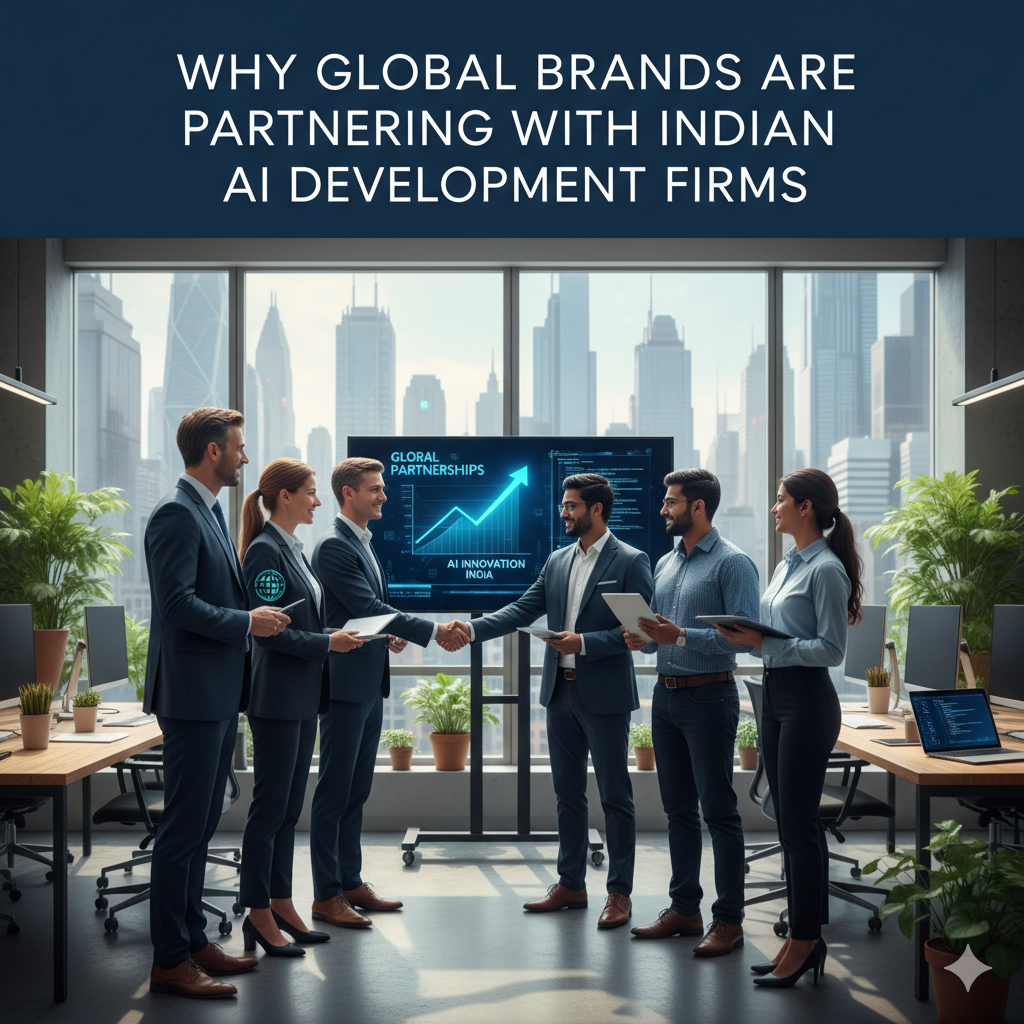
Over the past few years, India has transformed into one of the world’s leading destinations for artificial intelligence development. From innovative startups to global-scale enterprises, AI companies in India are helping reshape how businesses operate, scale, and innovate. Today, international brands across industries, healthcare, finance, retail, and manufacturing are increasingly...
In today’s fast-paced world, maintaining sharp focus, strong memory, and mental clarity has become more important than ever. Many people struggle with brain fog, forgetfulness, low concentration, and mental fatigue due to stress, poor lifestyle habits, and aging. This is where brain health supplements like Neuro Surge are gaining attention. If you are planning to order Neuro Surge from...

The wholesale market for antidepressant tablets in India has experienced substantial growth during the last few years because global mental health awareness continues to improve. People who need prolonged medical support and effective treatment solutions experience the most common health problems which include depression and anxiety disorders. Healthcare providers commonly prescribe the...