Complete Guide to Restoring and Protecting Your Log House Structure
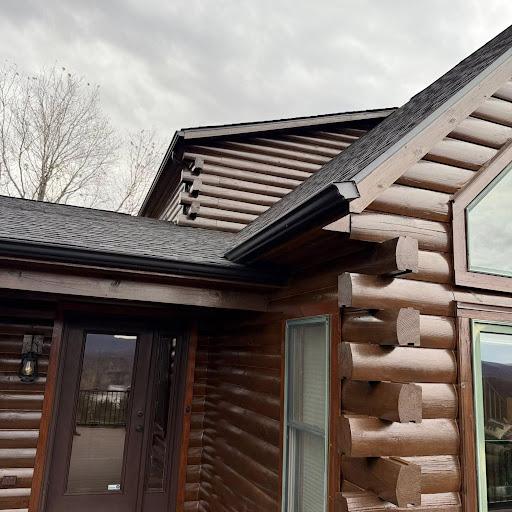
Owning a log home sounds simple when people talk about it online. Cozy winters. Rustic views. That cabin smell. But the reality hits different once the wood starts aging and cracks begin showing up where they shouldn’t. Log house restoration is not something most owners think about until the damage becomes obvious. And by then, honestly, the repairs usually cost more than expected. Wood moves. Moisture sneaks in. Sun beats everything down year after year. That’s just how it goes.
The good news is most structural problems in log homes can be fixed before they turn ugly. The trick is catching issues early and knowing what actually matters. Not every stain means rot. Not every crack means panic. A solid restoration plan keeps the house standing strong for decades, maybe longer if it’s cared for right. And yeah, maintenance matters more than fancy upgrades. Every single time.
Understanding What Damages a Log House
A lot of damage starts quietly. That’s the frustrating part. Rainwater gets trapped in corners. Gutters overflow. UV rays dry the surface out until the wood starts splitting deeper than normal. Insects show up after moisture does. Carpenter bees, termites, powderpost beetles. They all love neglected wood.
People sometimes assume logs are naturally indestructible because they’re thick. Truth is, untreated or poorly maintained logs break down faster than most expect. Especially around windows, lower wall sections, deck connections, and roof overhangs. Those areas take abuse constantly.
And here’s the thing nobody likes hearing. Cheap patch jobs almost always fail. Throwing filler into rotten wood without fixing moisture problems underneath? Waste of time. The same issue comes back. Usually worse.
Bold Signs Your Log Home Needs Restoration
Some warning signs are obvious. Others are sneaky. Soft wood is a major red flag. Push a screwdriver gently into suspect areas. If it sinks too easily, there’s decay happening below the surface. Long cracks, called checks, are normal to a point. But when they hold water or widen aggressively, they become a problem.
Faded stain is another big one. Once the protective coating breaks down, moisture gets direct access to the logs. Black discoloration around joints often means trapped water. Mold and mildew follow right behind it.
And let’s be real, if your logs smell damp inside the house even during dry weather, something’s off. Log homes should smell earthy, not wet and musty. There’s a difference.
The Restoration Process That Actually Works
A proper restoration starts with inspection. Every wall. Every corner. Roof lines too. Professionals usually test moisture levels before doing anything else because repairing wet logs doesn’t work long-term.
After inspection comes cleaning. That may involve pressure washing, media blasting, or chemical cleaners depending on how rough the surface looks. Old failing stain has to come off completely in damaged areas. Half-cleaned logs lead to uneven protection later.
Then repairs begin. Rotten wood sections sometimes get replaced entirely. Smaller damaged areas may be treated with epoxy systems if the surrounding wood is still solid. Caulking and chinking gaps comes next to seal air and water entry points.
Finally comes staining and sealing. This part matters more than people think. A good stain isn’t just cosmetic. It blocks UV damage and slows moisture penetration. Skip quality products here and the whole cycle repeats sooner.
Why Moisture Control Is Everything
Most log home problems come back to water. Seriously. Water is the real enemy, not age. A hundred-year-old log home can still be rock solid if moisture stays controlled.
Roof overhangs help a lot. Bigger overhangs mean less rain hitting wall surfaces directly. Proper drainage around the foundation matters too. If water pools near the base logs, deterioration speeds up fast.
Gutters should stay clean. Downspouts need extensions. Shrubs shouldn’t sit pressed against log walls trapping humidity all day. Sounds basic, but homeowners ignore these details constantly.
Ventilation inside matters too, especially in humid climates. Condensation buildup indoors can slowly affect logs from the interior side, and people rarely think about that until staining appears.
Choosing the Right Products for Protection
Not all stains and sealers are equal. Some peel after a couple seasons. Others soak properly into the wood and last much longer. Oil-based stains tend to penetrate deeper, though some water-based products perform well now too. Depends on the climate and wood condition.
The mistake many owners make is choosing products based only on color. Protection should come first. UV blockers, water repellency, breathability. Those things matter way more than finding the perfect shade of brown.
Caulking matters too. Flexible materials work best because logs naturally expand and contract throughout the seasons. Rigid fillers crack apart eventually. Nature always wins that fight.
And don’t ignore borate treatments. They help protect against insects and fungal growth before bigger problems develop. Preventive protection costs way less than structural repair later on.
How Often Should a Log Home Be Restored?
People always want an exact number here. But there isn’t one. Climate changes everything. A cabin buried in harsh winters and direct summer sun needs more attention than a shaded home in mild conditions.
Generally speaking, exterior stain may need refreshing every three to seven years. Sometimes sooner on sunny sides of the house. Full restoration projects obviously happen less often if maintenance stays consistent.
That’s really the whole game. Small upkeep beats major reconstruction every time. Walk around the home twice a year. Look closely. Touch the logs. Check for softness, fading, water streaks, insect holes. Those little inspections save huge money later.
Long-Term Care Makes the Difference
The owners who get the most life out of their homes usually stay consistent with log house maintenance instead of waiting for disaster. That’s the difference. They clean surfaces regularly. Reapply stain before total failure happens. Fix drainage issues fast instead of ignoring them for three rainy seasons.
Truth is, log homes demand attention. They’re not maintenance-free structures no matter what sales brochures claim. But they also reward good care better than almost any other type of house. A properly maintained log structure develops character over time instead of just falling apart.
And honestly, there’s something satisfying about preserving real wood instead of replacing synthetic materials every decade.
Conclusion
Restoring and protecting a log home is part craftsmanship, part prevention. You can’t ignore warning signs and expect the structure to stay healthy forever. Moisture, sunlight, insects, and neglect all chip away at wood slowly. Sometimes silently. But when restoration is handled correctly, a log house can outlast generations.
The short answer is this. Stay proactive. Fix small issues early. Use quality materials. Don’t cut corners on sealing or drainage. A strong log home isn’t built once and forgotten. It’s cared for over time, season after season. That’s what keeps the structure solid, beautiful, and standing long after newer homes start falling apart.
Κατηγορίες
Διαβάζω περισσότερα
The skincare industry is undergoing a technological revolution, with skincare devices playing a vital role in modern beauty and dermatology practices. These devices, ranging from advanced laser systems to portable at-home tools, are transforming how individuals treat and maintain their skin. With growing awareness about skin health and increasing demand for non-invasive procedures,...

"Skull Clamp Market Summary: According to the latest report published by Data Bridge Market Research, the Skull Clamp Market The global skull clamp market was valued at USD 180.88 million in 2024 and is expected to reach USD 329 billion by 2032. During the forecast period of 2025 to 2032 the market is likely to grow at a CAGR of 7.30% primarily driven by...

Bongdata – Hệ Thống Dữ Liệu Bóng Đá Trực Tuyến Toàn Diện Dành Cho Người Hâm Mộ Hiện Đại kèo nhà cái Bongdata là nền tảng dữ liệu bóng đá trực tuyến được thiết kế nhằm phục vụ nhu cầu theo dõi thể thao ngày càng lớn của người dùng trên toàn thế giới. Trong bối cảnh...

The US Search and Rescue (SAR) equipment market is driven by increasing demand for advanced emergency response capabilities across natural disasters, wilderness operations, and urban rescue missions. It includes equipment such as communication systems, thermal imaging devices, drones, GPS trackers, and medical rescue kits.Growth is supported by rising investments in public...
What Is Eggy Car? Eggy Car is a physics-based driving game that combines simple controls with surprisingly challenging gameplay. The concept is straightforward: drive a small car across endless hills while carrying a fragile egg on top of the vehicle. The challenge comes from keeping the egg balanced while navigating steep slopes, bumps, and sudden drops. Unlike traditional racing games that...