


Procurement Consulting Services in 2026: What Businesses Must Know Before Hiring
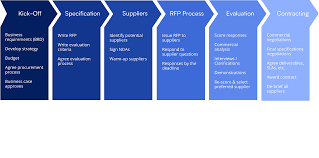
The Evolving Role of Procurement Consulting in 2026
In 2026, procurement has evolved from a transactional function into a strategic driver of business value. Organizations are increasingly relying on procurement consulting services to navigate complex global supply chains, rising cost pressures, and rapid technological change. These services help businesses move beyond basic purchasing toward data-driven decision-making, supplier innovation, and long-term value creation.
Modern procurement strategies emphasize total cost of ownership, supplier performance, and risk resilience rather than just price reduction. This shift reflects a broader transformation where procurement is now deeply aligned with organizational goals such as sustainability, agility, and competitive advantage.
What Procurement Consultants Actually Do
Procurement consultants bring specialized expertise, tools, and frameworks to improve sourcing and supplier management. Their role typically includes spend analysis, supplier evaluation, contract optimization, and process redesign.
A core component of their work is strategic sourcing, which involves analyzing spending patterns, assessing supplier markets, and building long-term supplier relationships. This approach enables businesses to optimize procurement decisions and align them with broader objectives.
Consultants also help organizations implement digital procurement technologies, improve compliance, and establish governance models that ensure consistent performance across categories and regions.
Key Benefits Businesses Should Expect
Engaging procurement consultants can deliver measurable outcomes when executed correctly. One of the most significant advantages is cost optimization, achieved through better negotiation, supplier consolidation, and total cost analysis.
Beyond cost savings, businesses benefit from improved supplier quality, reduced supply chain risks, and enhanced operational efficiency. Strategic sourcing practices also strengthen supplier relationships, enabling collaboration and innovation over time.
Another critical benefit is visibility. Consultants introduce data-driven insights that provide clarity into spending patterns, supplier performance, and market dynamics, allowing organizations to make more informed decisions.
Critical Factors to Evaluate Before Hiring
Before selecting a consulting partner, businesses must carefully assess their internal needs and expectations. Not all consulting engagements deliver equal value, and success depends on alignment between the consultant’s capabilities and the organization’s goals.
Experience in relevant industries and categories is essential. Procurement challenges vary significantly across sectors, and domain expertise ensures faster and more effective outcomes.
Equally important is the consultant’s approach to technology and analytics. In 2026, procurement is increasingly powered by digital tools, automation, and artificial intelligence. A consultant must be सक्षम in leveraging these capabilities to drive efficiency and insight.
Cultural fit and collaboration style should not be overlooked. Procurement transformation often requires cross-functional alignment, and consultants must work effectively with internal teams to implement change.
Common Pitfalls to Avoid
One common mistake is focusing solely on short-term cost reduction. While savings are important, an overemphasis on price can compromise supplier quality, resilience, and long-term value.
Another risk is lack of internal ownership. Consulting engagements that do not include knowledge transfer or capability building often fail to deliver sustained results.
Businesses should also avoid fragmented implementation. Without a clear roadmap and governance structure, even well-designed strategies can fail during execution.
The Future of Procurement Consulting
Looking ahead, procurement consulting will be increasingly shaped by digital transformation and sustainability priorities. Advanced analytics, AI-driven insights, and real-time supply chain visibility are becoming standard components of consulting engagements.
At the same time, environmental and social considerations are playing a larger role in supplier selection and procurement strategy. Consultants are expected to help organizations balance cost efficiency with ethical sourcing and regulatory compliance.
Ultimately, procurement consulting in 2026 is about enabling resilience, agility, and strategic growth. Businesses that approach these services with clear objectives and informed expectations will be better positioned to unlock long-term value and competitive advantage.
Categorias
Leia Mais
In modern industrial infrastructure, piping systems play a crucial role in transporting fluids safely and efficiently. Whether it is water, chemicals, or industrial liquids, the performance of a pipeline system depends heavily on the quality of its components. Among these components, UPVC pipe fittings are essential for ensuring strong, reliable, and leak-free connections. Industries across the...

Corteiz has become one of the most talked-about streetwear brands in recent years. Known for bold designs, exclusivity, and limited releases, the brand has captured global attention quickly. Its collaboration with Nike brought together sportswear innovation and unique streetwear creativity in an exciting way. This partnership has created sneakers and apparel that are loved by fans across many...

Rice Milk Market Summary “The global Rice Milk Market is expected to reach to USD 3.2 billion by 2032, growing at a CAGR of 9.4% during 2025 to 2032” The TrendBridge Insights Research report, “Global Rice Milk Market Report 2025 – Future Opportunities, Latest Trends, In-depth Analysis, and Forecast To 2032”, delivers strategic insights into the global Rice...

School Network Bypass Strategies Bypassing School Computer Game Restrictions: A Comprehensive Guide School networks typically implement strict access controls to prevent students from playing games during educational hours. However, for those seeking entertainment during breaks or after school, there are legitimate methods to access gaming content on school devices. Using Virtual Private...
"Latest Insights on Executive Summary Europe Unmanned Surface Vehicle (USV) Market Share and Size Data Bridge Market Research analyses that Europe unmanned surface vehicle (USV) market is expected to reach the value of USD 779.09 Million by 2030, at a CAGR of 13.2% during the forecast period. This Europe Unmanned Surface Vehicle (USV) Market research report is an absolute...