How Personalized Medical Weight Loss Online Programs Support Better Health

Let’s be real, weight loss has become one of those topics everyone has an opinion on. But most of it doesn’t stick. That’s where medical weight loss online programs are changing the game a bit. Not in a flashy way, more in a practical, doctor-guided, “this actually fits real life” kind of way. People are tired of guessing. Tired of diets that crash after two weeks. And honestly, tired of feeling like their body is working against them.
The idea here isn’t just to drop weight fast. It’s to build something sustainable, with medical input, but without always sitting in waiting rooms or juggling clinic visits. That shift alone makes a big difference for a lot of people.
What personalized medical weight loss online really means
So what are we even talking about here? Personalized programs aren’t just generic meal plans slapped on a website. They usually start with a health assessment, sometimes blood work, lifestyle questions, and actual medical review. Then a clinician builds a plan around that.
It can include nutrition guidance, prescription support where needed, and ongoing monitoring. The “online” part just means everything happens through apps or telehealth platforms. Messages, video calls, progress tracking… all that.
It sounds simple, but it’s actually a big shift from old-school weight loss clinics.
Why personalization changes outcomes
Truth is, no two bodies respond the same way to diet or exercise. One person might struggle with insulin resistance, another with stress eating, another with hormone imbalance. Generic plans don’t care about that. Personalized ones do.
When programs are adjusted based on your actual health data, things start to click better. Energy improves. Cravings reduce. Progress feels less like punishment and more like direction.
And yeah, it’s not magic. But it’s closer to reality than “just eat clean and move more,” which honestly doesn’t help most people.
The role of medical supervision in online programs
Having medical oversight changes the tone completely. You’re not just following advice from an influencer or random blog. There’s accountability built in.
Doctors or licensed professionals track progress, adjust medications if needed, and flag issues early. That matters, especially for people dealing with obesity-related conditions like high blood pressure or prediabetes.
And let’s not ignore it, some people just feel safer knowing a professional is actually watching their progress. That psychological part is underrated.
Daily life becomes easier, not stricter
One thing people expect is strict rules. But good programs don’t usually work like that. They adapt to your routine instead of forcing a new identity on you.
You might still eat your normal foods, just in adjusted portions or timing. You might get small behavioral tweaks instead of a total lifestyle overhaul. It feels less overwhelming.
And that’s important because most diets fail when life gets busy. Kids, work, stress… it all piles up. If a program can’t survive that, it’s useless.
Technology keeps everything connected
Apps play a big role here. You log meals, track weight, message your provider, sometimes even sync wearable devices. It sounds a bit tech-heavy, but most people get used to it quickly.
The benefit is consistency. Instead of waiting weeks for a check-up, feedback is ongoing. Small corrections happen early before things drift too far off track.
It’s not perfect though. Some people still prefer face-to-face interaction. But hybrid models are becoming more common.
Mental health and behavior patterns matter too
Weight loss isn’t just physical. That’s obvious, but still gets ignored in a lot of traditional programs. Emotional eating, stress cycles, sleep issues… they all play a role.
Many online medical programs now include behavioral coaching or even therapy support. It’s not just “here’s your diet,” it’s “why do you eat like this when you’re stressed?”
And honestly, that part can be uncomfortable. But it’s where long-term change actually happens.
Real-world flexibility and documentation needs
Here’s something people don’t always talk about. Health journeys sometimes overlap with work and life admin stuff. In certain cases, documentation is needed for rest or medical leave, and that’s where things like certified sick leave ireland come into discussion in broader healthcare systems and HR contexts.
Not every weight loss program deals with that directly, but when medical conditions are involved, having proper certification or documentation from licensed professionals can help people manage both recovery and work responsibilities without unnecessary stress.
Challenges people still face with online programs
It’s not all smooth though. Some people struggle with consistency when everything is remote. No physical appointments means no pressure to show up.
Also, internet-based care depends heavily on self-discipline. If someone ignores check-ins or stops logging progress, the system can’t really help them much.
And pricing can vary a lot. Some programs are affordable, others feel like premium services. So accessibility is still a mixed bag.
Conclusion: where this is all heading
At the end of the day, personalized medical weight loss online programs are just a more realistic version of healthcare meeting modern life. They don’t replace effort, they don’t promise shortcuts, but they do remove a lot of guesswork.
The short answer is this: when medical support, personalization, and digital access come together, people tend to stay consistent longer. And consistency is really the whole game.
It’s not perfect. Nothing is. But it’s a step toward weight management that actually respects how messy real life is, and that alone makes it worth paying attention to.
Categorie
Leggi tutto
Transporting a car from one city to another requires careful planning, proper handling, and professional logistics. In a busy city like Pune, hiring trusted car carrier services ensures that your vehicle reaches its destination safely, efficiently, and without any damage. Whether you are relocating for work, purchasing a vehicle from another city, or moving permanently, professional car carrier...

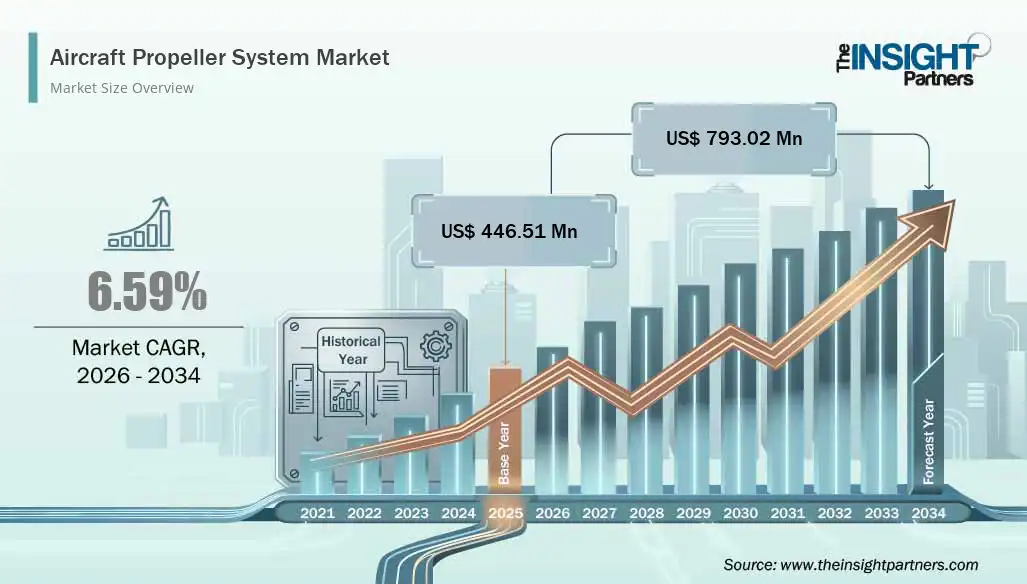
The global Aircraft Propeller System Market is experiencing steady growth due to the increasing demand for fuel efficient aircraft, rising regional air connectivity, and expanding defense aviation activities worldwide. Aircraft propeller systems are critical components used in turboprop and piston engine aircraft to generate thrust and improve flight efficiency. These systems are widely...
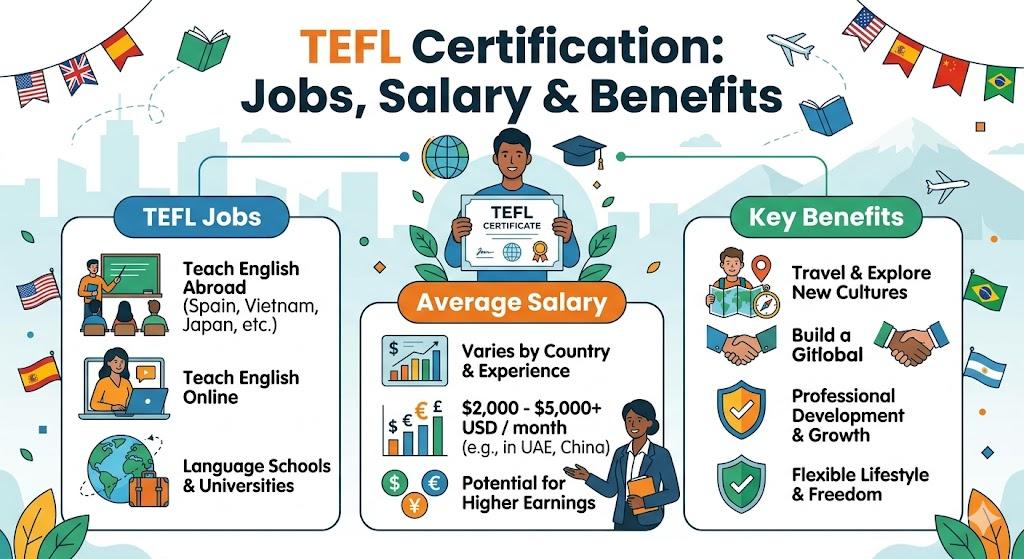
For all you lovely globally inspired folks, if you have any inkling of wanting to travel the world while actually gaining real life career experience, allow us to formally introduce you to TEFL Certification (Teaching English as a Foreign Language). Since English is the universal language of business, education and communication throughout the world, its need for qualified teachers keeps...
The North America spinal cord stimulation devices market continues to play a significant role in the global healthcare landscape, supported by advanced healthcare infrastructure, growing awareness of chronic pain management solutions, and increasing adoption of innovative neuromodulation technologies. The region remains a key contributor to market expansion due to strong investments in medical...

Building a home is one of the most important investments in a person’s life. A house is not just a structure made of bricks and cement; it is a place where families create memories, experience comfort, and build their future. This is why choosing the right company for residential construction services becomes extremely important. A professional construction company helps transform ideas...