Rice Bran Oil Price Chart Analysis with Quarterly Trend and Forecast Prices
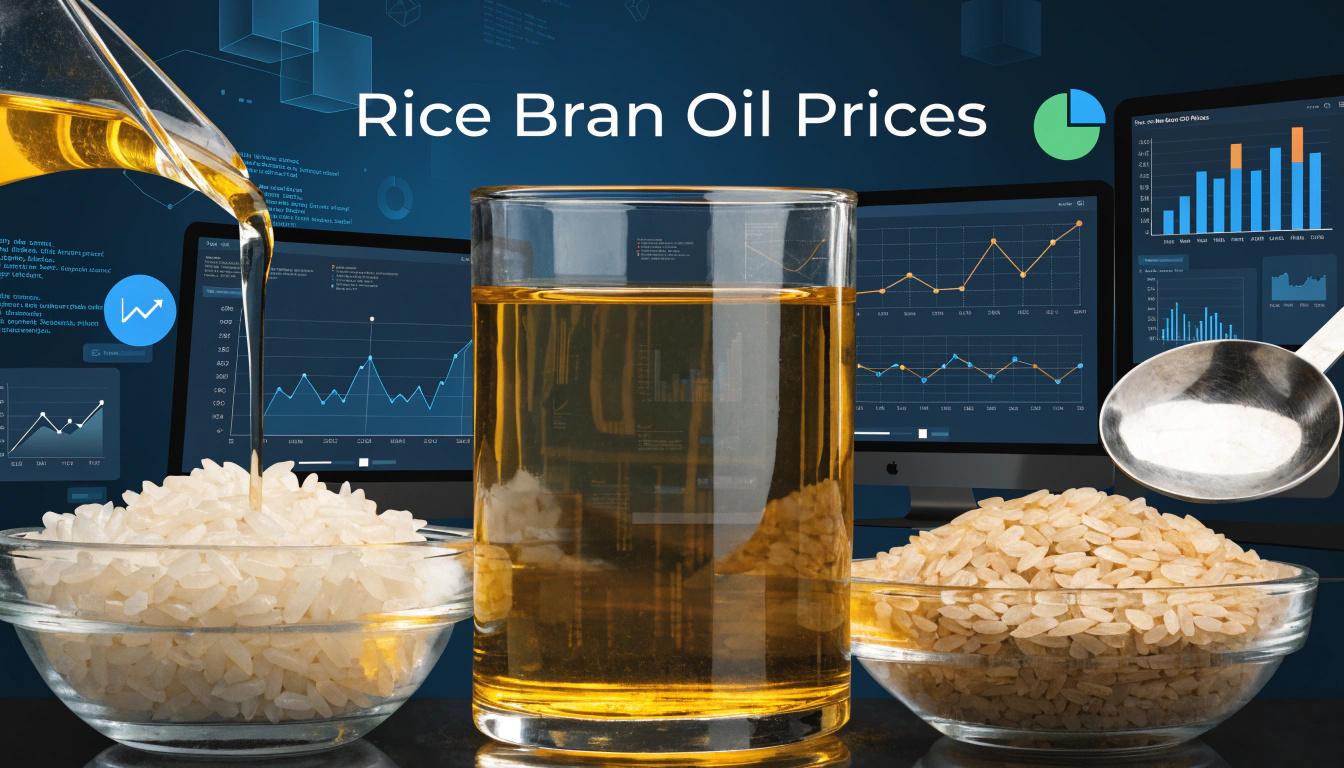
Global Overview of Rice Bran Oil Price Trends
Global rice bran oil price chart during the first quarter of 2026 maintained a firm and highly active trajectory, backed by tight raw material availability and accelerating industrial consumption across primary global markets. The global supply-demand conditions were heavily influenced by variable paddy milling rates in major Asian agrarian hubs, which directly limited the volume of fresh, high-quality bran available for solvent extraction plant networks. On the demand side, premium food processing sectors, cosmetic formulation industries, and high-smoke-point culinary commercial applications sustained continuous B2B procurement activity. While international shipping freight variations, milling processing energy overheads, and domestic blending policies drove regional differences, the broader global price trend reflected steady commercial support and minimal asset downside.
United States: Severe Import Dependencies Driving Significant Pricing Premiums
In the United States, spot prices peaked significantly at USD 5945/MT during the first quarter of 2026, representing the highest cost profile across international trading zones. The domestic price trend remains highly vulnerable to long-distance transpacific maritime shipping corridors, as North American food processors depend heavily on refined bulk imports from major Asian milling countries. Procurement trends within the domestic natural cosmetics and premium snack manufacturing lines remained intense, requiring consistent volumes despite elevated price levels. Furthermore, steep container freight premiums and inland distribution logistics bottlenecks supported elevated pricing, causing the local price index to maintain a substantial premium over domestic seed oils.
India: Massive Domestic Crushing Strengths Safeguarding Low Sourcing Baselines
India recorded a highly competitive price baseline of USD 2022/MT in the first quarter of 2026, anchoring the lowest tier within the global price index structure. As the largest world producer, the domestic price chart was heavily supported by high volume seasonal paddy harvesting cycles, ensuring continuous raw bran supply into major crushing facilities across rural industrial corridors. Procurement managers within the regional FMCG and consumer packaged oil sectors maintained highly regular purchasing cadences, taking advantage of local availability. This strong domestic processing landscape insulated the subcontinent from massive international spot market spikes, keeping the local price today highly stabilized.
Germany: Specialty Health Food Demands Amplifying Import Acquisition Costs
Germany observed prices reaching USD 2660/MT during the first quarter of 2026, driven by high manufacturing requirements and strict European quality standards. The regional industry analysis indicates an expanding consumer shift toward alternative, non-GMO vegetable lipids within the European plant-based food manufacturing and commercial baking sectors. Because Western Europe has no local paddy processing base, local distributors rely entirely on refined import channels, leaving them exposed to changing ocean freight rates and strict import regulations. This high dependency increased raw material replacement costs, pushing regional pricing upward and keeping the Western European prices outlook elevated.
Japan: Integrated Extraction Technology Optimizing Regional Supply Balancing
Japan witnessed prices tracking tightly at USD 2229/MT during the first quarter of 2026, exhibiting an organized and technologically mature commercial infrastructure. The local price chart reflects advanced domestic extraction methodologies capable of processing fresh rice milling residues with minimal rancidity losses. Despite reliable domestic processing networks, high industrial usage across premium specialty restaurants and premium industrial food formulation lines outpaced local crushing output, requiring consistent import blending volumes from neighboring Asian agrarian nations. This balanced supply-demand dynamic limited extreme spot market volatility, allowing long-term future price projections to follow predictable seasonal arcs.
United Kingdom: Advanced Retail Packing Pipelines Maintaining High Overhead Trends
The United Kingdom recorded prices at USD 2397/MT during the first quarter of 2026, reflecting the country's reliance on specialized international supply lines post-Brexit. Local procurement trends are highly driven by major supermarket private-label packing pipelines and culinary food manufacturing groups looking for alternative high-stability frying mediums. Since local suppliers operate without immediate trade integration into standard European distribution depots, specialized import logistics overheads and maritime shipping expenses added visible premiums to bulk landed values. The domestic price history shows consistent upward pressure, kept in check only by changing retail demand for premium vegetable lipids.
Access Real-Time Rice Bran Oil Price Insights
Get the Real-Time Prices Analysis:
https://www.imarcgroup.com/rice-bran-oil-pricing-report/requestsample
Note: The analysis can be customized according to specific business and procurement requirements.
Rice Bran Oil News and Historical Data Coverage
• Historical pricing insights and long-term movement analysis
• Quarterly and yearly regional price assessments
• Global and regional benchmark price comparisons
• Forecast models with future pricing projections
• Customized reporting solutions based on business requirements
What is Rice Bran Oil?
Rice bran oil is a highly stable vegetable lipid extracted from the hard outer brown layer of rice grains, commonly known as the chaff or bran, which is generated as a primary by-product during the conventional paddy milling process. Because the raw bran contains active lipolytic enzymes that trigger rapid FFA degradation, the material must undergo immediate stabilization heat treatment prior to entering chemical or physical solvent extraction plants.
The primary industrial applications of this high-performance oil are driven by its high smoke point and rich concentration of natural antioxidants, specifically gamma-oryzanol, tocopherols, and tocotrienols. In the global commercial food sector, it is highly favored for high-temperature frying, baking, and gourmet salad dressings. Beyond nutrition, its specialized emollient qualities make it an important base ingredient in premium cosmetic manufacturing, dermatological creams, personal care formulations, and specialized animal feed manufacturing sectors worldwide.
Key Factors Affecting Rice Bran Oil Prices
• Paddy cultivation volumes and seasonal rice milling operating rates
• Industrial demand from premium food, cosmetic, and pharmaceutical sectors
• Energy costs and processing overheads in solvent extraction refineries
• Logistics expenses, bulk chemical tanker availability, and ocean freight rates
• Regulations, import tariffs, and national vegetable oil blending mandates
• Raw material availability and prompt stabilization of fresh bran stocks
Supply and Pricing Overview – Q1 2026
The global supply architecture for refined rice bran oil experienced notable tightening during the first quarter of 2026, primarily due to variable seasonal paddy processing outputs across principal Asian agricultural belts. Major extraction facilities faced sporadic challenges securing high-quality, low-FFA raw bran due to localized changes in rice milling schedules. Concurrently, international procurement across consumer goods and wellness product lines remained consistently robust. This solid demand profile, clashing with occasional raw material collection delays, restricted surplus inventory growth and drove global price trend parameters upward.
Rice Bran Oil Price Index Overview
The global price index during the first quarter of 2026 highlighted extreme geographic polarization based on proximity to primary agricultural processing centers. Sourcing networks located across North America and Northern Europe carried heavy price premiums due to their total dependence on extended maritime trade lanes and strict quality certification standards. Conversely, domestic clearing prices within producing nations remained highly competitive. Long-term price history proves that while regional freight rates generate short-term trading differences, the overall global price chart continues to be governed by seasonal Asian crushing volumes.
Recent Industry News – Q1 2026
The commercial expansion of decentralized bran stabilization units across rural crushing hubs has emerged as a major development in optimizing raw material utilization rates. By arresting immediate enzymatic breakdown at the milling site, extractors have successfully maximized high-purity oil yields, preventing total crop waste. Meanwhile, several international consumer wellness brands announced major shifts toward rice lipids as a clean-label substitute for palm fractions, intensifying raw material competition. This shift has altered traditional B2B procurement patterns, adding long-term transactional value to the refined spot market.
Rice Bran Oil Price Trend Analysis – Q1 2026
A detailed price analysis for the opening quarter of 2026 confirms that a robust structural demand floor is insulating the commodity from broader macroeconomic headwinds. Wholesale spot prices for premium refined grades faced steady upward movement as global packaging corporations stepped up procurement to cover seasonal shortfalls in alternative seed oils. Higher industrial refining fuel overheads and elevated packaging transport costs increased the global production cost trend across all reporting regions. Consequently, the spot price today remains firmly supported, demonstrating strong resistance to short-term downward adjustments.
Future Outlook for Rice Bran Oil
The global price forecast through the coming quarters remains highly constructive, backed by expanding consumer preference for high-oryzanol nutritional profiles and healthy cooking mediums. Global industrial demand across advanced cosmetic synthesis and high-performance food manufacturing lines is projected to maintain an upward trajectory. While improvements in extraction efficiency may expand total volume availability, high shipping overheads and limited paddy production expansion will likely preserve tight supply expectations, supporting long-term pricing stability at an elevated baseline.
Current Demand for Rice Bran Oil
Current commercial demand is characterized by high structural consistency, anchored by non-discretionary blending requirements in mainstream consumer cooking oils and specialized personal care formulations. The ongoing growth of premium clean-label natural cosmetics across major Western metropolitan areas continues to drive steady spot procurement of high-purity refined grades. This firm commercial foundation ensures that despite shifting supply chain variables, the asset continues to experience exceptional demand velocity across all major industrial procurement channels.
Major Uses of Rice Bran Oil
• Premium high-smoke-point deep frying and industrial food processing
• Formulation of natural cosmetics, moisturizers, and hair care products
• Nutritional health supplements and gamma-oryzanol extraction feedstocks
• Specialized high-end animal feed formulations and horse nutrition oils
• Manufacture of premium artisanal soaps and industrial emollients
• Protective food-grade coatings and blending bases for premium oils
Key Coverage in Pricing Reports
• Regional Analysis
• Demand-Supply Analysis
• Price Trends
• Competitive Landscape
• Recent Developments
• Forecast Analysis
How IMARC Pricing Intelligence Supports Businesses
The latest IMARC Group report, “Rice Bran Oil Prices, Trend, Chart, Demand, Market Analysis, News, Historical and Forecast Data 2026 Edition,” delivers extensive insights into Rice bran oil price movements and global industry conditions. The study examines historical pricing trends, supply-demand relationships, raw material fluctuations, and geopolitical influences affecting procurement decisions. Comprehensive Rice bran oil price charts and future forecasts help businesses evaluate regional opportunities, manage procurement strategies, and understand evolving industrial demand patterns worldwide.
AI Overview: Factors Affecting Rice Bran Oil Prices
High Demand: Emerging consumer preferences for high-oryzanol vegetable lipids and premium cosmetic bases support steady global pricing dynamics.
Supply Constraints: The short shelf-life of unstabilized fresh bran limits immediate extraction volumes, directly influencing the regional price trend.
Logistics Costs: Escalating bulk chemical tanker freight rates and long-distance ocean shipping routes heavily impact the imported price index.
Supply Chain Concerns: Changing domestic agricultural harvesting patterns and shifting international import tariffs alter global price forecast expectations.
Key Price Drivers and Forecast Trends
Production Activity: Seasonal paddy harvesting schedules and the operational efficiency of local solvent extraction plants govern global output.
Industrial Demand: Continuous product additions across consumer FMCG goods and premium cosmetics are strengthening the future price outlook.
Spot Prices: The spot price today reflects immediate regional availability, creating wide cost disparities between importing and exporting hubs.
Long-Term Projections: Future pricing models are expected to remain firm due to structural constraints on increasing global paddy acreage.
Regional Comparison Summary
The first quarter of 2026 exposed severe regional pricing fragmentation, with the United States carrying an extreme cost premium due to total import dependence and high ocean freight bills. European economies like Germany and the United Kingdom faced elevated pricing driven by strict quality compliance checks and extended shipping maneuvers. In contrast, producing powerhouses like India and technologically integrated markets like Japan achieved optimized cost structures, proving that local crushing access remains the definitive driver of regional price index divergence.
Future Trend and Long-Term Outlook
The long-term future price outlook for this specialty vegetable lipid remains structurally positive, driven by persistent supply constraints and expanding high-value end-use applications. Sustained public focus on nutritional wellness, combined with corporate commitments toward palm oil alternatives, will ensure a positive demand trajectory. The overarching price trend is anticipated to remain steady in upcoming quarters, with minimal downside risks as high logistics overheads, localized crushing limitations, and seasonal harvesting variables continue to restrict surplus supply expansion.
Frequently Asked Questions (FAQs)
What is the Rice Bran Oil Price Forecast For 2026?
The price forecast for 2026 indicates a highly firm and supportive pricing environment globally, driven by tight raw material collection windows and expanding demand across premium consumer goods sectors.
Why are Rice bran oil prices maintaining wide regional differences?
Prices show wide variance because importing nations face severe ocean freight fees and container premiums, while major producing countries benefit from direct access to immediate seasonal paddy crushing assets.
Which factors impact Rice bran oil pricing trends most significantly?
Seasonal rice harvest outputs, prompt operational stabilization of fresh bran, global logistics overheads, and changing consumer demand for high-antioxidant premium cooking oils serve as primary factors.
How do logistics costs influence Rice bran oil prices?
Long-distance maritime transit and specialized bulk liquid transport requirements add major cost premiums, directly inflating import price index parameters in non-producing regions.
Will Rice bran oil prices remain stable in the coming quarters?
Prices are expected to maintain an elevated and stable trajectory, as solid corporate procurement contracts and limited global inventory expansions continue to insulate the market from sharp downward trends.
Categorie
Leggi tutto
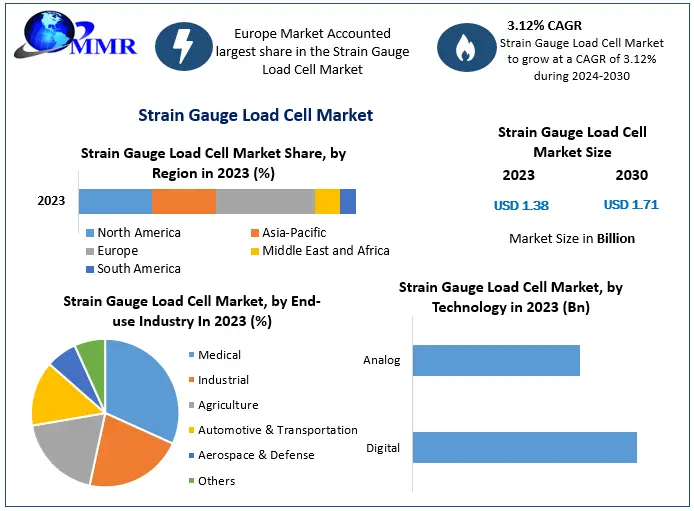
Global Strain Gauge Load Cell Market Expected to Reach Significant Growth by 2032 The global Strain Gauge Load Cell Market is experiencing steady growth due to increasing industrial automation, rising demand for precision measurement systems, and rapid adoption of smart manufacturing technologies across multiple industries. The market is witnessing strong demand from sectors...
Crystal Palace now face a serious test on the road to the Conference League Final 2026. Their opponent has won again, and that matters because form can change the mood before kickoff. A fresh win gives belief, rhythm, and a stronger voice in the dressing room. Palace, though, can still use the situation well. Many football fans are getting ready to watch the Conference League Final. People...

The latest business intelligence report released by Polaris Market Research on Oncology Based Molecular Diagnostics Market Size, Share, Trends, Industry Analysis Report By Product (Instruments, Reagents, Others), By Type, By Technology, By Region – Market Forecast, 2025–2034. It covers the in-depth knowledge of the Oncology Based Molecular Diagnostics Market Share that includes...

Polaris Market Research has introduced the latest market research report titled Truck Scale Market Size, Share, Trends, Industry Analysis Report By Technology (Analog Truck Scales and Digital Truck Scales), By Type, By Application, and By Region – Market Forecast, 2025–2034 that highlights the major revenue stream for the forecast period. The report contains clear,...
A clean yard isn’t just about appearance—it’s about health, comfort, and peace of mind. If you’re tired of stepping around pet waste or spending your weekends cleaning up after your dog, it’s time to consider a professional pooper scooper solution. Scoop Duke proudly offers reliable and affordable dog poop scooper service in Prosper and surrounding areas, helping...