


Hybrid Chocolate Tempering Methods: Combining Techniques for Better Efficiency
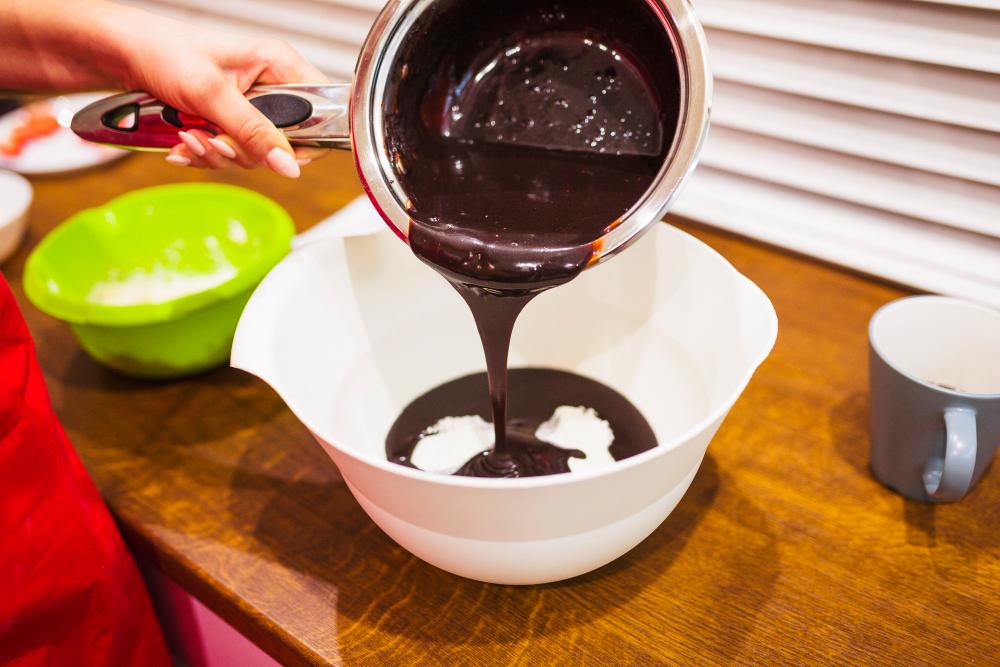
Chocolate tempering is both an art and a science. For professional chocolatiers and serious enthusiasts, achieving the perfect shine, snap, and stability in chocolate is non-negotiable. Traditional approaches have long relied on single processes like tabling, seeding, or using machines. However, as production demands grow and precision becomes more critical, hybrid tempering techniques are gaining attention. By combining different tempering chocolate methods, chocolatiers can improve efficiency, consistency, and control.
Understanding the Basics of Tempering
Tempering is the process of controlling the crystallization of cocoa butter in chocolate. Proper tempering ensures that stable beta crystals form, giving chocolate its glossy appearance and firm texture. Without tempering, chocolate may appear dull, develop fat bloom, or have a soft, crumbly structure.
There are several methods of tempering chocolate, including tabling (cooling chocolate on a marble surface), seeding (adding pre-tempered chocolate to melted chocolate), and machine tempering. Each method has its strengths and limitations, often depending on the scale of production and the chocolatier’s skill level.
Why Hybrid Methods Are Gaining Popularity
Relying on a single technique can sometimes lead to inefficiencies. For instance, tabling requires skill and physical effort, while seeding may take longer to stabilize if not executed properly. Hybrid methods combine the strengths of multiple approaches to overcome these challenges.
By blending techniques, chocolatiers can:
-
Reduce tempering time
-
Improve crystal stability
-
Minimize errors
-
Adapt to different working environments
This approach is especially useful in commercial kitchens and training environments where both speed and accuracy are essential.
Common Hybrid Tempering Approaches
1. Seeding + Microwave Melting
One of the simplest hybrid techniques involves melting chocolate in a microwave and then adding seed chocolate to initiate crystallization. The microwave allows quick and controlled melting, while the seeding process ensures proper crystal formation.
This method is ideal for small batches and beginners transitioning into more advanced practices. It reduces the need for extensive manual handling while still producing reliable results.
2. Tabling + Seeding
In this approach, a portion of melted chocolate is cooled on a marble slab (tabling), then reintroduced into the remaining warm chocolate. To further stabilize the mixture, seed chocolate is added.
This hybrid method combines the rapid cooling of tabling with the precision of seeding. It is particularly effective when working with larger batches, as it accelerates the tempering process without compromising quality.
3. Machine Tempering + Manual Adjustment
Modern tempering machines are highly efficient, but they may still require fine-tuning. Chocolatiers often use machines to establish the initial temper, then manually adjust the chocolate by adding small amounts of seed chocolate or gently cooling it.
This hybrid approach ensures consistency while allowing flexibility. It is widely used in professional settings where maintaining uniformity across batches is crucial.
4. Silk Method + Seeding
The silk method involves using cocoa butter for tempering chocolate in its stable crystalline form (often referred to as cocoa butter silk). When combined with seeding, this method enhances crystal formation and reduces tempering time significantly.
By introducing cocoa butter silk into melted chocolate and reinforcing it with seed chocolate, chocolatiers achieve a highly stable temper with minimal effort. This technique is becoming increasingly popular due to its precision and ease of use.
Benefits of Hybrid Tempering
Hybrid tempering methods offer several advantages over traditional single techniques:
1. Increased Efficiency
Combining methods speeds up the tempering process, allowing chocolatiers to handle more production in less time.
2. Greater Consistency
Hybrid techniques reduce the risk of human error, especially when balancing temperature and crystal formation.
3. Flexibility
Different chocolates (dark, milk, white) behave differently. Hybrid methods allow adjustments based on the type of chocolate and environmental conditions.
4. Reduced Waste
Failed tempering can lead to wasted chocolate. By improving accuracy, hybrid methods minimize such losses.
When to Use Hybrid Methods
Hybrid tempering is particularly useful in the following scenarios:
-
High-volume production environments
-
Training and educational settings
-
Small businesses scaling up operations
-
Situations requiring quick turnaround times
However, it’s important to understand the fundamentals before experimenting with combinations. Without a clear understanding of temperature curves and crystal behavior, even hybrid methods can fail.
Practical Tips for Success
To get the most out of hybrid tempering techniques:
-
Always monitor temperature closely using a reliable thermometer
-
Work in a controlled environment (ideally 18–22°C)
-
Use high-quality chocolate with a good cocoa butter content
-
Avoid introducing moisture, as it can ruin the temper
-
Practice consistency in your chosen method combination
The Future of Chocolate Tempering
As the chocolate industry evolves, efficiency and precision are becoming more important than ever. Hybrid tempering methods represent a shift toward smarter, more adaptable techniques that cater to both artisans and professionals.
Rather than replacing traditional methods, hybrid approaches build on them—offering a more refined and practical way to achieve perfect tempering. For anyone serious about chocolate making, mastering these combinations can significantly elevate both quality and productivity.
In the end, the goal remains the same: beautifully tempered chocolate with a flawless finish. Hybrid methods simply provide a more efficient path to get there.
Категории
Больше
Specialty catheters are advanced medical devices designed for specific diagnostic and therapeutic procedures, offering enhanced precision, flexibility, and performance in cardiovascular, urological, neurovascular, and other minimally invasive treatments. The GCC Specialty Catheters Market share is expected to reach US$ 153.7 million by 2033 from US$ 75.2 million in 2024. The...

Introduction to Restaurant Digital Signage Digital signage for restaurants has gone beyond being a mere replacement of a menu board into a full-fledged communication platform that serves the customer better and the restaurant more effectively. Restaurants of any size, whether they are fast-food chains or fine dining, are transitioning towards digital displays as an alternative to the usual...

Separating valuable minerals from ore is one of mining's most chemically intensive operations, and the reagents that make it possible are in growing demand. The Flotation Reagents Market is expected to reach US$ 6.94 Billion by 2034 from US$ 3.67 Billion in 2025, registering a CAGR of 7.34% from 2026 to 2034. Rising global mineral extraction activity, expanding water treatment infrastructure,...

Benefits of Using Certification Exam Preparation Material Certification exams help people grow in their careers. They help you get better jobs. They also help you earn more money. Many students want to pass the E20-065 exam on the first attempt. This exam is offered by Dell EMC. However, exam preparation can feel difficult. There are many books to read and many topics to cover. This is why...

In current years, plug-in automotive gadgets have won popularity as quick and less expensive solutions. One such product is the SynGas OBD Fuel Saver, which claims to decorate fuel economy and optimize engine performance. Its easy set up and ambitious promises have attracted huge attention, but many drivers nonetheless marvel how it honestly works and whether or not it gives you actual...