What Lab Managers Track Using Aidite Dental Materials
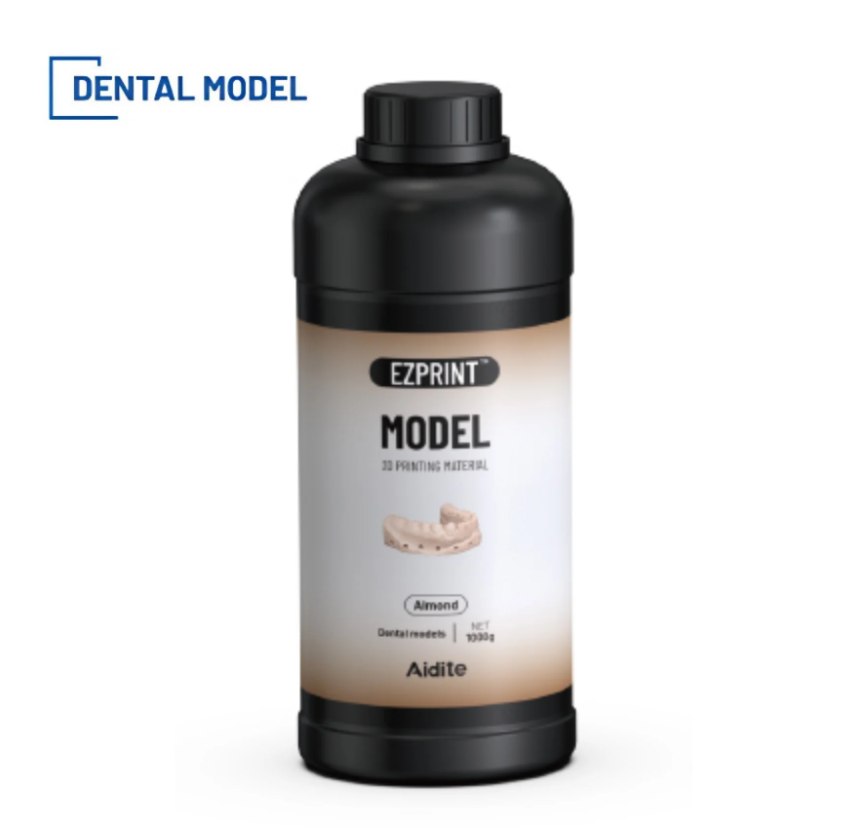
What Do Lab Managers Track When Using Aidite Dental Materials
Production delays in dental labs rarely stem from a single major failure. They build quietly through small gaps in material handling, inconsistent outputs, and unclear tracking practices. Lab managers often find themselves reacting to issues instead of identifying patterns early. When material performance varies or case timelines stretch without a clear cause, decision-making becomes guesswork rather than analysis.
This creates pressure across the entire workflow. Technicians adjust on the fly, procurement teams reorder without full data, and managers struggle to maintain predictable output. Over time, these inefficiencies compound and begin to affect both costs and case delivery timelines.
The shift happens when tracking moves from basic observation to structured monitoring. With a focused approach, lab managers begin to see where delays originate and how material behavior influences outcomes. This is where consistent evaluation of Aidite dental materials becomes critical, forming the backbone of data-driven lab operations.
Material Behavior Across Production Cycles
In high-output environments, tracking material behavior is not optional but operationally necessary. Lab managers working with Aidite dental materials focus on how these materials respond across milling, sintering, and finishing stages. Variations in shrinkage rates, density after firing, and surface response during finishing directly affect case accuracy. Rather than relying on assumptions, experienced managers document batch-level performance and correlate it with machine parameters and technician handling. This allows them to identify patterns such as recurring adjustments during milling or increased rework after sintering. Over time, these insights reduce dependency on reactive fixes and support more stable workflows.
Output Consistency and Case Accuracy Trends
Case Acceptance and Remake Patterns
One of the first indicators lab managers monitor is the case acceptance rate. When working with Aidite dental materials, they track how often restorations meet clinical expectations without requiring adjustments. A rise in remakes often signals issues tied to material handling or parameter settings rather than technician error.
Dimensional Stability After Processing
Dimensional changes during sintering are closely reviewed. Lab managers record how Aidite dental materials behave across different furnace cycles, ensuring that shrinkage remains within expected limits. Even minor deviations can impact fit, especially in multi-unit restorations.
Surface Response During Finishing
Finishing stages reveal how materials respond to tools and abrasives. Lab managers observe whether Aidite dental materials produce consistent surface outcomes or require additional correction steps. This directly affects turnaround time and technician workload.
By combining these observations, managers gain a clearer view of where adjustments are needed, reducing variability across cases.
Tool Wear and Equipment Interaction Data
Material performance is closely tied to tool lifespan and machine interaction. Lab managers working with Aidite dental materials track how tools behave over repeated cycles, particularly in milling units. Excessive tool wear often signals mismatched parameters or material density variations. For instance, the use of a torx screwdriver during maintenance checks allows technicians to ensure proper tool fastening, which directly affects milling stability.
Key tracking points include
-
Frequency of tool replacement after working with Aidite dental materials
-
Changes in cutting efficiency across production batches
-
Impact of tool wear on edge definition and margin clarity
-
Maintenance intervals involving Torx screwdriver adjustments
These data points help managers align maintenance schedules with actual usage rather than fixed timelines.
After reviewing these factors, lab managers can adjust machine settings and maintenance routines to reduce downtime and maintain consistent output.
Inventory Flow and Material Consumption Patterns
Inventory tracking extends beyond counting units on shelves. Lab managers working with Aidite dental materials analyze consumption rates in relation to case types and production volume. This allows them to predict demand more accurately and avoid both shortages and excess stock.
Batch Level Consumption Analysis
Managers track how quickly specific batches of Aidite dental materials are used across different case categories. High consumption in certain workflows may indicate material preference or efficiency gains.
Storage Conditions and Shelf Life Impact
Environmental factors such as humidity and temperature are monitored to ensure that Aidite dental materials maintain expected properties. Deviations can lead to inconsistent outcomes during processing.
Procurement Timing and Supply Alignment
Procurement decisions are aligned with production forecasts. By analyzing past usage of Aidite dental materials, managers schedule orders to match the upcoming workload, reducing delays caused by material unavailability.
This structured approach to inventory ensures that materials are available when needed without tying up unnecessary capital.
Maintenance Tracking and Tool Calibration Logs
Equipment performance plays a central role in material outcomes. Lab managers track maintenance activities alongside material usage to identify correlations between machine condition and case quality. When working with Aidite dental materials, even small calibration shifts can influence results.
Tracking includes
-
Regular calibration checks for milling units handling Aidite dental materials
-
Maintenance logs documenting adjustments made using Torx screwdriver tools
-
Correlation between maintenance frequency and case rejection rates
-
Monitoring vibration levels and their effect on material processing
Consistent documentation allows managers to identify whether issues stem from equipment or material variables.
By maintaining detailed logs, labs can reduce unexpected downtime and maintain a steady production flow.
Data Integration Across Lab Workflows
Modern labs operate across multiple systems, from design software to production tracking tools. Lab managers integrate data related to Aidite dental materials into these systems to gain a unified view of operations. This includes linking material batches with case files, tracking technician inputs, and correlating outcomes with machine settings.
The inclusion of maintenance data, such as adjustments made using a torx screwdriver, adds another layer of insight. When combined with production metrics, this information helps managers identify patterns that would otherwise remain hidden. For example, a spike in tool adjustments may align with increased material waste, indicating a deeper issue in machine calibration.
Over time, this integrated approach allows labs to move from isolated observations to structured analysis, improving decision-making across all stages of production.
Conclusion
Patterns in lab performance rarely appear overnight. They emerge through consistent tracking, comparison, and adjustment across multiple variables. Lab managers who take a structured approach to monitoring Aidite dental materials gain a clearer understanding of how materials interact with tools, machines, and workflows. This level of insight supports more stable production cycles and reduces reliance on reactive problem-solving.
Such practices are common among teams that prioritize operational clarity, much like professionals who work with platforms such as Gro3X to align materials, tools, and processes within a single framework. By focusing on data rather than assumptions, labs position themselves to handle increasing case complexity without losing control over timelines or output quality.
Frequently Asked Questions (FAQs)
1. What do lab managers track when using Aidite dental materials?
They track case accuracy, material behavior, and tool wear, including Torx screwdriver maintenance checks.
2. How often should material performance be reviewed?
Performance data should be reviewed daily in high-volume labs and weekly in smaller setups.
3. Why is tool tracking important in dental labs?
Tool tracking helps identify wear patterns that affect material output and case consistency.
4. How does inventory tracking impact lab efficiency?
Accurate inventory tracking prevents delays and ensures materials are available for scheduled cases.
5. Can maintenance logs improve production outcomes?
Yes, maintenance logs reveal patterns that link machine condition with material performance.
Categorie
Leggi tutto
A new growth forecast report titled Digital Printing Market Size, Share, Trends, Industry Analysis Report: By Print-Head Type (Inkjet, Laser, and Other), Application, Ink Type, End Use, and Region (North America, Europe, Asia Pacific, Latin America, and the Middle East & Africa) – Market Forecast, 2025–2034 introduced by Polaris Market Research represents conclusive...

There is something deeply satisfying about preparing a fire, stacking logs, and settling into a warm, glowing space. Yet the process of bringing wood indoors often feels less refined than the result. Bits of bark scatter across floors, arms strain under uneven loads, and what should be a simple task turns into repeated effort. A well-crafted leather firewood carrier changes that experience...

Adventure begins where ordinary roads end, and every trail demands equipment that refuses to compromise. Choosing the right mountain bike part can completely transform your riding experience, giving you greater confidence, smoother handling, and unmatched durability on even the toughest terrain. Waiting too long to replace worn or outdated components can reduce performance and take the...

InGaAs Photodiodes and Arrays Market, valued at a robust USD 213 million in 2024, is on a trajectory of significant expansion, projected to reach USD 367 million by 2032. This growth, representing a compound annual growth rate (CAGR) of 8.1%, is detailed in a comprehensive new report published by Semiconductor Insight. The study highlights the critical role of these advanced...
Love is one of life’s most profound experiences — and Memorable Propose Day Messages gives us the perfect moment to express it. Celebrated as part of Valentine’s Week, Propose Day is all about courage, sincerity, and heartfelt emotion. Whether you’re planning a grand proposal or simply want to confess your feelings, sharing the right words can make the moment...