Why Advocacy Matters in the Caregiving Profession?

Introduction
Caregivers are among the most important contributors to healthcare systems worldwide. They provide physical assistance, emotional support, and compassionate care to elderly individuals, patients with chronic illnesses, people with disabilities, and those recovering from medical conditions. Despite their essential role, caregivers often face challenges such as burnout, low wages, limited resources, emotional stress, and lack of professional recognition.
This is why advocacy in the caregiving profession is more important than ever. Advocacy helps raise awareness about caregiver challenges, improve working conditions, influence healthcare policies, and ensure caregivers receive the support and recognition they deserve.
As global healthcare demands continue to rise, caregiver advocacy is becoming essential for building stronger healthcare systems, improving patient outcomes, and creating sustainable caregiving careers.
What Is Caregiver Advocacy?
Caregiver advocacy involves promoting the rights, needs, and well-being of caregivers through awareness campaigns, policy initiatives, education, and community support efforts.
Advocacy can focus on areas such as:
- Better workplace conditions
- Mental health and wellness support
- Fair wages and benefits
- Access to caregiver training and education
- Improved healthcare policies
- Recognition of caregiver contributions
Advocacy efforts help caregivers gain a stronger voice within healthcare systems and society.
Why Advocacy Matters in the Caregiving Profession
1. Raises Awareness About Caregiver Challenges
Many people underestimate the emotional, physical, and financial demands caregivers face daily. Advocacy helps educate the public, healthcare organizations, and policymakers about these realities.
Awareness campaigns can highlight issues such as:
- Caregiver burnout
- Workforce shortages
- Mental health struggles
- Financial pressures
- Lack of workplace support
Increased awareness encourages communities and organizations to take action.
2. Improves Working Conditions
Caregivers often work long hours under stressful conditions. Advocacy efforts help promote healthier and safer work environments.
Improved workplace conditions may include:
- Flexible scheduling
- Reasonable workloads
- Better staffing support
- Access to wellness programs
- Workplace safety protections
Supportive work environments improve caregiver well-being and patient care quality.
3. Encourages Better Mental Health Support
Caregiving can be emotionally exhausting, especially for individuals working with patients facing chronic illness, aging-related conditions, or end-of-life care.
Advocacy helps promote:
- Counseling and mental health services
- Stress management programs
- Caregiver wellness initiatives
- Peer support groups
Supporting caregiver mental health reduces burnout and improves long-term workforce stability.
4. Strengthens Caregiver Education and Training
Professional education is essential for preparing caregivers to meet modern healthcare demands. Advocacy helps increase access to training and certification programs.
Educational advocacy supports:
- Affordable caregiver training
- Online learning opportunities
- Professional development programs
- Specialized healthcare certifications
Well-trained caregivers provide safer and more effective patient care.
5. Influences Healthcare Policies
Caregiver advocacy plays an important role in shaping healthcare policies and workforce development strategies.
Advocates work to improve:
- Healthcare funding
- Labor protections for caregivers
- Access to caregiver support services
- Long-term care policies
- Family caregiver assistance programs
Strong policies help create more sustainable caregiving systems worldwide.
The Importance of Advocacy for Family Caregivers
Family caregivers often provide unpaid care for loved ones while balancing work, finances, and personal responsibilities.
Advocacy helps family caregivers by promoting:
- Respite care services
- Financial assistance programs
- Mental health support resources
- Flexible workplace policies
- Educational opportunities
Family caregiver support improves quality of life for both caregivers and patients.
How Nonprofits and Organizations Support Advocacy
Many nonprofit organizations and healthcare groups actively advocate for caregiver rights and support programs.
These organizations may:
- Organize public awareness campaigns
- Offer caregiver education programs
- Promote healthcare policy reforms
- Provide emotional support services
- Conduct research on caregiver challenges
Nonprofits play a key role in strengthening caregiver communities and healthcare advocacy efforts.
Technology and Modern Advocacy Efforts
Technology has expanded the reach and impact of caregiver advocacy initiatives.
Digital tools now support:
- Online awareness campaigns
- Virtual caregiver support groups
- Telehealth advocacy programs
- Social media education initiatives
- Online petitions and policy discussions
Technology helps caregivers connect, share experiences, and access resources more easily.
The Benefits of Strong Caregiver Advocacy
Better Patient Care
Supported caregivers are more emotionally healthy, confident, and prepared to provide compassionate care.
Improved Workforce Retention
Advocacy helps reduce burnout and improve job satisfaction, encouraging caregivers to remain in the profession.
Stronger Healthcare Systems
Healthy caregiving workforces improve healthcare efficiency and patient outcomes.
Greater Public Recognition
Advocacy encourages society to value and respect caregivers for their essential contributions.
Challenges Facing Caregiver Advocacy
Despite progress, caregiver advocacy still faces several challenges.
Limited Funding
Many caregiver support programs and advocacy initiatives operate with limited financial resources.
Workforce Shortages
Healthcare staffing shortages increase caregiver stress and reduce time for advocacy participation.
Lack of Public Awareness
Some communities still underestimate the importance of caregiving professions.
Policy Gaps
Caregiver protections and support programs vary widely across countries and healthcare systems.
Addressing these barriers requires collaboration between governments, healthcare organizations, nonprofits, and communities.
The Future of Caregiver Advocacy
The future of caregiver advocacy will likely focus on expanding support systems, improving workforce protections, and increasing healthcare investment.
Future trends may include:
- Expanded caregiver wellness initiatives
- Greater mental health support programs
- Increased access to professional education
- Stronger global healthcare workforce policies
- More technology-driven advocacy campaigns
As healthcare systems continue evolving, caregiver advocacy will remain essential for improving care quality and workforce sustainability.
Conclusion
Advocacy matters in the caregiving profession because caregivers are essential to the health and well-being of millions of people worldwide. From improving workplace conditions and mental health support to influencing healthcare policy and professional education, advocacy creates positive change for caregivers and patients alike.
Supporting caregiver advocacy helps build stronger healthcare systems, healthier workplaces, and more compassionate communities. As the demand for caregiving continues to grow, investing in caregiver rights, education, and well-being must remain a global priority.
FAQs
1. What is caregiver advocacy?
Caregiver advocacy involves promoting the rights, well-being, education, and support needs of caregivers through awareness, policy changes, and community initiatives.
2. Why is advocacy important for caregivers?
Advocacy helps improve workplace conditions, mental health support, professional recognition, and access to caregiver education and resources.
3. How does caregiver advocacy improve healthcare?
Supported caregivers provide higher-quality care, experience less burnout, and contribute to stronger healthcare systems and better patient outcomes.
4. What role do nonprofits play in caregiver advocacy?
Nonprofits provide education, awareness campaigns, support programs, and policy advocacy to strengthen caregiver communities and resources.
5. How can communities support caregiver advocacy?
Communities can raise awareness, support caregiver programs, promote mental health resources, and encourage policies that protect caregivers and patients.
Categorii
Citeste mai mult
Netflix has revived the beloved Gilmore Girls universe with four special episodes titled "A Year in the Life," aiming to rekindle the show's Emmy-winning charm and cultural relevance. Each episode is themed around a different season—winter, spring, summer, and fall—offering viewers a fresh yet familiar glimpse into Stars Hollow's quirky world, rather than a direct continuation of...

A new growth forecast report titled Last Mile Delivery Market Size, Share, Trends, Industry Analysis Report: By Service Type (B2C, B2B, and C2C), Technology, Application, Delivery Time, and Region (North America, Europe, Asia Pacific, Latin America, and Middle East & Africa) – Market Forecast, 2025–2034 introduced by Polaris Market Research represents conclusive data...

"Detailed Analysis of Executive Summary Acerola Extract Market Size and Share The global acerola extract market size was valued at USD 3.33 billion in 2024 and is expected to reach USD 5.23 billion by 2032, at a CAGR of 5.8% during the forecast period Acerola Extract Market research report is a great backbone for the expansion of Acerola Extract Market...
Executive Summary Middle East and Africa Telecom Expense Management Market : Data Bridge Market Research analyses that the market is growing with a CAGR of 2.8% in the forecast period of 2021 to 2028 and is expected to reach USD 138.51 million by 2028. Increase in demand for TEM due to IoT and cloud-based application is boosting the market. This Middle East and Africa Telecom Expense...
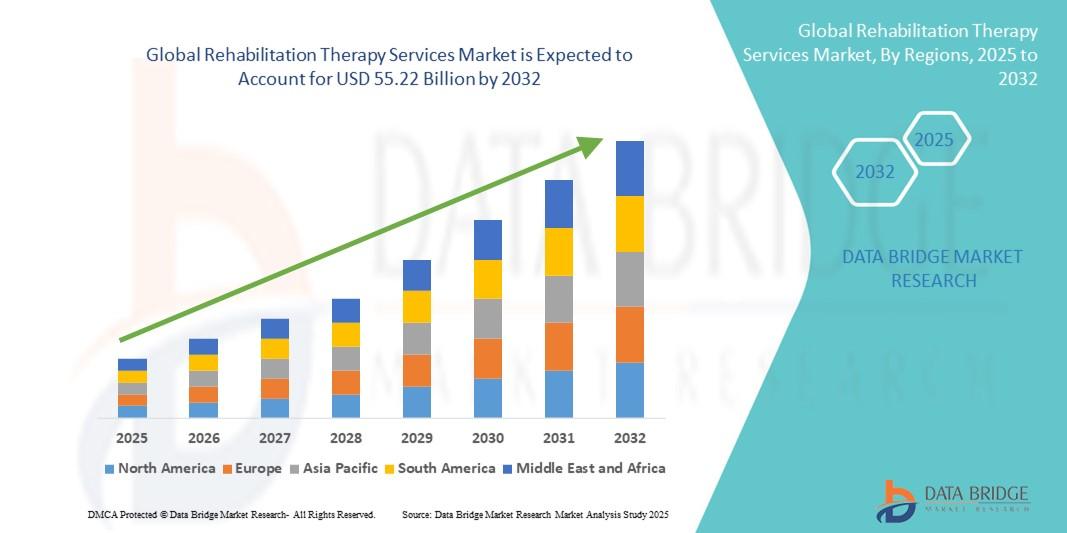
"Competitive Analysis of Executive Summary Rehabilitation Therapy Services Market Size and Share CAGR Value The global rehabilitation therapy services market size was valued at USD 29.39 billion in 2024 and is expected to reach USD 55.22 billion by 2032, at a CAGR of 8.20% during the forecast period A competition that is getting higher day by day has kept many challenges in front of...