Why Multi Cable Glands Are Essential for Modern Electrical Installations
As industrial electrical systems become more advanced, the need for efficient cable management continues to grow. Modern control panels, automation systems, telecommunications equipment, and renewable energy installations often require dozens of cables to enter a single enclosure. Managing all of these cables individually can increase installation complexity, occupy unnecessary space, and raise maintenance costs. This is why the Multi Cable Gland has become an increasingly popular solution across many industries.
A multi cable gland allows several cables to pass through a single cable entry point while maintaining reliable sealing and cable protection. These cable management solutions help reduce enclosure drilling, improve cable organization, and maintain high environmental protection standards in industrial systems.
What Is a Multi Cable Gland?
A multi cable gland is a specialized cable entry device designed to seal and secure multiple cables within one gland body. Unlike standard cable glands that only accommodate one cable, multi cable glands use sealing inserts with multiple holes that fit different cable sizes.
The gland compresses around the cables when tightened, creating a secure seal that protects against moisture, dust, vibration, and contaminants. This makes multi cable glands ideal for applications where multiple signal, control, or power cables must enter the same enclosure.
High-quality Multi Cable Gland systems are engineered to provide long-term durability and reliable sealing performance even in demanding industrial environments.
The Growing Need for Efficient Cable Management
Industrial systems today are far more complex than they were in the past. Automation technologies, smart manufacturing equipment, and digital monitoring systems require significantly more wiring and connectivity.
Without proper cable organization, installations can quickly become crowded and difficult to maintain. Using separate cable glands for every cable increases:
- Installation time
- Labor costs
- Enclosure space requirements
- Cable routing complexity
- Maintenance difficulty
Multi cable glands simplify this process by combining multiple cable entries into one compact solution.
Advantages of Multi Cable Glands
Space-Saving Design
One of the biggest benefits of multi cable glands is their ability to reduce the number of enclosure openings required. Instead of drilling several holes for multiple cable glands, installers can use one compact gland for several cables.
This is especially important in:
- Small electrical cabinets
- Automation control panels
- Telecom cabinets
- Compact machinery systems
Space efficiency helps improve enclosure organization and allows more room for internal electrical components.
Faster Installation
Installing multiple single cable glands can be time-consuming. Multi cable glands simplify installation by reducing the number of mounting points and sealing components required.
This helps contractors and panel builders save time during:
- Panel assembly
- Equipment installation
- Cable routing
- Maintenance upgrades
Faster installation also reduces labor expenses on large industrial projects.
Improved Cable Organization
Messy cable routing can create maintenance and troubleshooting challenges. Multi cable glands help organize cables neatly within the enclosure entry area.
Better cable organization improves:
- Maintenance efficiency
- System appearance
- Cable identification
- Long-term reliability
A well-organized electrical system is easier to inspect and service.
Reliable Environmental Protection
Industrial electrical systems often operate in harsh conditions where dust, water, chemicals, or vibration are present. Multi cable glands are designed to maintain strong environmental sealing while securing multiple cables.
Depending on the design and material, many Multi Cable Gland products offer high IP ratings suitable for industrial and outdoor use.
Common Applications of Multi Cable Glands
Industrial Automation
Automation systems require numerous signal and control cables connecting sensors, controllers, and machinery. Multi cable glands simplify cable routing in control panels and automation enclosures.
Renewable Energy Systems
Solar farms and wind energy installations often contain multiple power and communication cables entering weatherproof enclosures. Multi cable glands help maintain outdoor sealing performance.
Telecommunications
Data centers and telecommunications equipment use large numbers of cables in limited spaces. Multi cable glands help improve cable organization and enclosure efficiency.
Transportation and Rail Systems
Railway systems, electric vehicles, and transportation infrastructure rely on compact cable management solutions that can withstand vibration and movement.
Marine and Offshore Installations
Marine systems require durable sealing solutions capable of resisting moisture and corrosion. Stainless steel multi cable glands are commonly used in these demanding environments.
Material Options for Multi Cable Glands
Different installation environments require different gland materials.
Nylon Multi Cable Glands
Nylon glands are lightweight, corrosion-resistant, and electrically non-conductive. They are ideal for indoor industrial applications and telecommunications systems.
Brass Multi Cable Glands
Nickel-plated brass glands provide excellent mechanical strength and durability. They are widely used in industrial machinery and automation systems.
Stainless Steel Multi Cable Glands
SS-316 stainless steel glands offer superior resistance against corrosion, chemicals, and harsh environmental conditions. These are preferred for offshore, marine, and chemical processing applications.
Choosing the correct material helps ensure long-term reliability and environmental protection.
Important Factors When Selecting a Multi Cable Gland
Before selecting a cable gland, installers should consider several factors:
- Number of cables
- Cable outer diameters
- Environmental conditions
- Required IP rating
- Thread standard
- Material compatibility
Selecting the correct gland ensures proper sealing, cable protection, and system reliability.
Why Quality Matters
Low-quality cable glands may fail under industrial conditions, leading to water ingress, cable movement, or premature equipment failure. Poor sealing materials and weak construction can compromise electrical system safety.
High-quality multi cable glands provide:
- Durable sealing performance
- Reliable strain relief
- Long service life
- Corrosion resistance
- Compliance with international standards
Industrial systems require dependable cable management solutions that can operate continuously in demanding environments.
Conclusion
The Multi Cable Gland plays an important role in modern industrial cable management. By allowing multiple cables to pass through a single entry point, these cable glands improve installation efficiency, save enclosure space, and maintain strong environmental protection.
From industrial automation and telecommunications to renewable energy and transportation systems, multi cable glands help simplify complex wiring installations while improving long-term system reliability. As industries continue evolving toward smarter and more connected infrastructure, multi cable glands will remain a critical component in modern electrical systems.
Nach Verein filtern
Read More
"Executive Summary Valves, Actuators and Positioners Market Market Research: Share and Size Intelligence CAGR Value Data Bridge Market Research analyses that the valves, actuators and positioners market which was USD 1,600 million in 2022, would rocket up to USD 2,300 million by 2030 and is expected to undergo a CAGR of 8.3% during the forecast period This Valves, Actuators and...

In the realm of ultra-luxury real estate, architectural aesthetics and lifestyle amenities are only half of the conversation. For the astute investor, a property must transcend its physical beauty and function as a highly secure, high-yielding financial asset. When analyzing the National Capital Region's luxury market in 2026, one development consistently dominates the financial discourse: DLF...

Synaptigen Brain Support is a premium supplement designed to enhance cognitive function, memory, and mental clarity naturally. Formulated with clinically studied ingredients, it supports focus, learning, and overall brain health, helping you stay sharp throughout the day. This powerful formula nourishes your neurons, promotes healthy neurotransmitter activity, and combats age-related cognitive...

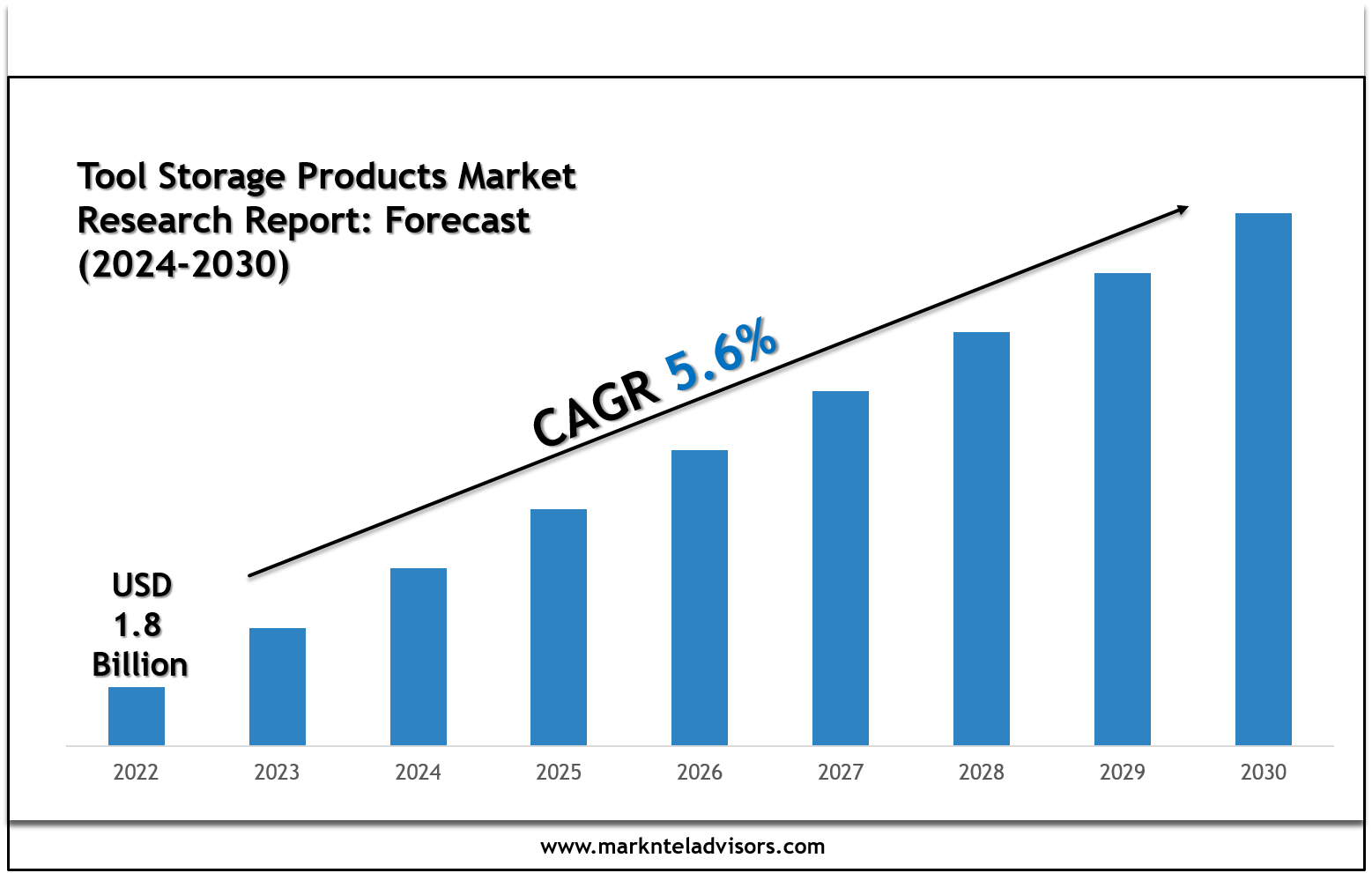
Future Tool Storage Products Market: Key Dynamics, Size & Share Analysis The Global Tool Storage Products Market size was valued at around USD 1.8 billion in 2022 & is expected to grow at a CAGR of about 5.6% during the forecast period, i.e., 2024-30. The growth of the market is projected to be driven by the rapidly rising construction activities...
Electric Vehicles And Fuel Cell Vehicles Market Market Overview The Electric Vehicles And Fuel Cell Vehicles Market is witnessing strong expansion as governments, automakers, and consumers increasingly shift toward sustainable transportation systems. Electric vehicles (EVs) and fuel cell vehicles (FCVs) are becoming central to global decarbonization efforts by reducing greenhouse gas emissions...