Back Pain Treatment That Helps Michigan Patients Avoid Lifelong Medication
Long-term medication use for chronic back pain is a path that leads many patients somewhere they did not intend to go. What starts as a practical solution for managing daily discomfort can quietly become a dependency that creates its own health problems. The good news for Michigan residents is that back pain treatment has evolved to the point where medication should rarely be the long-term answer, and board-certified pain specialists are specifically focused on finding approaches that help patients achieve real relief without a lifetime commitment to pharmaceuticals.
The Problem With Medication as a Long-Term Back Pain Solution
Medications for back pain fall into several categories, each with its own risk profile. Anti-inflammatory drugs used over months and years can damage the gastrointestinal lining and affect kidney and cardiovascular function. Muscle relaxants cause cognitive dulling and coordination impairment that affects work performance and safety. Opioid pain medications carry risks of tolerance, dependency, and a host of secondary physical and mental health effects that often end up exceeding the burden of the original pain condition.
None of this means that medications have no role in back pain treatment. They do, particularly in the short term during acute phases of pain or as an adjunct to interventional procedures. But relying on them as the primary long-term strategy means accepting ongoing risk in exchange for partial and temporary relief.
What Evidence-Based Care Looks Like as an Alternative
The interventional alternative to medication-dependent back pain treatment is built around addressing what is actually causing the pain. Epidural steroid injections deliver targeted anti-inflammatory treatment directly to inflamed nerve tissue. Facet joint procedures address arthritic spinal joints without systemic drug exposure. Minimally invasive lumbar decompression resolves nerve compression from spinal stenosis with far less recovery burden than open surgery and without the ongoing medication exposure that surgery sometimes increases.
These approaches produce relief through structural correction and targeted biological intervention rather than through chemical suppression of symptoms throughout the entire body. For many patients, completing a focused course of interventional back pain treatment allows them to significantly reduce or eliminate the medications they had been taking for years.
Physical Medicine as Part of a Medication-Free Future
Physical medicine and rehabilitation play an essential supporting role in building a medication-free future for back pain patients. Strengthening the core muscles that support spinal alignment, improving hip flexibility that affects lumbar mechanics, and developing better movement habits that reduce the daily load on damaged spinal structures all contribute to an environment where the spine can function well without requiring constant chemical support.
When interventional procedures address the acute sources of structural pain and physical medicine builds the muscular infrastructure to maintain that improvement, the result is a genuinely more stable and less painful spine over the long term.
The Role of Outcome Tracking in Reducing Medication Dependence
Advanced patient outcome tracking is a valuable tool in the process of reducing medication dependence. By objectively measuring pain levels, functional capacity, and quality of life metrics over time, pain specialists can demonstrate to both the patient and the prescribing physician that structural improvements are occurring and that the clinical basis for high-dose medication use is diminishing. This data-supported approach to medication tapering is far more reliable than attempting to reduce medications based on subjective reports alone.
Platforms like DataBiologics and OutcomeMD make this tracking systematic and precise, giving everyone involved in the patient's care a clear view of how treatment is progressing and what adjustments are appropriate.
Insurance Coverage Supports the Move Away From Medication
For patients whose insurance covers their current medication prescriptions, it is worth knowing that the evidence-based joint pain treatment and spinal interventional procedures that represent a genuine alternative to medication dependence are also covered by most major insurance plans. Medicare, Medicaid, and most private carriers recognize these treatments as medically appropriate care and provide coverage accordingly at specialty pain management clinics in Metro Detroit.
Conclusion
Chronic back pain does not require a chronic medication solution. Michigan residents who are tired of managing their pain through pharmaceuticals and want a real alternative have access to board-certified pain specialists who use evidence-based interventional techniques to address the actual sources of their discomfort. The goal is a life where back pain treatment is something you completed, not something you are continuously undergoing.
Categorias
Leia mais
A new growth forecast report titled Gunshot Detection System Market Share, Size, Trends, Industry Analysis Report, By Application (Indoor, Outdoor); By Solution; By End Use; By Installation; By Region; Segment Forecast, 2023 - 2032 introduced by Polaris Market Research represents conclusive data on the overall market. It majorly targets to provide a detailed analysis of growth...

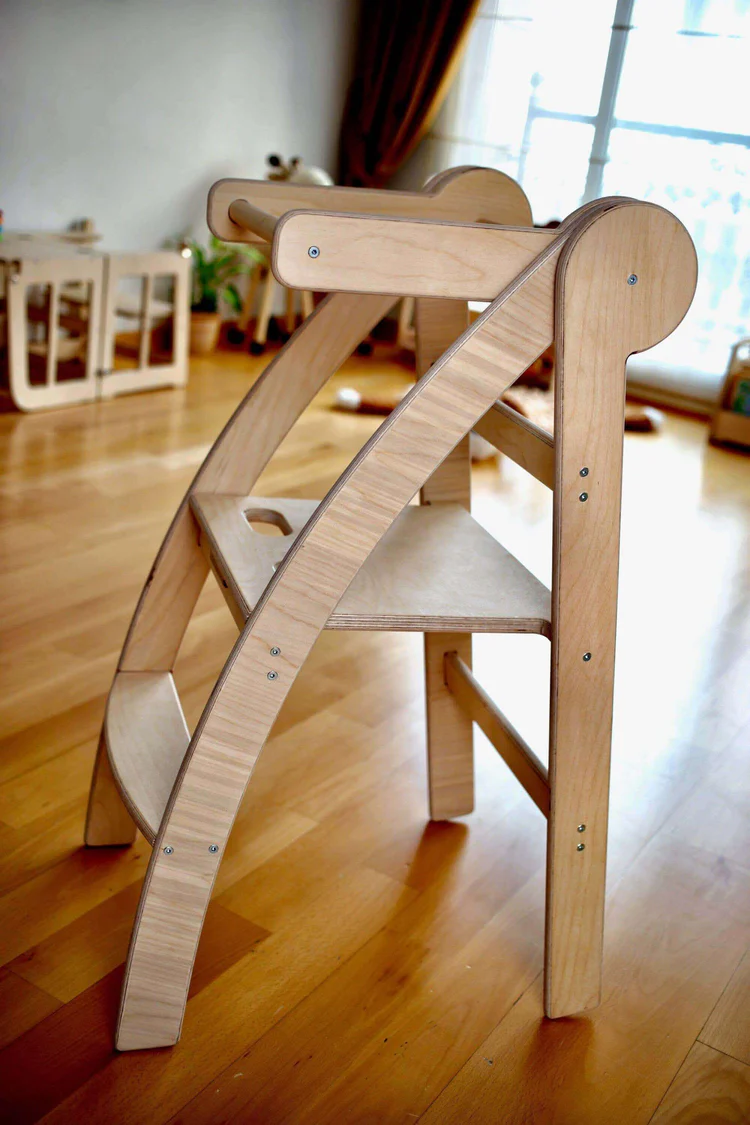
A toddler tower, also referred to as a helper stool or learning tower, is an innovative piece of furniture used by toddlers to safely reach countertops. It allows toddlers to participate in daily chores, with the underlining thought of promoting independence within a safe environment based on the principle of Montessori. A Foldable Toddler Tower, unlike a regular step stool, provides additional...
The demand for high-quality architectural components has surged during the past few years which affects both residential and commercial construction work. PVD-coated railings have become the top choice for contemporary indoor and outdoor design projects. The growing demand for PVD raillings requires manufacturers who provide both long-lasting performance and appealing design to create a...
Online betting has become more popular than ever, especially among users who enjoy sports, casino games, and live gaming experiences from their mobile devices. One of the easiest ways to access these features is by using a SkyExchange ID. Whether you are a beginner or an experienced player, having a verified betting ID can make your overall experience smoother, faster, and more enjoyable....
TikTok has emerged as a powerful platform for content creators, influencers, and businesses to showcase their talents and products. With over a billion active users worldwide, the competition to gain visibility is fierce. One effective strategy to enhance your presence on TikTok is by buying TikTok likes via PayPal. SocialBudies offers a seamless and secure way to achieve this. Why...