


Encouraging Curiosity in Kids Through Language Exploration
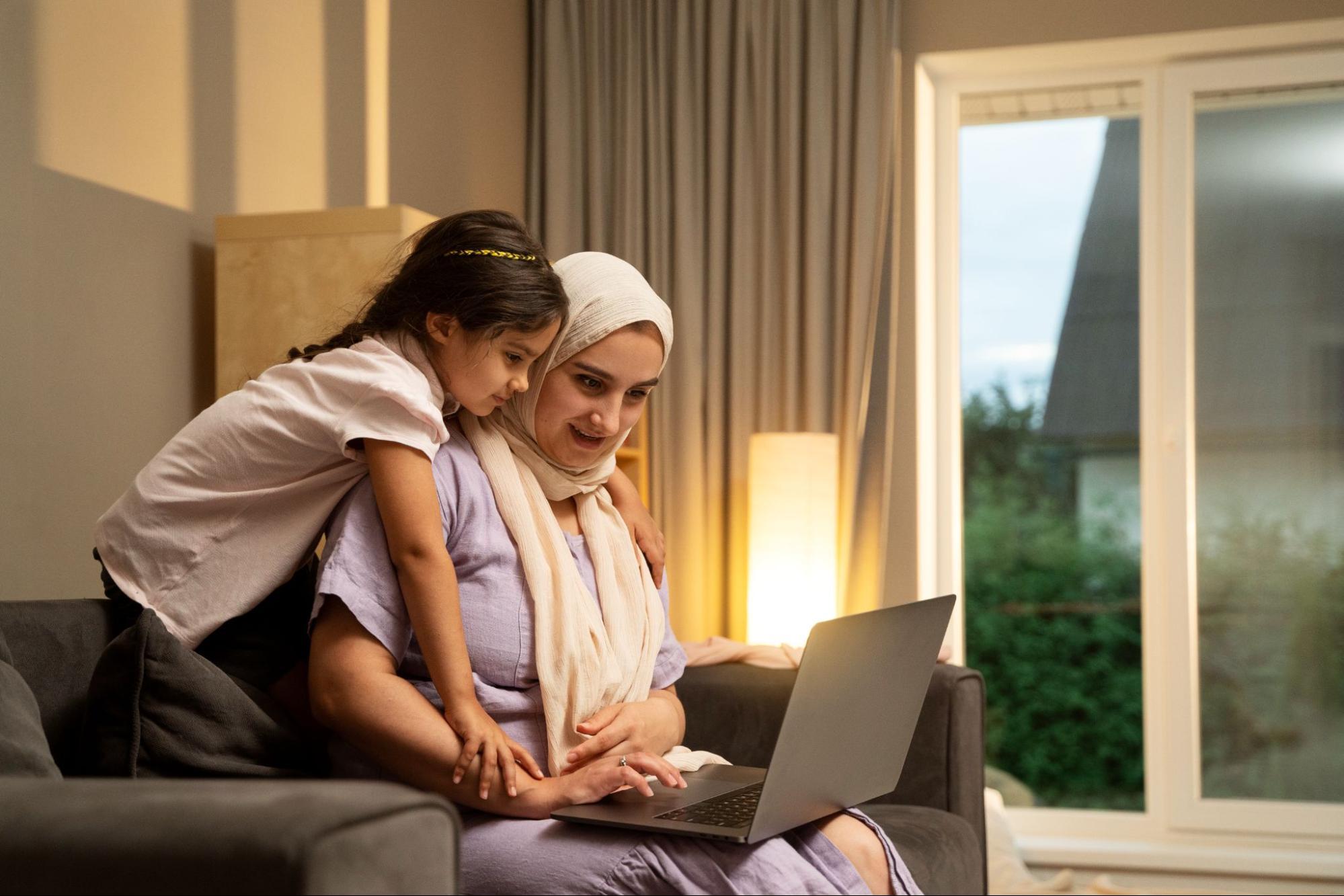
Curiosity is one of the most powerful drivers of learning in children. When nurtured effectively, it can shape how they perceive the world, interact with others, and absorb new knowledge. Language exploration offers a unique and engaging way to fuel this curiosity, allowing children to discover not just words but cultures, perspectives, and ways of thinking.
Learning many languages is more than simply an academic benefit in today's globalised society; it's a life skill. Encouraging children to explore languages from an early age helps them become open-minded, confident, and adaptable individuals. This blog explores how language exploration can spark curiosity in children and support their overall development.
Introducing Languages Through Play and Exploration
When kids are playing, they learn the most. Introducing new languages through games, songs, and storytelling makes the learning process enjoyable and natural. Instead of focusing on memorisation, children begin to associate language with fun experiences, which increases their willingness to explore further.
Interactive activities such as role-playing, language-based puzzles, or simple conversations encourage children to experiment with words without fear of making mistakes. This playful approach nurtures curiosity, as children become eager to discover new words and meanings in a relaxed and supportive environment.
Connecting Language to Everyday Experiences
One effective way to spark curiosity is by linking language learning to a child’s daily life. Simple practices such as naming objects around the house, describing actions, or using basic phrases during routine activities help children see the practical value of language.
When children realise that language is not confined to books but is part of their everyday experiences, they become more interested in learning. This connection encourages them to ask questions, explore meanings, and actively participate in conversations, thereby strengthening both their curiosity and communication skills.
Encouraging Questions and Open Conversations
Curious children naturally ask questions, and language exploration provides endless opportunities for discussion. Encouraging children to ask about new words, phrases, or cultural expressions helps them develop a deeper understanding of language.
Open conversations also allow children to express their thoughts and ideas freely. When parents and educators respond positively to their questions, it reinforces their curiosity and motivates them to keep exploring. This two-way interaction creates a dynamic learning environment where curiosity thrives.
Exploring Cultures Alongside Language
Language and culture are deeply interconnected. Introducing children to the cultural aspects of a language—such as traditions, food, music, and stories—makes learning more meaningful and engaging. It helps children understand the context in which a language is used, enriching their overall experience.
For instance, engaging in Arabic learning for kids can include exploring traditional stories, festivals, or cultural practices associated with the language. This holistic approach not only enhances language skills but also broadens a child’s worldview, making them more curious about different cultures and perspectives.
Using Technology as a Learning Tool
Technology can be a powerful ally in language exploration when used effectively. Educational apps, interactive videos, and online platforms provide diverse resources that make language learning accessible and engaging. These tools often include visual and auditory elements that cater to different learning styles.
By incorporating technology, children can explore languages at their own pace and revisit concepts as needed. However, it is important to ensure that screen time remains purposeful. When used wisely, digital tools can enhance curiosity by offering new ways to interact with and understand language.
Creating a Supportive and Encouraging Environment
A positive learning environment plays a crucial role in fostering curiosity. Children need to feel safe and supported to experiment with new languages without fear of making mistakes. Encouragement and praise for their efforts can significantly boost their confidence and willingness to learn.
Parents and educators can create this environment by being patient, attentive, and actively involved in the learning process. Providing access to structured yet flexible resources, such as Learn Arabic online for kids can also support consistent learning while keeping the experience engaging and enjoyable.
Promoting Creative Expression Through Language
Language is a powerful tool for creativity. Encouraging children to use new words in storytelling, drawing, or role-playing activities allows them to express themselves in unique ways. This creative exploration deepens their understanding of language and keeps them motivated to learn more.
When children are given the freedom to experiment with language creatively, they develop confidence in their abilities. They begin to see language as a means of expression rather than just a subject to study. This perspective nurtures long-term interest and curiosity.
Building Confidence Through Small Achievements
Recognising and celebrating small achievements is essential in maintaining a child’s curiosity. Whether it is learning a new word, forming a sentence, or understanding a phrase, each milestone contributes to their sense of accomplishment.
These small successes build confidence and encourage children to take on new challenges. When they see their progress, they become more motivated to explore further. This positive reinforcement creates a cycle of curiosity and learning that continues to grow over time.
Introducing Multisensory Learning Techniques
Children respond exceptionally well to learning that engages multiple senses. Incorporating visual, auditory, and tactile elements into language exploration can make the experience more immersive and memorable. Activities such as using flashcards, listening to songs, watching animated stories, or even practising writing letters help reinforce language concepts in different ways.
Multisensory learning not only improves retention but also keeps children curious and engaged. When they can see, hear, and interact with language simultaneously, it becomes easier for them to understand and remember new words. This approach caters to different learning styles and ensures that language exploration remains dynamic, enjoyable, and effective.
Encouraging Consistency Without Pressure
Consistency is key to effective language learning, but it should never come at the cost of a child’s enthusiasm. Encouraging regular practice in a relaxed manner helps children develop a habit of learning without feeling pressured.
Short, engaging sessions are often more effective than long, demanding ones. By maintaining a balance between consistency and enjoyment, parents can ensure that children remain curious and interested in language exploration over the long term.
Conclusion
Encouraging curiosity in children through language exploration is a rewarding and impactful approach to learning. By integrating play, culture, creativity, and real-life experiences, language becomes more than just a skill—it becomes a gateway to discovery.
When children are supported in a positive and engaging environment, their natural curiosity flourishes. This not only enhances their language abilities but also shapes them into open-minded, confident individuals who are eager to explore the world around them.
Categorii
Citeste mai mult
Understanding Your Travel Needs Before booking a limousine, it is important to understand your specific travel needs and expectations clearly and carefully. Think about how many people will ride, what type of event it is, and how long the trip will last. If you are traveling for a wedding, you may need a larger luxury car with elegant interiors and decorations. For airport transfers,...

High energy laser (HEL) systems have emerged as a critical technology within modern defense and security operations. These advanced directed-energy solutions utilize concentrated beams of energy to neutralize threats with exceptional precision and speed. HEL technologies are increasingly being integrated into military platforms for applications such as missile defense, counter-drone operations,...

"Middle East and Africa Molecular Diagnostics Market Summary: According to the latest report published by Data Bridge Market Research, the Middle East and Africa Molecular Diagnostics Market The Middle East and Africa molecular diagnostics market size was valued at USD 1.16 billion in 2025 and is expected to reach USD 1.86 billion by 2033, at a CAGR of...

Imagine stepping into a living tapestry of forts, palaces, and vibrant bazaars—that's the magic of India's Golden Triangle awaiting you. The Golden Triangle tour connects three iconic cities: Delhi, Agra, and Jaipur, offering first-time visitors an unforgettable crash course in India's heritage. Pioneer Holidays crafts journeys that turn novices into enthusiasts...

" According to the latest report published by Data Bridge Market Research, the Cloud Supply Chain Management Market Data Bridge Market Research analyses that the cloud supply chain management market is expected to reach USD 71.93 billion by 2030, which is USD 21.79 billion in 2022, at a CAGR of 16.10% during the forecast period. In addition to the market insights such as market value,...