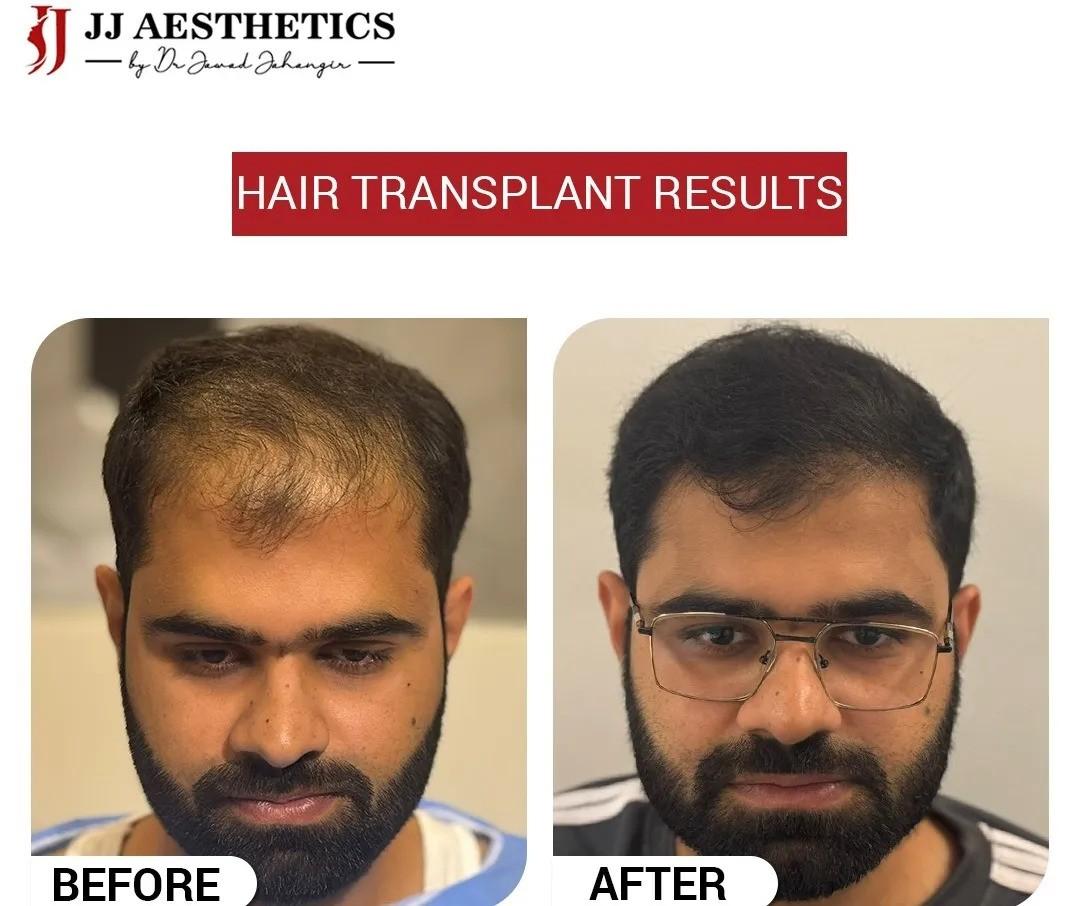
Vitamins can play an important role in supporting hair growth and recovery after a hair transplant. However, many patients are unsure about the right time to restart or begin supplements after the procedure. Since the scalp is healing and newly transplanted grafts are delicate, timing matters. Taking the wrong supplements too early may increase bleeding or interfere with recovery, while the right vitamins at the proper time can help strengthen hair follicles and improve overall results.
Can You Take Vitamins Immediately After a Hair Transplant?
In most cases, patients are advised to wait a few days before restarting regular vitamin supplements. Some vitamins and herbal supplements can thin the blood or increase swelling, which may affect healing during the first few days after surgery.
Hair transplant surgeons usually recommend:
- Avoiding most supplements for 3 to 7 days before surgery
- Restarting vitamins about 5 to 7 days after the procedure
- Following personalized instructions provided by the clinic
The exact timing may vary depending on your health condition, medications, and the type of vitamins you take.
Vitamins That May Increase Bleeding
Certain supplements can affect blood circulation and should not be taken immediately after surgery. These include:
- Vitamin E
- Fish oil
- Omega-3 supplements
- Ginkgo biloba
- Garlic supplements
- Ginseng
These products may thin the blood and increase the risk of bleeding or swelling around the transplanted area. Surgeons often advise waiting at least one to two weeks before restarting them.
Best Vitamins for Hair Growth After Recovery
Once the initial healing period is complete, vitamins can support stronger and healthier hair growth. Commonly recommended supplements after hair transplantation include:
Biotin
Biotin is one of the most popular vitamins for hair health. It supports keratin production, which is important for stronger hair strands. Many patients begin biotin supplements about one week after surgery, depending on their doctor’s advice.
Vitamin D
Low vitamin D levels are often linked with hair thinning and hair loss. Maintaining healthy vitamin D levels may help improve overall scalp and follicle health.
Zinc
Zinc supports tissue repair and immune function. It may help the scalp heal more efficiently after the transplant.
Iron
Iron deficiency can contribute to hair shedding and weak hair growth. However, iron supplements should only be taken if recommended by a doctor because excessive iron intake may cause side effects.
Vitamin C
Vitamin C helps with collagen production and wound healing. It also supports the immune system during recovery.
Hair Growth Supplements After a Hair Transplant
Some patients use specialized hair supplements designed to support transplanted hair growth. These products often combine biotin, zinc, vitamins, and amino acids. While they may help improve hair quality, they are not a substitute for proper surgical aftercare and healthy lifestyle habits.
Always consult your surgeon before starting any new supplement after a hair transplant.
Importance of Nutrition During Recovery
Vitamins work best when combined with a healthy diet. After a hair transplant, patients should focus on nutrient-rich foods such as:
- Eggs
- Fish
- Nuts
- Leafy green vegetables
- Fruits
- Lean proteins
- Whole grains
Hydration is also important because proper blood circulation supports graft survival and healing.
Can Vitamins Speed Up Hair Growth?
Vitamins cannot instantly grow hair, but they can create a healthier environment for hair follicles. Hair transplant results take time, and most patients begin seeing noticeable growth after three to four months. Full results usually appear within 9 to 12 months.
Supplements may support stronger and thicker hair growth, especially if the body lacks essential nutrients. However, taking excessive vitamins does not guarantee faster results and may even cause unwanted side effects.
Follow Your Surgeon’s Advice
Every patient is different, and recovery plans can vary based on the transplant technique, health condition, and medications. Some clinics may recommend waiting longer before restarting supplements, especially blood-thinning vitamins.
Always follow your surgeon’s post-operative instructions carefully. If you are unsure whether a supplement is safe, contact your clinic before taking it.
Final Thoughts
Most patients can safely restart basic vitamins about 5 to 7 days after a hair transplant, while blood-thinning supplements like vitamin E and fish oil may need to be avoided for one to two weeks. Vitamins such as biotin, zinc, vitamin D, and vitamin C can support healthy hair growth and scalp healing when used correctly.
A balanced diet, proper hydration, and following your surgeon’s recovery guidelines are the best ways to achieve strong, natural-looking hair transplant results.