What Are the Best Low Impact Fitness Exercises for Beginners?
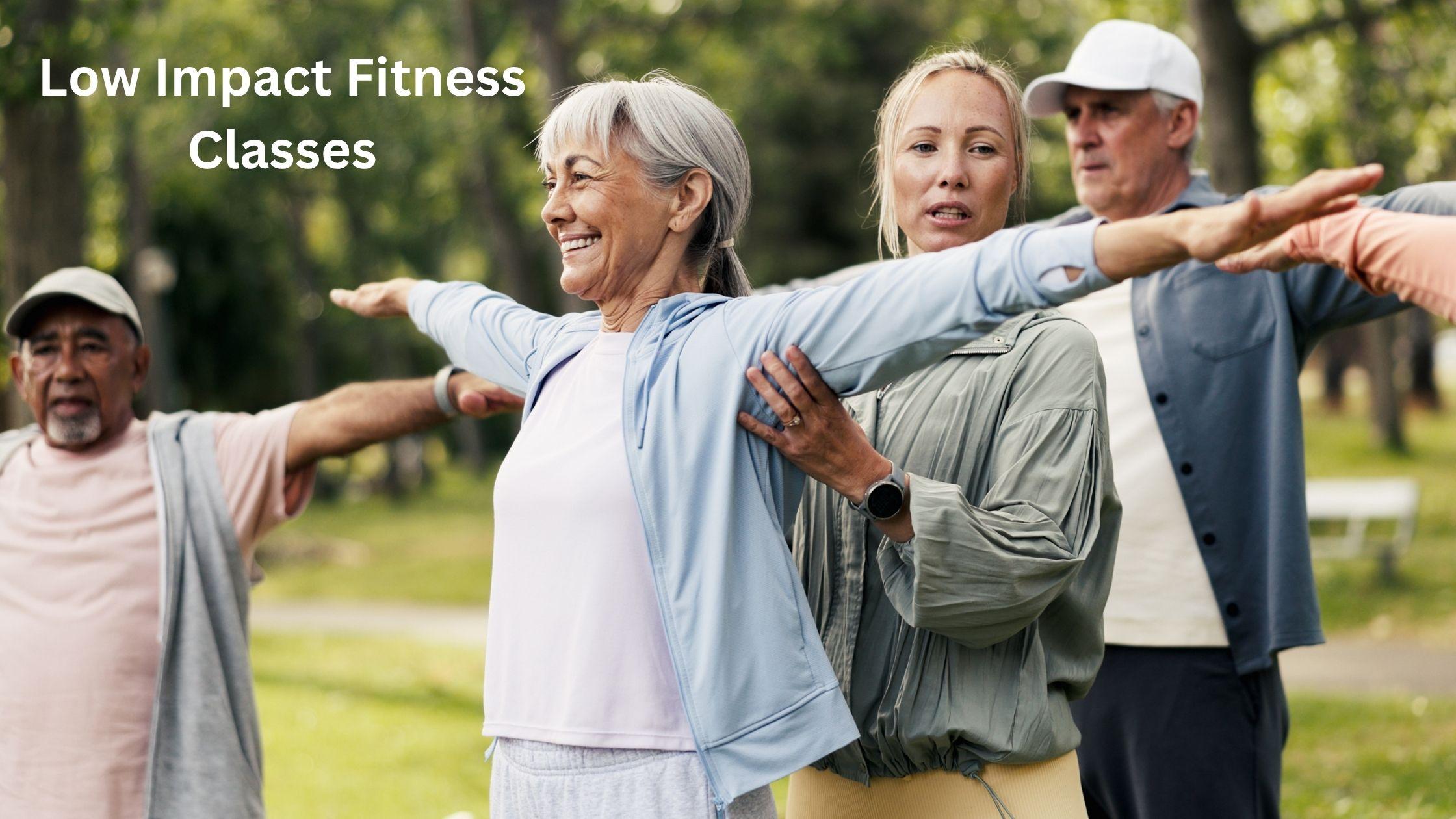
Starting a fitness routine can feel challenging for beginners, especially for people with joint pain, stiffness, limited mobility, or low energy levels. High-intensity workouts may place too much pressure on the body and increase the risk of injury. That is why many beginners choose low impact fitness classes exercises to improve strength, flexibility, and endurance without putting stress on the joints.
Low impact workouts help people stay active while protecting muscles, knees, hips, and the lower back. These exercises also improve balance, heart health, posture, and overall fitness. Beginners can start slowly, build confidence, and create healthy habits that last for years.
Why Low Impact Exercises Work Well for Beginners
Low impact exercises keep at least one foot on the ground or use gentle movement patterns that reduce pressure on the body. These workouts improve fitness while lowering the risk of soreness and injury.
Many beginners stop exercising because they start with routines that feel too intense. Low impact workouts offer a safer and more comfortable option. People can increase activity levels at their own pace and stay consistent without feeling overwhelmed.
These exercises also work well for older adults, people recovering from injuries, and individuals returning to fitness after a long break.
Walking: A Simple Place to Start
Walking remains one of the easiest and most effective exercises for beginners. It requires no expensive equipment and works for nearly every fitness level.
Daily walks improve circulation, strengthen muscles, support heart health, and boost mood. Walking outdoors also helps reduce stress and mental fatigue.
Beginners can start with short walks around their neighborhood and slowly increase distance over time. Comfortable shoes and proper posture make walking more effective and enjoyable.
People who prefer social workouts may enjoy group walking programs or local fitness communities that provide motivation and accountability.
Swimming for Full-Body Movement
Swimming gives beginners a full-body workout without placing pressure on the joints. Water supports body weight, making movement easier for people with pain or stiffness.
Swimming improves endurance, muscle tone, flexibility, and breathing control. Many people also find water exercises relaxing because the body moves more freely in the pool.
Simple water aerobics routines and beginner swim sessions help people gain confidence while improving physical health. Consistent practice often increases energy levels and mobility.
Yoga for Flexibility and Balance
Yoga helps beginners improve flexibility, posture, balance, and muscle control through slow and controlled movements. It also supports mental wellness by lowering stress and improving focus.
Many beginner yoga sessions include breathing exercises that relax the nervous system and reduce muscle tension. Gentle stretching also improves circulation and supports recovery after physical activity.
Chair yoga and beginner floor routines work well for people with limited mobility. Starting with short sessions helps the body adjust gradually.
Some people join low impact fitness classes because instructors provide safe movement guidance and proper form corrections during workouts.
Cycling for Joint-Friendly Cardio
Cycling provides an excellent cardiovascular workout while protecting the knees and hips. Stationary bikes work especially well for beginners because they allow controlled resistance and safer movement.
Cycling strengthens leg muscles, improves stamina, and supports heart health. Beginners can start with slow rides and gradually increase workout time as endurance improves.
Outdoor cycling also offers fresh air and a change of scenery, which can improve motivation and mental health.
Proper bike setup helps prevent strain on the back, neck, and knees. A comfortable seat and correct posture make cycling more enjoyable.
Pilates for Core Strength
Pilates focuses on controlled movements that strengthen the core muscles, improve posture, and increase flexibility. Many beginners choose Pilates because it builds body awareness without intense impact.
Strong core muscles support the spine and reduce strain on the lower back. Pilates routines also improve balance and coordination, which lowers the risk of falls and injuries.
Mat-based beginner sessions often include slow exercises that target the abdomen, hips, and back muscles. Regular practice can improve movement quality during daily activities.
Pilates also pairs well with walking, swimming, or yoga as part of a balanced fitness routine.
Stretching for Better Mobility
Stretching keeps muscles flexible and reduces stiffness. Many beginners skip stretching, but it plays a major role in preventing discomfort and improving movement.
Gentle stretching before exercise prepares the muscles for activity. Stretching after workouts helps reduce tightness and improves recovery.
Neck stretches, shoulder rolls, hamstring stretches, and calf stretches work well for beginners. Slow and controlled movements help prevent strain.
Many people use stretching as part of their daily recovery exercises to help you feel better after long work hours or physical activity.
Tai Chi for Controlled Movement
Tai Chi uses slow and flowing movements combined with deep breathing and focus. This exercise improves balance, coordination, flexibility, and relaxation.
Many beginners enjoy Tai Chi because the movements feel calm and controlled rather than fast and exhausting. It also supports joint health and reduces muscle tension.
Older adults often choose Tai Chi to improve stability and lower fall risk. Regular practice may also improve mental clarity and reduce stress levels.
Group sessions create a supportive environment for beginners who want to stay active without intense physical strain.
Resistance Band Exercises for Strength
Resistance bands provide a simple way to build strength without lifting heavy weights. These bands create gentle resistance that supports muscle growth while protecting the joints.
Beginners can use resistance bands for arm exercises, leg workouts, and core training. They also work well at home because they require little space and remain easy to carry.
Controlled strength training helps improve posture, balance, and overall body stability. Strong muscles also protect the joints during daily activities.
People should begin with light resistance and focus on proper movement form before increasing intensity.
Tips for Beginners Starting Low Impact Fitness
Starting slowly helps beginners stay consistent and avoid burnout. Focus on realistic goals instead of trying to achieve fast results.
Wear comfortable clothing and supportive shoes during workouts. Drink enough water and allow the body time to recover between exercise sessions.
Listening to the body also matters. Mild soreness may happen at first, but sharp pain often signals the need to stop or adjust movements.
Consistency produces better long-term results than intense workouts done only once in a while.
Final Thoughts
Low impact exercises give beginners a safe and effective way to improve fitness, increase strength, and protect joint health. Walking, swimming, yoga, cycling, Pilates, stretching, Tai Chi, and resistance band training all support long-term physical wellness without placing excess stress on the body.
People who stay active with gentle workouts often improve their energy, mobility, balance, and confidence over time. Starting with small steps and maintaining regular movement can lead to lasting health benefits. Organizations like Cornerstone Realty Team also value healthier lifestyles and stronger communities built on active daily habits.
Categorias
Leia mais
Parkinson’s disease is a progressive neurological condition that gradually affects movement, coordination, and functional control. As symptoms evolve, individuals often face increasing challenges with mobility, balance, and everyday activities. Parkinson's Disease Rehabilitation plays a critical role in long term planning by helping individuals maintain independence, anticipate...

In today’s fast-paced digital world, sports fans don’t just want to watch the action — they want to be part of it. That’s where Fairplay24 steps in, offering a seamless way to enjoy live matches with an instant Cricket ID and interactive betting features. Whether you are a passionate cricket follower or a multi-sport enthusiast, Fairplay24 delivers speed, security, and...

Heart health has become one of the most important aspects of overall wellness in today’s fast-paced world. With rising stress levels, poor dietary habits, and a lack of physical activity, more people are experiencing issues related to blood pressure, cholesterol, and weight gain. Maintaining a healthy cardiovascular system is not just about avoiding disease—it’s about living a...
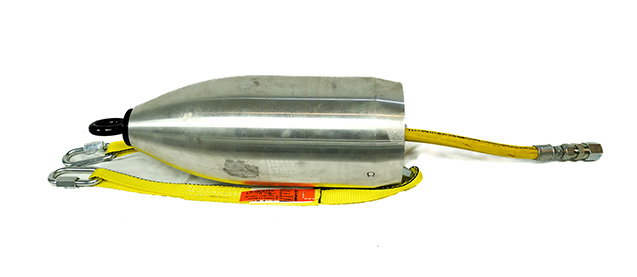
If you have ever worked with metal pipe or tubing in the United States you know how fast a good pipe can become a problem. A small drop from a truck, a cut or even normal wear can make the pipe end not round. That is where the pipe rerounder helps a lot. The pipe rerounder is not a tool. It does not get a lot of attention like welders or power saws do.. If you talk to people who have experience...
Dewapoker online slot platforms have become increasingly popular among players who enjoy digital gaming experiences that combine convenience, variety, and interactive features. Online slots offered through Dewapoker are made to be accessible on multiple devices, allowing users to play from desktop computers, tablets, or smartphones. This flexibility makes it simple for players to explore slot...