The Hidden Commercial Opportunity Inside the YEIDA KIOSK SCHEME

Introduction
The commercial real estate market around the Yamuna Expressway is changing faster than many investors expected. While most buyers are still focused on large commercial plots, office spaces, and retail shops, a smaller but highly practical segment is quietly attracting attention — the YEIDA KIOSK SCHEME.
For many first-time investors, the biggest challenge in commercial property is affordability. Large retail units demand high capital, longer holding periods, and greater operational risk. Kiosk-based commercial spaces, however, offer a different entry point into the market.
Over the last few years, ground-level commercial activity near the upcoming Noida International Airport has started creating demand for compact retail formats. Small food outlets, convenience stores, service kiosks, travel support counters, and quick-access retail spaces are expected to play an important role in this developing ecosystem.
That is where the hidden value of the YEIDA commercial kiosk model becomes important.
Why Small Commercial Formats Are Gaining Attention
In developing urban corridors, compact retail spaces often perform better than oversized commercial units during the early growth phase.
The reason is simple.
When a region is still under infrastructure expansion, footfall is usually scattered across sectors rather than concentrated in one location. During this stage, smaller operational businesses have lower maintenance costs and easier scalability.
This pattern has already been seen near metro stations, expressways, transport hubs, and IT corridors across NCR.
The Yamuna Expressway region is now entering a similar transition phase.
With projects linked to aviation, logistics, tourism, warehousing, education hubs, and industrial growth, daily-use retail demand is naturally expected to increase over time.
The YEIDA KIOSK SCHEME fits into this changing commercial environment because it targets functional retail demand instead of luxury commercial speculation.
Understanding the Real Purpose of the YEIDA KIOSK SCHEME
Many investors misunderstand kiosk projects as temporary retail structures. In reality, planned kiosk developments under YEIDA are designed to support organized commercial activity in emerging urban sectors.
These kiosks are usually planned for:
-
Daily convenience retail
-
Food and beverage counters
-
Pharmacy and utility stores
-
Service businesses
-
Quick-access shopping
-
Transit-support retail
From an urban planning perspective, such formats become essential because every large residential and industrial zone eventually requires small-scale commercial support.
This is especially relevant near the Jewar Airport influence zone, where future population movement is expected to increase gradually over the next several years.
Why Location Matters More Than Unit Size
One common mistake investors make is focusing only on square footage.
In commercial real estate, usability and location efficiency often matter more than size.
A small kiosk positioned near high-movement sectors can sometimes generate better business activity than a larger unit located in a low-demand area.
The Yamuna Expressway region has several growth drivers that make location-based retail increasingly important:
Upcoming Noida International Airport
The airport project is expected to create long-term employment, hospitality demand, passenger movement, and support services.
Industrial and Logistics Expansion
Warehousing, electronics manufacturing, and industrial developments are gradually increasing commercial ecosystem demand in nearby sectors.
Residential Population Growth
As more residential projects become operational, everyday retail needs automatically rise.
Infrastructure Connectivity
Expressway connectivity, metro proposals, and regional transport improvements improve accessibility for businesses and consumers.
For investors, these factors matter because commercial growth rarely happens in isolation. Retail activity follows infrastructure development.
Who Should Consider Investing
The YEIDA KIOSK SCHEME is not suitable for every type of investor.
However, it can make practical sense for:
First-Time Commercial Investors
Those who want exposure to commercial real estate without investing heavily in large retail assets.
Long-Term Investors
Buyers who understand that infrastructure-led regions require patience before reaching peak commercial maturity.
Business Owners
Small entrepreneurs looking for affordable operational retail spaces near future growth corridors.
Investors Seeking Rental Possibilities
Compact retail formats often attract small business operators because entry costs are comparatively manageable.
Who Should Avoid It
Every investment has limitations, and ignoring them creates unrealistic expectations.
This type of investment may not suit:
-
Investors expecting immediate high rental income
-
Short-term speculative buyers
-
People unfamiliar with developing-market risks
-
Buyers expecting metro-city commercial footfall immediately
The Yamuna Expressway region is still evolving. While future potential exists, commercial activity will develop in phases rather than overnight.
Key Risk Factors Investors Should Understand
Smart investors do not look only at opportunity. They also study execution risks.
Before investing in any kiosk-based commercial property, buyers should evaluate:
Infrastructure Timelines
Development speed can impact short-term commercial demand.
Sector-Level Activity
Not every sector develops at the same pace. Ground-level analysis matters.
Retail Sustainability
Commercial success depends on future consumer movement, not just allotment announcements.
Holding Capacity
Investors should maintain realistic holding expectations for developing zones.
Experienced real estate investors usually study the broader ecosystem instead of relying only on launch excitement.
Why This Segment Is Still Undervalued
One interesting observation in NCR real estate is that many investors enter after infrastructure becomes fully operational.
By that stage, pricing often rises sharply.
Historically, early-stage commercial opportunities near large infrastructure projects have delivered stronger long-term appreciation when supported by actual urban development.
The kiosk segment remains relatively under-discussed because most market attention still revolves around large plots and premium commercial spaces.
However, practical retail infrastructure often becomes one of the first visible signs of real urban activity.
That is why experienced investors are beginning to track smaller commercial formats more seriously.
Long-Term Perspective Matters More Than Hype
The biggest mistake in emerging real estate corridors is treating every project as a quick-return opportunity.
The Yamuna Expressway market requires a long-term mindset.
Investors who understand infrastructure cycles usually focus on:
-
Future usability
-
Population movement
-
Commercial necessity
-
Regional planning
-
Demand sustainability
The YEIDA KIOSK SCHEME should be evaluated through this broader lens rather than short-term market noise.
Conclusion
The commercial landscape around the Yamuna Expressway is gradually evolving beyond traditional plot-based investment thinking. Smaller retail formats are becoming part of the larger urban growth story, especially in regions connected to major infrastructure expansion.
The YEIDA KIOSK SCHEME represents a practical commercial segment that may benefit from long-term regional development if planned carefully and evaluated realistically.
According to ERM Global Investors, investors should focus less on short-term excitement and more on understanding how infrastructure, population growth, and commercial usability come together over time. For buyers seeking guidance in the YEIDA region, informed decision-making and ground-level research remain more important than market hype.
FAQs
Q1. What is the YEIDA KIOSK SCHEME?
Ans. The YEIDA KIOSK SCHEME is a planned commercial retail development model offering compact commercial spaces in the Yamuna Expressway region.
Q2. Is the YEIDA KIOSK SCHEME suitable for small investors?
Ans. Yes, it may suit first-time commercial investors looking for relatively affordable entry into commercial real estate.
Q3. Why is the Yamuna Expressway region attracting investors?
Ans. The region is benefiting from infrastructure growth, including the upcoming Jewar Airport, industrial expansion, and improved connectivity.
Q4. Can kiosk spaces generate rental income?
Ans. Potentially yes, especially if future commercial activity and footfall increase in surrounding sectors.
Q5. What are the risks in kiosk investments?
Ans. Development timelines, delayed commercial activity, and sector-specific growth variations are some important risk factors.
Q6. Is this investment better for short-term or long-term buyers?
Ans. It is generally more suitable for long-term investors who understand infrastructure-driven market cycles.
How important is location in kiosk investment?
Ans. Location is extremely important because small retail formats depend heavily on visibility, accessibility, and movement density.
Категории
Больше
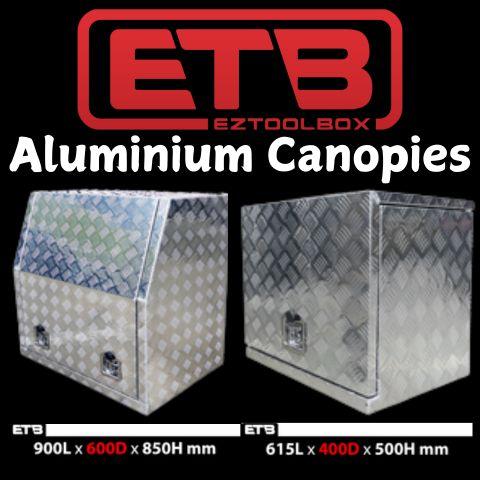
Utes are widely used by tradespeople, contractors, and outdoor adventurers because of their strength and versatility. However, to truly maximize the utility of a ute, having a secure and well-organized storage system is essential. Installing high-quality Aluminium Canopies is one of the most effective ways to improve vehicle functionality, protect equipment, and create a mobile workspace that...
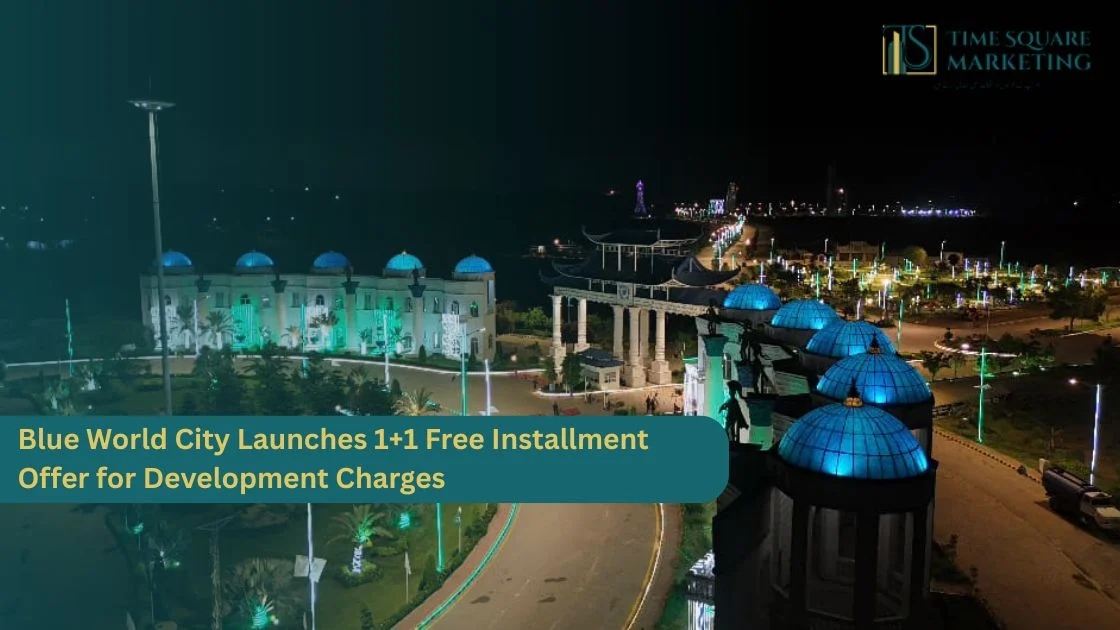
Blue World City Islamabad, one of Pakistan’s fastest-growing real estate developments, has once again captured the spotlight with its 1+1 Free Installment Offer on development charges. Known for its innovation, affordability, and investor-friendly approach, Blue World City (BWC) continues to lead the way in providing opportunities that make property ownership easier and more rewarding for...
Polaris Market Research has published a brand-new report titled Kitchen Towels Market Share, Size, Trends, Industry Analysis Report, By Product Type (Cloth-based and Paper-based); By End Use; By Distribution Channel; By Region; Segment Forecast, 2023 – 2032 that includes extensive information and analysis of the industry dynamics. The opportunities and challenges in the report's...

Hearing a buzzing sound near your home can make anyone uneasy. This guide explains how local experts handle bee problems safely, protecting both your family and the environment while ensuring the bees are relocated, not harmed. Understanding the Problem: When Bees Move In Uninvited Bees play a crucial role in pollination, but when they choose your home as their nesting site, things can get...

The Autonomous Vehicle Market is rapidly transforming the global transportation landscape as advances in artificial intelligence, sensor technologies, and connectivity reshape how vehicles are designed and operated. Autonomous vehicles, capable of navigating and driving with minimal or no human intervention, are gaining momentum across passenger transport, logistics, and public...