Oral Health: Complete Guide to Healthy Teeth, Gums, and Fresh Breath
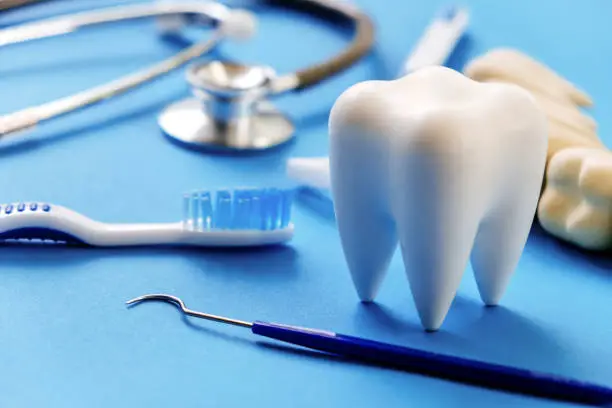
Oral health is an essential part of overall well-being, yet it is often ignored until problems like tooth pain, bad breath, bleeding gums, or sensitivity begin to appear. Your mouth is the entry point to your digestive system and plays a major role in speaking, eating, and daily confidence. Maintaining strong oral hygiene not only helps protect your teeth and gums but also supports overall body health.
Many people assume that brushing twice a day is enough, but true oral health requires a combination of proper hygiene, nutrition, lifestyle habits, and regular dental care. When oral hygiene is neglected, it can lead to cavities, gum disease, and long-term dental complications.
In this guide, we will explore everything you need to know about oral health, common problems, prevention methods, and long-term care strategies for a healthier smile.
Why Oral Health Is Important
Good oral health goes far beyond having white teeth. Your mouth reflects your overall health and can even indicate early signs of certain health conditions.
Healthy teeth and gums help you:
- Eat and chew properly
- Speak clearly
- Maintain fresh breath
- Boost confidence and appearance
- Prevent infections and pain
Poor oral hygiene, on the other hand, may lead to tooth decay, gum infections, sensitivity, and discomfort that affects daily life.
Bacteria in the mouth can also affect other parts of the body if not controlled properly, making oral care an important part of total wellness.
Common Oral Health Problems
Many people experience oral issues at some point in life. Understanding these problems helps in preventing them early.
Tooth Decay (Cavities)
Tooth decay occurs when bacteria break down food particles and produce acids that damage the enamel. Sugary foods and poor brushing habits are major contributors.
Signs include:
- Tooth pain
- Sensitivity to hot or cold foods
- Visible holes or dark spots
Gum Disease
Gum disease starts with mild inflammation (gingivitis) and may progress to more serious conditions if untreated.
Symptoms include:
- Red or swollen gums
- Bleeding while brushing
- Bad breath
- Gum recession
Bad Breath
Persistent bad breath may be caused by poor oral hygiene, food particles, bacteria buildup, or digestive issues.
Tooth Sensitivity
Sensitive teeth may cause discomfort when consuming hot, cold, or sweet foods and drinks.
Plaque and Tartar Buildup
Plaque is a sticky layer of bacteria that forms on teeth. If not removed, it hardens into tartar, which can only be removed by a dental professional.
Causes of Poor Oral Health
Several lifestyle and hygiene factors may contribute to dental problems.
Poor Brushing Habits
Not brushing properly or skipping brushing allows bacteria to grow in the mouth.
Brushing should be done at least twice a day using fluoride toothpaste.
Lack of Flossing
Flossing helps remove food particles between teeth where brushes cannot reach. Skipping flossing increases the risk of cavities and gum disease.
High Sugar Consumption
Sugary foods and drinks feed bacteria in the mouth, increasing acid production that damages enamel.
Smoking and Tobacco Use
Tobacco products increase the risk of gum disease, tooth discoloration, and bad breath.
Dry Mouth
Saliva helps wash away bacteria. A dry mouth may increase the risk of tooth decay and infection.
Daily Oral Hygiene Routine
A proper oral care routine is the foundation of healthy teeth and gums.
Brushing Properly
Brush your teeth for at least two minutes twice a day.
Use a soft-bristled toothbrush and fluoride toothpaste. Make sure to clean all surfaces of the teeth, including the back molars.
Flossing Daily
Flossing once a day helps remove food particles and plaque from between teeth.
Using Mouthwash
Mouthwash helps reduce bacteria, freshen breath, and improve oral hygiene when used properly.
Cleaning the Tongue
The tongue can harbor bacteria that cause bad breath. Using a tongue cleaner helps maintain freshness.
Foods That Support Oral Health
Nutrition plays a key role in maintaining strong teeth and gums.
Calcium-Rich Foods
Milk, cheese, and yogurt help strengthen teeth and bones.
Crunchy Fruits and Vegetables
Apples, carrots, and celery help naturally clean teeth and stimulate saliva production.
Leafy Greens
Spinach and kale provide vitamins and minerals that support gum health.
Nuts and Seeds
These provide essential nutrients that support enamel strength.
Water
Drinking water helps wash away food particles and keeps the mouth hydrated.
Habits That Harm Oral Health
Certain habits can damage teeth over time:
- Frequent snacking on sugary foods
- Brushing too hard
- Ignoring dental visits
- Grinding teeth
- Using teeth as tools (opening bottles, tearing packets)
Avoiding these habits may significantly improve long-term dental health.
Importance of Regular Dental Checkups
Even with good hygiene, regular dental visits are essential.
Dentists can:
- Detect early signs of decay or gum disease
- Clean tartar buildup
- Provide preventive care
- Offer personalized oral hygiene advice
Most experts recommend visiting a dentist at least twice a year.
Oral Health and Overall Wellness
Poor oral health is not just a dental issue—it may affect overall health as well. Research suggests that gum disease and oral infections may be linked to other health concerns in the body.
Maintaining oral hygiene supports not only your smile but also your overall well-being and confidence.
Can Supplements Support Oral Health?
Some people use nutritional supplements to support their oral hygiene routine. These products are often designed to complement brushing, flossing, and dental care rather than replace them.
Certain ingredients like probiotics, vitamins, and minerals are commonly included in oral wellness formulas to help support gum balance and freshness.
For individuals looking for additional support, ProDentim is one supplement often discussed in relation to oral health and gum balance. It is typically used alongside proper dental hygiene practices such as brushing, flossing, and regular dental visits.
As with any supplement, it is important to maintain realistic expectations and focus on daily oral care habits first.
Tips for Long-Term Oral Health
Maintaining a healthy smile requires consistency and awareness.
Stay Consistent With Hygiene
Brush and floss daily without skipping.
Reduce Sugar Intake
Limit sugary snacks and drinks to protect enamel.
Stay Hydrated
Water helps maintain saliva flow and clean the mouth.
Replace Toothbrush Regularly
Change your toothbrush every 3 months or when bristles become worn.
Avoid Smoking
Tobacco significantly increases oral health risks.
Many people also include wellness products like ProDentim as part of their routine while focusing on proper hygiene and diet to support long-term oral wellness.
Common Mistakes in Oral Care
Many people unknowingly harm their oral health by making simple mistakes:
- Brushing immediately after acidic foods
- Using hard-bristled brushes
- Skipping flossing
- Not cleaning the tongue
- Ignoring early symptoms of gum problems
Avoiding these mistakes can improve long-term dental health significantly.
Building a Strong Oral Care Routine
A simple daily routine may include:
- Brushing twice daily
- Flossing once daily
- Using mouthwash
- Cleaning the tongue
- Drinking enough water
- Eating a balanced diet
- Scheduling dental visits
Some individuals also use ProDentim as part of a broader oral care routine that includes healthy hygiene practices and regular dental checkups.
Final Thoughts
Oral health plays a major role in confidence, comfort, and overall wellness. Healthy teeth and gums are not just about appearance—they are essential for eating, speaking, and preventing long-term dental issues.
By maintaining consistent oral hygiene, eating a balanced diet, reducing sugar intake, and visiting the dentist regularly, you can significantly improve your dental health.
Good oral care is a lifelong habit. Small daily actions can lead to a healthier smile, fresher breath, and better overall well-being for years to come.
Категории
Больше
Een warme zomer kan zwaar aanvoelen in huis. Zweet loopt langs je rug en slapen lukt bijna niet. Veel mensen denken dan meteen aan een Airco. Dat is logisch want koele lucht geeft rust in je hoofd. Toch moet je niet zomaar iets kopen zonder plan. Je huis vraagt om een toestel dat echt past bij de ruimte. Je moet eerst kijken naar de grootte van de kamer. Een klein toestel in een grote kamer...

Green Building Insulation Market: Advancing Sustainability in the Insulation Market The construction industry is undergoing a significant transformation as sustainability becomes a core priority worldwide. One of the most critical components supporting this shift is the green building insulation market, which focuses on eco-friendly insulation solutions designed to improve energy...

This has created a growing demand for professionals who can design seamless digital experiences. If you're aiming to build a career in design, understanding the core skills required is essential. Many beginners explore structured learning paths like a UI UX Design Course in Kolkata to gain practical exposure and industry-relevant knowledge. However, beyond tools and certifications, mastering...
High-traffic areas can be challenging to manage. Whether it’s a busy office building, retail store, or public space, a constant flow of people increases the chances of confusion, delays, and even security risks. This is where professional security guard services play an important role—not just in protection, but in maintaining order and structure. Managing Entry and Exit Points In...

The global Polyoxymethylene Market is witnessing consistent growth, supported by increasing demand for high-performance engineering plastics across multiple industries. According to recent market analysis, the polyoxymethylene market size was valued at USD 4.20 billion in 2025 and is expected to reach USD 6.20 billion by 2033, growing at a CAGR of 4.99% during the forecast period from...