Oral Health: A Complete Guide to Strong Teeth, Healthy Gums, and Fresh Breath
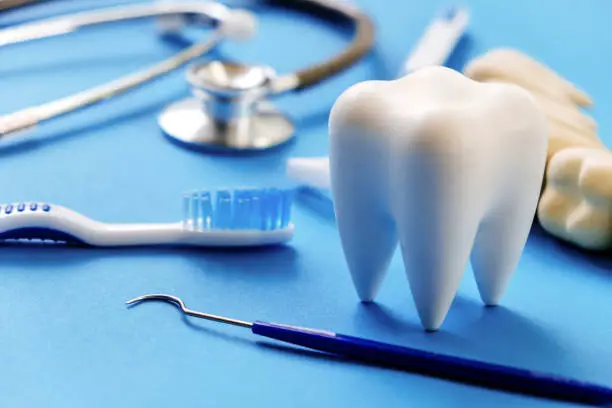
Oral health is a key part of overall wellness, but it is often overlooked until problems like toothache, gum bleeding, bad breath, or sensitivity start affecting daily life. Your mouth is not only responsible for chewing and speaking—it is also closely connected to your general health. Poor oral hygiene can affect confidence, comfort, and even long-term well-being.
A healthy mouth requires more than just brushing. It involves proper cleaning habits, balanced nutrition, lifestyle choices, and regular dental checkups. When oral care is ignored, it may lead to cavities, gum disease, infections, and long-term discomfort.
This guide explains how oral health works, what causes common dental problems, and how you can protect your teeth and gums for life.
Why Oral Health Is So Important
Good oral hygiene is about more than just a bright smile. Healthy teeth and gums support daily functions like eating, speaking, and enjoying food without pain.
Strong oral health helps:
- Prevent tooth decay and gum disease
- Maintain fresh breath
- Improve chewing and digestion
- Boost confidence in social situations
- Support overall body health
When oral hygiene is poor, bacteria in the mouth can multiply and cause infections that may affect more than just your teeth.
Common Oral Health Problems
Many people experience dental issues at some point in life. Understanding these problems helps in preventing them early.
Tooth Decay
Tooth decay happens when bacteria in the mouth break down sugars and produce acids that damage tooth enamel.
Common signs include:
- Tooth pain or discomfort
- Sensitivity to cold or hot foods
- Visible dark spots or holes
Gum Disease
Gum disease starts with inflammation and may progress if untreated.
Symptoms include:
- Swollen or red gums
- Bleeding while brushing or flossing
- Bad breath
- Gum recession
Bad Breath
Bad breath may result from poor hygiene, bacteria buildup, or food particles stuck in the mouth.
Tooth Sensitivity
Some people feel pain when eating hot, cold, or sweet foods due to worn enamel or gum issues.
Plaque and Tartar
Plaque is a sticky layer of bacteria. If not cleaned properly, it hardens into tartar that requires professional cleaning.
What Causes Poor Oral Health?
Several habits and lifestyle factors may negatively affect dental health.
Poor Brushing Habits
Not brushing properly or skipping brushing allows bacteria to grow.
Brushing twice daily is essential for oral hygiene.
Lack of Flossing
Flossing removes food particles between teeth that brushing cannot reach.
High Sugar Intake
Sugar feeds bacteria in the mouth, increasing the risk of cavities.
Smoking and Tobacco Use
Tobacco can stain teeth, damage gums, and increase the risk of infection.
Dry Mouth
A lack of saliva reduces natural cleaning in the mouth and increases bacterial growth.
Daily Oral Care Routine for Healthy Teeth
A simple and consistent routine is the foundation of good oral health.
Brushing Properly
Brush your teeth for two minutes at least twice a day using fluoride toothpaste and a soft-bristled brush.
Flossing Every Day
Flossing helps remove debris and plaque between teeth.
Using Mouthwash
Mouthwash helps reduce bacteria and supports fresher breath.
Cleaning Your Tongue
The tongue can hold bacteria that cause bad breath, so cleaning it is important.
Foods That Support Oral Health
Nutrition plays a major role in maintaining strong teeth and gums.
Calcium-Rich Foods
Milk, yogurt, and cheese help strengthen teeth.
Fruits and Vegetables
Apples, carrots, and celery help clean teeth naturally and increase saliva flow.
Leafy Greens
Spinach and kale provide important vitamins for gum health.
Nuts and Seeds
These provide minerals that support enamel strength.
Water
Water helps wash away food particles and keeps the mouth hydrated.
Habits That Harm Oral Health
Some everyday habits can damage teeth over time:
- Frequent sugary snacks
- Skipping dental visits
- Brushing too hard
- Grinding teeth
- Using teeth as tools
Avoiding these habits can greatly improve long-term dental health.
Importance of Regular Dental Visits
Even with good home care, professional dental checkups are essential.
Dentists can:
- Detect early signs of cavities and gum disease
- Remove tartar buildup
- Provide preventive treatments
- Guide better oral hygiene practices
Most people should visit a dentist at least twice a year.
Oral Health and Overall Wellness
Oral health is closely connected to overall health. Poor dental hygiene may increase the risk of infections and inflammation in the body.
A healthy mouth supports better confidence, comfort, and general well-being.
Can Supplements Support Oral Health?
Some people use nutritional supplements to support their oral care routine. These products are designed to complement brushing, flossing, and dental visits—not replace them.
Certain supplements include probiotics, vitamins, and minerals that may help support gum balance and freshness.
For additional support, ProDentim is often mentioned as a supplement related to oral wellness. It is generally used alongside proper dental hygiene habits such as brushing, flossing, and regular dental checkups.
However, daily oral care remains the most important factor for maintaining healthy teeth and gums.
Tips for Long-Term Oral Health
Good oral health requires consistency and discipline.
Maintain Daily Hygiene
Brush, floss, and clean your tongue every day.
Reduce Sugar Intake
Limit sweets and sugary drinks to protect enamel.
Stay Hydrated
Water helps maintain saliva flow and oral cleanliness.
Replace Your Toothbrush Regularly
Change your toothbrush every 2–3 months.
Avoid Smoking
Smoking can seriously damage gums and teeth.
Some people also include ProDentim in their routine along with healthy habits to support long-term oral wellness.
Common Mistakes to Avoid
Many people unknowingly harm their teeth by making simple mistakes:
- Not flossing regularly
- Brushing too quickly or incorrectly
- Ignoring early symptoms
- Skipping dental visits
- Overusing sugary foods and drinks
Avoiding these mistakes can significantly improve oral health over time.
Building a Strong Oral Care Routine
A good daily routine may include:
- Brushing twice daily
- Flossing once daily
- Cleaning the tongue
- Using mouthwash
- Drinking enough water
- Eating balanced meals
- Visiting the dentist regularly
Some individuals also choose to use ProDentim as part of a broader oral wellness routine combined with proper hygiene and diet.
Final Thoughts
Oral health is an essential part of overall well-being. Healthy teeth and gums improve confidence, comfort, and daily quality of life. While dental problems are common, most can be prevented with simple and consistent care.
By maintaining good hygiene, eating healthy foods, avoiding harmful habits, and visiting the dentist regularly, you can protect your smile for years to come.
Strong oral health is built through daily habits—not quick fixes. With the right routine and awareness, you can enjoy healthier teeth, fresher breath, and better overall wellness.
Κατηγορίες
Διαβάζω περισσότερα
Welcome to a Taste of the South When you walk into Sam’s Southern Eatery, you’re not just stepping into a restaurant — you’re stepping into a piece of the South. Led by the passionate and visionary Emanuel Ashiedu, this beloved eatery has become a household name across Hutchinson, Wichita, and Salina, known for its generous portions, authentic flavor, and warm...

Virtual Bridgerton Celebration You don’t need a carriage to join Bridgerton’s first seasonal celebration — just your favorite armchair and an internet connection. On February 14, the cast and creative team will gather online to mark the lead-up to Bridgerton Season 3, timed for the show’s favorite holiday, Valentine’s Day. Season 3 will spotlight Penelope...

Bet365 is one of the largest and most established online betting platforms in the world. Founded in 2000 by Denise Coates, the company offers a wide range of services including sports betting, online casino games, poker, and bingo. The platform is best known for its powerful sportsbook. Bet365 covers more than 30 sports, from global favorites like football and basketball to niche options such...

" According to the latest report published by Data Bridge Market Research, the Textile Coating Market Global textile coating market size was valued at USD 3.76 billion in 2024 and is projected to reach USD 4.91 billion by 2032, with a CAGR of 3.40% during the forecast period of 2025 to 2032. The large scale Textile Coating Marketing report studies and evaluates market drivers, market...

Corn plays a critical role in the global agricultural economy, serving as a key ingredient in food, feed, and fuel. Although the United States is one of the world’s largest producers and exporters of corn, it also imports corn to meet specific market requirements. These include specialty varieties, organic corn, and region-specific demand. Understanding how corn importers and corn buyers...