Psych Ward vs Mental Hospital: The Complete Comparison Guide

Mental health has become one of the most important topics in modern healthcare. As awareness continues to grow, many people search for information about psychiatric care facilities and treatment environments. One of the most commonly searched topics is “psych ward vs mental hospital.” Although these terms are often used interchangeably, they can represent different aspects of mental health treatment and care. At medicallyinfo, we believe that understanding these terms can help reduce confusion and remove the stigma surrounding mental health support.
When individuals or families face mental health challenges, they may hear doctors, therapists, or healthcare professionals mention psychiatric wards or mental hospitals. Without proper knowledge, these terms can sound frightening or outdated. However, modern mental healthcare has evolved significantly, offering compassionate, structured, and professional treatment options designed to help patients recover and improve their quality of life.
This article from medicallyinfo explores the differences, similarities, purposes, and treatment approaches related to “psych ward vs mental hospital” while helping readers gain a clearer understanding of how mental healthcare systems work today.
What Is a Psych Ward?
A psych ward, also known as a psychiatric ward, is a specialized unit within a hospital that focuses on mental health treatment. These wards are designed to care for individuals experiencing severe emotional distress, psychiatric crises, or mental health emergencies. Patients admitted to psych wards often require short-term stabilization and close medical supervision.
A psych ward is typically part of a larger general hospital. This means patients can receive both psychiatric and physical healthcare in one location. Modern psychiatric wards are structured environments where trained mental health professionals provide treatment, observation, therapy, and medication management.
People may be admitted to a psych ward for various reasons, including severe depression, suicidal thoughts, anxiety disorders, psychosis, schizophrenia, bipolar disorder, or substance-related mental health conditions. The goal is to stabilize the patient and create a safe environment where recovery can begin.
When discussing “psych ward vs mental hospital,” it is important to understand that a psych ward generally refers to one department or section inside a hospital rather than an entire institution dedicated solely to psychiatric care.
What Is a Mental Hospital?
A mental hospital is a healthcare institution that specializes entirely in psychiatric and mental health treatment. Unlike a psych ward, which is usually part of a larger hospital, a mental hospital focuses specifically on diagnosing, treating, and rehabilitating individuals with mental health disorders.
Mental hospitals can provide both short-term and long-term treatment depending on the needs of the patient. Some patients stay for only a few days or weeks, while others may require extended residential care. These facilities often have psychiatrists, psychologists, nurses, therapists, social workers, and rehabilitation specialists working together to create personalized treatment plans.
Historically, mental hospitals carried a negative reputation due to outdated treatment methods and poor conditions in the past. However, modern mental hospitals have transformed significantly. Today, many psychiatric institutions emphasize patient dignity, evidence-based therapy, recovery-focused treatment, and emotional support.
In the debate surrounding “psych ward vs mental hospital,” a mental hospital is usually larger, more specialized, and designed to handle broader psychiatric care services than a psych ward.
The Main Difference Between Psych Ward and Mental Hospital
The primary distinction in “psych ward vs mental hospital” lies in the scope and structure of care. A psych ward is generally a smaller unit inside a general hospital that handles acute psychiatric emergencies and short-term treatment. A mental hospital, on the other hand, is a dedicated psychiatric institution offering more comprehensive mental health services.
Psych wards often focus on immediate stabilization. Patients who are experiencing crises such as suicidal ideation, panic attacks, severe mood swings, or hallucinations may stay there temporarily until they are safe and stable. After discharge, patients may continue outpatient therapy or transfer to another treatment center if necessary.
Mental hospitals are more comprehensive facilities. They may provide long-term rehabilitation, inpatient therapy, specialized psychiatric programs, addiction treatment, and ongoing support for chronic mental illnesses. Some mental hospitals also include research departments and educational programs for mental health professionals.
At medicallyinfo, we emphasize that understanding the distinction between “psych ward vs mental hospital” can help families choose the right level of care based on the patient’s condition and treatment needs.
Treatment Approaches in Psych Wards and Mental Hospitals
Both psych wards and mental hospitals aim to improve mental health, but the treatment style and duration may vary. In psych wards, treatment usually focuses on crisis intervention and stabilization. Doctors may prescribe medications, monitor symptoms, and provide emergency psychiatric care. Patients are carefully supervised to ensure their safety and wellbeing.
Mental hospitals typically provide broader treatment options. These may include psychotherapy, cognitive behavioral therapy, occupational therapy, group counseling, family therapy, and rehabilitation programs. Patients often participate in structured daily routines designed to encourage emotional healing and social development.
The discussion of “psych ward vs mental hospital” also involves the intensity and continuity of care. Psych wards generally manage urgent situations, while mental hospitals focus on deeper therapeutic recovery and long-term mental wellness.
The Environment and Atmosphere
One factor people often consider in “psych ward vs mental hospital” is the environment. Psych wards tend to have a more clinical atmosphere because they are located within general hospitals. The setting is designed for safety, quick assessment, and stabilization.
Mental hospitals may offer a more residential or therapeutic environment, especially for long-term patients. Some modern facilities include recreational spaces, therapy rooms, outdoor areas, educational programs, and rehabilitation services. The purpose is to create a supportive setting that encourages healing and recovery.
Despite common misconceptions, many psychiatric facilities today prioritize compassion and patient-centered care. Healthcare providers understand the importance of emotional comfort, respect, and human dignity during mental health treatment.
Misconceptions About Psychiatric Facilities
One major reason people search for “psych ward vs mental hospital” is due to fear or misunderstanding about psychiatric treatment. Movies and media often portray psychiatric facilities negatively, leading to stigma and anxiety. In reality, modern mental health institutions operate under strict medical guidelines and ethical standards.
Patients are not treated as dangerous individuals. Instead, they are people experiencing health challenges that require professional care and support. Mental illness is a medical condition just like heart disease or diabetes, and psychiatric facilities exist to provide treatment, safety, and recovery opportunities.
At medicallyinfo, we encourage open conversations about mental health because education can reduce stigma and help people seek care without shame or fear.
When Someone May Need Psychiatric Care
Understanding “psych ward vs mental hospital” also requires recognizing when psychiatric treatment may be necessary. Individuals experiencing severe emotional distress, suicidal thoughts, hallucinations, uncontrollable anxiety, or inability to function in daily life may require immediate professional intervention.
Sometimes family members notice dramatic behavioral changes, social withdrawal, aggression, confusion, or self-harm risks. Seeking medical help early can prevent worsening symptoms and improve recovery outcomes.
Psychiatric care is not a punishment. It is a healthcare service designed to stabilize and support individuals facing mental health crises. Whether treatment occurs in a psych ward or mental hospital depends on the severity, duration, and nature of the condition.
The Importance of Mental Health Awareness
The conversation around “psych ward vs mental hospital” reflects the growing public interest in mental health education. More people today understand that emotional wellbeing is just as important as physical health. As awareness increases, healthcare systems continue improving psychiatric treatment methods and patient support programs.
Mental health challenges can affect anyone regardless of age, gender, or background. Anxiety, depression, bipolar disorder, trauma, and other psychiatric conditions are common worldwide. Access to professional treatment can help individuals regain stability, confidence, and quality of life.
At medicallyinfo, we believe that accurate information empowers people to make informed decisions about mental healthcare and treatment options.
Final Thoughts on Psych Ward vs Mental Hospital
The topic of “psych ward vs mental hospital” is often misunderstood, but the key difference lies in the type and scope of care provided. A psych ward is generally a short-term psychiatric unit inside a hospital focused on emergency stabilization, while a mental hospital is a specialized institution dedicated to comprehensive psychiatric treatment and long-term recovery.
Both facilities play essential roles in modern mental healthcare systems. They provide safety, medical support, therapy, and rehabilitation for individuals facing mental health challenges. Rather than fearing psychiatric treatment, society should continue promoting awareness, compassion, and understanding.
As medicallyinfo continues sharing educational healthcare content, it is important to remember that mental health treatment is a sign of strength, not weakness. Seeking professional help can be the first step toward healing, stability, and a healthier future.
Catégories
Lire la suite
The ASEAN rehabilitation robots market is gaining significant momentum due to the growing demand for advanced rehabilitation therapies and increasing adoption of robotic technologies in healthcare facilities. Rehabilitation robots are designed to assist patients recovering from neurological disorders, strokes, spinal cord injuries, and physical disabilities by improving mobility and restoring...

The global pastry premixes market is witnessing steady expansion, driven by the rising demand for convenient baking solutions across households, bakeries, and the foodservice industry. Pastry premixes are pre-formulated blends of essential baking ingredients such as flour, sugar, emulsifiers, and leavening agents, designed to simplify pastry preparation while ensuring consistent...
The Flexible Display Market is rapidly transforming the global electronics industry, driven by increasing demand for innovative, lightweight, and bendable display technologies. Flexible displays, which can be folded, rolled, or curved without compromising performance, are becoming a core component in next-generation devices such as smartphones, wearables, and automotive dashboards....
The Graphite Price Trend, Graphite Prices, Graphite Price Forecast are becoming increasingly important as industries around the world continue to focus on technology, clean energy, and advanced manufacturing. Graphite is a naturally occurring form of carbon that is widely used in batteries, industrial equipment, lubricants, and steel production. Even though many people may only know graphite as...

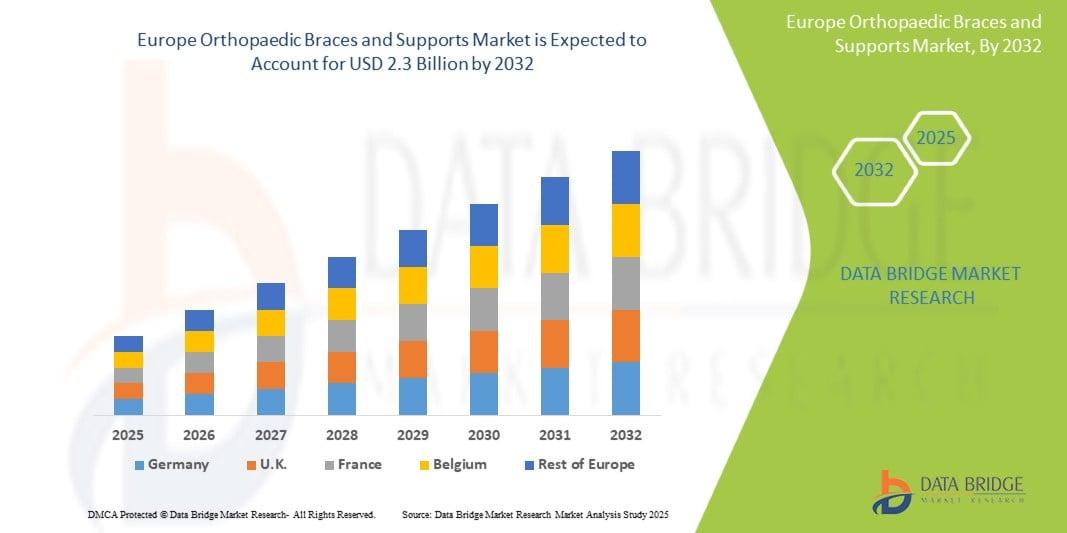
"Europe Orthopaedic Braces and Supports Market Summary: According to the latest report published by Data Bridge Market Research, the Europe Orthopaedic Braces and Supports Market The Europe Orthopaedic Braces and Supports Market was valued at USD 1.5 Billion in 2024 and is expected to reach USD 2.3 Billion by 2032, at a at a CAGR of...